

The Hidden Reasons Behind Hair Loss and How to Know the Right Time to Seek Help

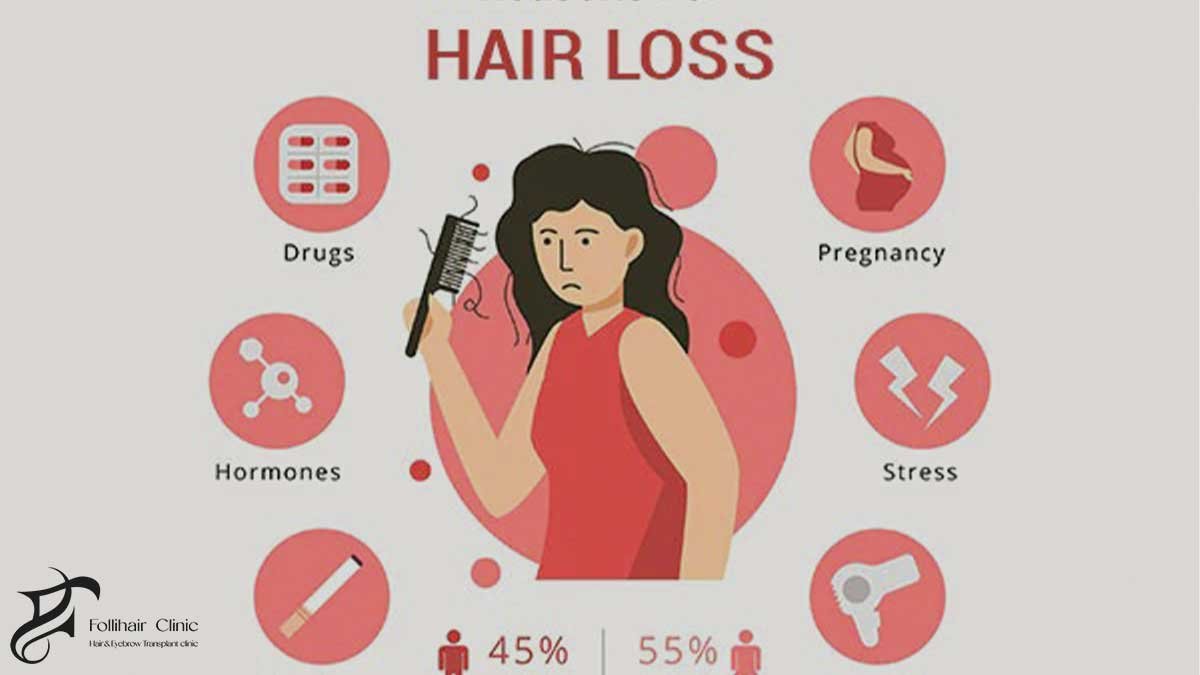
Hair loss is one of the most emotionally challenging yet widely misunderstood issues people face. While everyone sheds some hair daily, true thinning or noticeable shedding comes from deeper processes that cannot be ignored. Understanding the major hair loss factors influencing your hair’s growth cycle is essential for determining when it’s time to take action. Many people wait until the problem becomes severe, only to realize that early intervention could have prevented long-term damage. In a world filled with stress, hormonal shifts, dietary imbalances and unpredictable health challenges, hair loss can be the first visible signal that something deeper requires attention.
Recognizing the early signs not only helps maintain confidence but can also prevent permanent follicle shrinkage. Most individuals assume that thinning is temporary, caused by seasonal changes or stress, but this optimistic approach delays necessary care. When people fail to identify the specific hair loss factors affecting their scalp, the damage often progresses silently. What begins as mild shedding can quickly transform into visible thinning across the crown, a widening part, or receding hairlines. These changes are not random—they’re driven by biological, genetic, and environmental influences that work together behind the scenes.
Understanding the Biological Triggers Behind Hair Thinning
Human hair grows in cycles, and any disruption in these cycles may lead to thinning. The most common biological hair loss factors include hormonal fluctuations, metabolic changes, and internal health issues. Hormones play a dominant role in hair growth. Even slight hormonal fluctuations triggered by thyroid disorders, pregnancy, menopause, or stress can push hair into the shedding phase prematurely. These hormonal shifts often remain unnoticed until hair density begins to decrease, prompting individuals to question what went wrong.
Another significant factor is nutrient imbalance. Hair follicles require vitamins, minerals, and protein to grow strong, and inadequate nutrition disrupts their function. Deficiencies in iron, vitamin D, biotin, or essential fatty acids are among the common culprits. When nutrients drop below optimal levels, the hair responds quickly because the body prioritizes critical organs over cosmetic features like hair. This means poor dietary choices or restrictive dieting can quickly harm hair quality.
Beyond hormones and nutrients, internal health problems also contribute to hair thinning. Autoimmune disorders, chronic inflammation, and metabolic conditions such as diabetes can affect hair growth cycles. To understand and address these hair loss factors effectively, individuals must view their hair as a reflection of their overall health.
Genetic Influences: When Your DNA Determines the Pattern
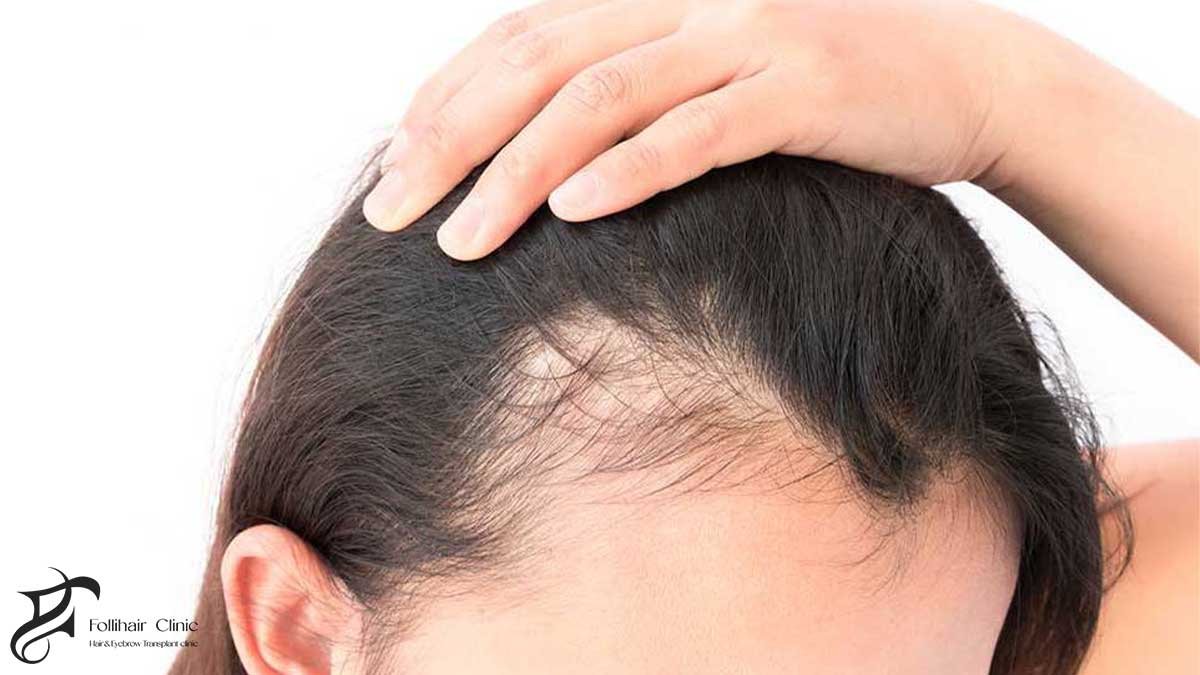
Some people experience hair thinning earlier than others due to genetic predisposition. Androgenetic alopecia is the most common form of hereditary hair loss and is responsible for millions of cases worldwide. It typically begins with subtle changes: a receding hairline in men, a widening part in women, or reduced density near the crown. These changes are driven by inherited sensitivity to hormones that shrink follicles over time.
Genetic hair thinning tends to progress slowly. Many individuals fail to act early, believing that new hair products or temporary lifestyle changes can fix the problem. But because genetics are among the strongest hair loss factors, the best approach involves consistent monitoring and early intervention. Those with a family history of baldness should be especially cautious and seek professional evaluation as soon as early symptoms appear.
Hormonal Imbalances and Their Hidden Effects on Hair
Hormones shape the body’s internal environment and directly affect follicle behavior. When hormonal fluctuations occur, hair growth cycles may become unstable. Elevated stress hormones, imbalanced thyroid levels, or reproductive hormone changes can all disrupt growth phases, leading to visible thinning.
Women often face these challenges during postpartum periods, menopause, or conditions like polycystic ovary syndrome. Men experience hormone-driven thinning largely due to DHT sensitivity, a major contributor to follicle miniaturization. Because hormonal hair loss factors are complex and deeply interconnected with overall health, medical evaluation is crucial for accurate diagnosis.
Stress, Lifestyle, and Everyday Habits That Damage Hair
Stress remains one of the most underestimated hair loss factors. High stress levels trigger telogen effluvium, a condition in which large numbers of hairs prematurely enter the shedding phase. Emotional stress, physical trauma, illness, and even major life transitions can lead to sudden, heavy shedding.
Lifestyle habits also contribute heavily to hair loss. Excessive heat styling, chemical treatments, tight hairstyles, and poor sleep habits gradually weaken hair shafts and follicles. Environmental factors such as pollution and UV exposure further compound damage. Although these issues alone may not be the sole cause of thinning, they amplify existing vulnerabilities created by hormonal, genetic, or nutritional imbalances.
Practicing mindful care, adopting healthier habits, and reducing mechanical stress can slow or reverse early signs of thinning. However, if shedding persists beyond a few months, deeper hair loss factors are likely involved.
Medical Conditions That Often Remain Undetected
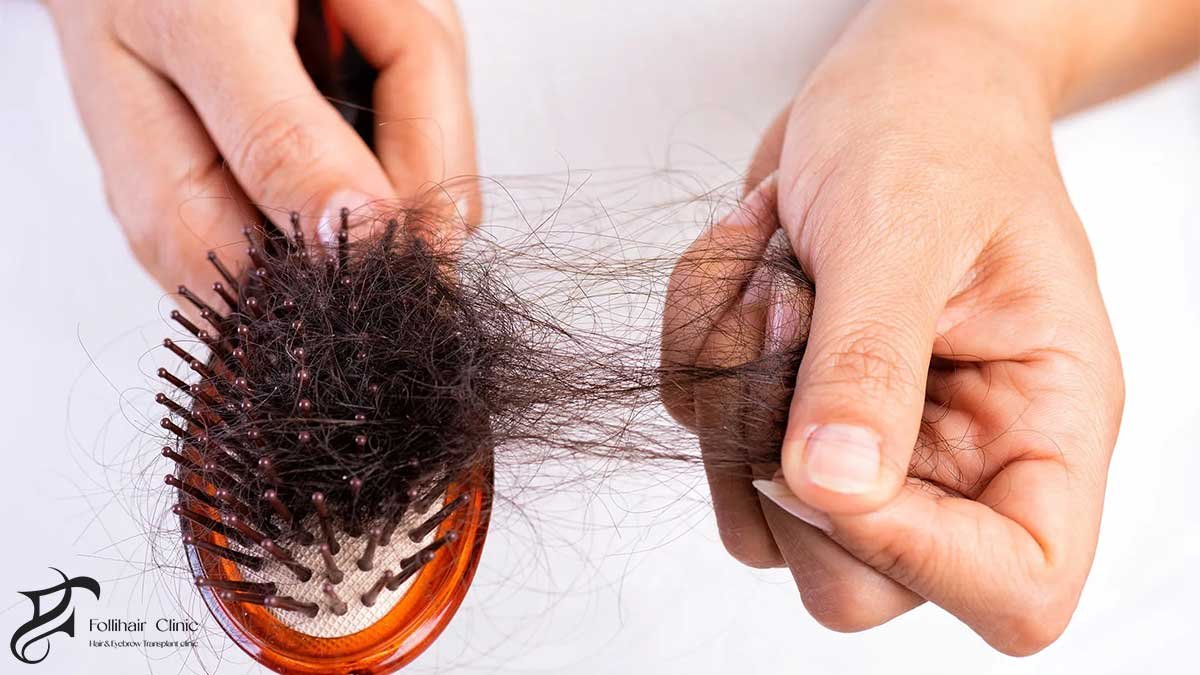
Medical conditions often manifest first through hair thinning. Autoimmune disorders like alopecia areata can suddenly halt follicle activity, creating circular bald patches. Chronic illnesses such as lupus or diabetes also compromise blood flow and nutrient delivery to the scalp.
Additionally, scalp infections, chronic inflammation, or dermatological issues can disrupt hair growth cycles. While these conditions may not appear directly related to the hair, they often play a silent but significant role.
This is why early evaluation from a specialist is essential. Proper diagnosis helps distinguish temporary shedding from permanent follicle damage caused by ongoing medical issues.
When Should You Seriously Consider Seeking Professional Help?
Many people delay seeking help because they hope the shedding will stop on its own. However, if thinning persists for more than three months, or if bald spots appear suddenly, the issue should be taken seriously. Visible scalp, loss of density, and pattern-like thinning are major indicators that professional evaluation is necessary.
You should seek help immediately if:
- Your part line is widening
- Your hairline is receding
- You experience unexplained shedding
- You notice patchy bald spots
- Your scalp feels irritated, inflamed, or tender
- You have a family history of baldness
These symptoms point to underlying hair loss factors that should be identified before they progress.
What Solutions Are Available for Managing Hair Loss?
Modern medicine offers numerous solutions depending on the severity and type of thinning. Mild cases may respond well to lifestyle adjustments, nutritional support, and stress reduction. However, individuals with more advanced thinning often explore professional Hair Loss Treatments designed to restore density and health.
In cases where thinning becomes severe or permanent, some individuals consider undergoing a Hair Transplant as a long-term solution. When performed by skilled specialists, the results can be natural, permanent, and confidence-boosting.
The key to choosing the right solution is understanding the underlying hair loss factors and developing a personalized treatment plan based on your scalp condition, growth patterns, and long-term goals.
Final Thoughts
Hair loss is not merely a cosmetic issue—it is often a reflection of the body’s internal health. By recognizing the signs early and understanding the primary hair loss factors behind thinning, individuals can take proactive steps to protect their hair’s future. Whether it’s hormonal imbalance, nutritional deficiency, genetics, stress, or medical issues, identifying the root cause is the first step toward transformation.
For those seeking professional evaluation, expert guidance, and tailored solutions, follihairclinic provides personalized care designed to support long-term hair restoration and confidence.