

Common Patient Mistakes During the First 30 Days After Hair Transplant Surgery

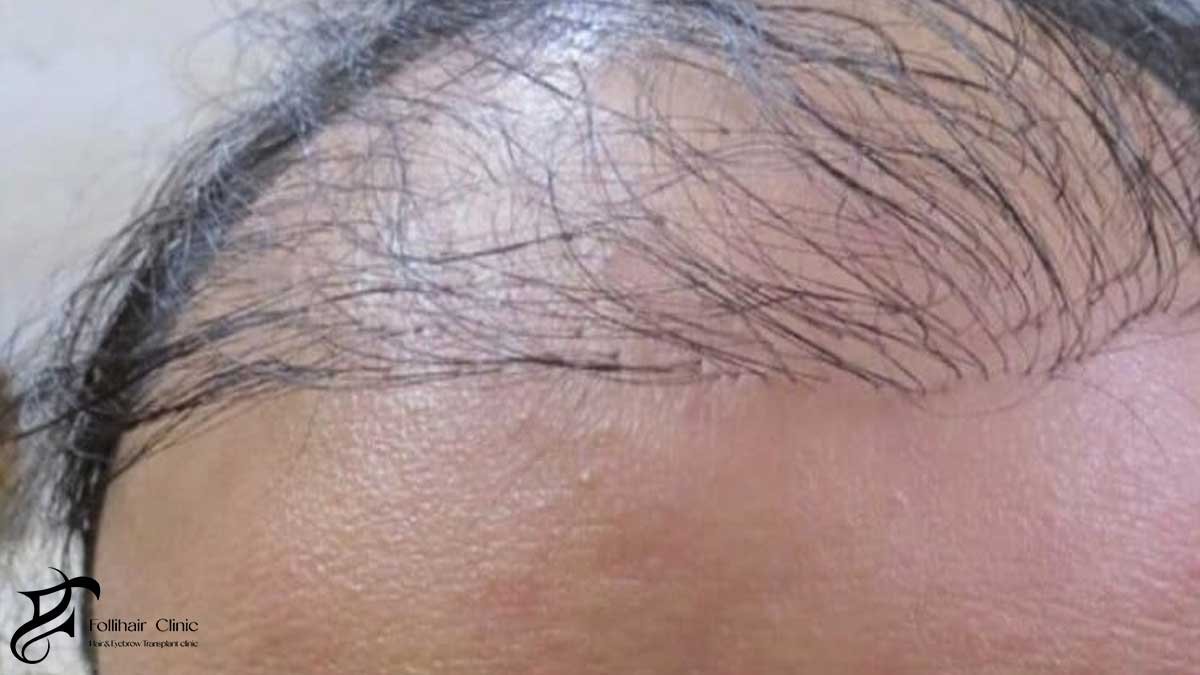
The first month following a hair restoration procedure is widely regarded as one of the most sensitive phases of the entire treatment journey. During this period, the scalp undergoes active healing, newly implanted follicles establish blood supply, and the foundation for future hair growth is formed. While surgical expertise is essential, patient behavior after the procedure plays a decisive role in shaping outcomes. Many individuals unintentionally engage in behaviors that compromise healing, often due to misinformation or unrealistic expectations. Understanding Post Hair Transplant Mistakes during the first 30 days allows patients to better protect their results and support natural recovery.
Why the First 30 Days Require Special Attention
In the early post-procedure phase, transplanted follicles are not yet fully anchored in the scalp. The surrounding tissue is inflamed, microscopic wounds are closing, and new vascular connections are developing. Any unnecessary physical stress, chemical exposure, or disruption to the scalp can interfere with this process.
Medical guidance during early recovery after hair transplant emphasizes caution, patience, and adherence to post-operative instructions. The goal is not to accelerate results, but to create optimal biological conditions for healing. Many Post Hair Transplant Mistakes occur when patients assume that feeling physically comfortable means the scalp has fully recovered.
Improper Scalp Cleansing and Hygiene Habits
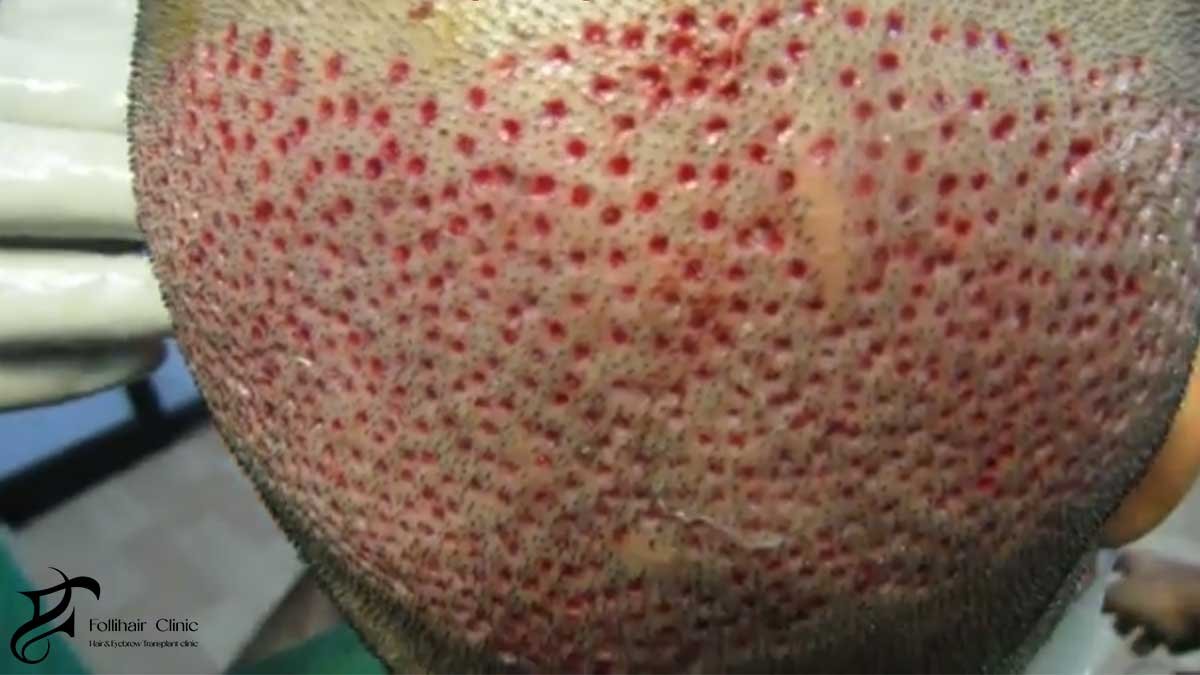
One of the most common issues seen in the first few weeks is incorrect washing technique. Some patients avoid washing entirely out of fear of damaging grafts, while others scrub the scalp aggressively in an attempt to keep it clean.
Both approaches can be problematic. Avoiding cleansing allows oil, sweat, and bacteria to accumulate, increasing the risk of irritation or infection. On the other hand, excessive pressure, hot water, or harsh products can disrupt fragile grafts. During early recovery after hair transplant, cleansing should be gentle, methodical, and aligned with professional advice.
Touching, Scratching, or Picking at Healing Areas
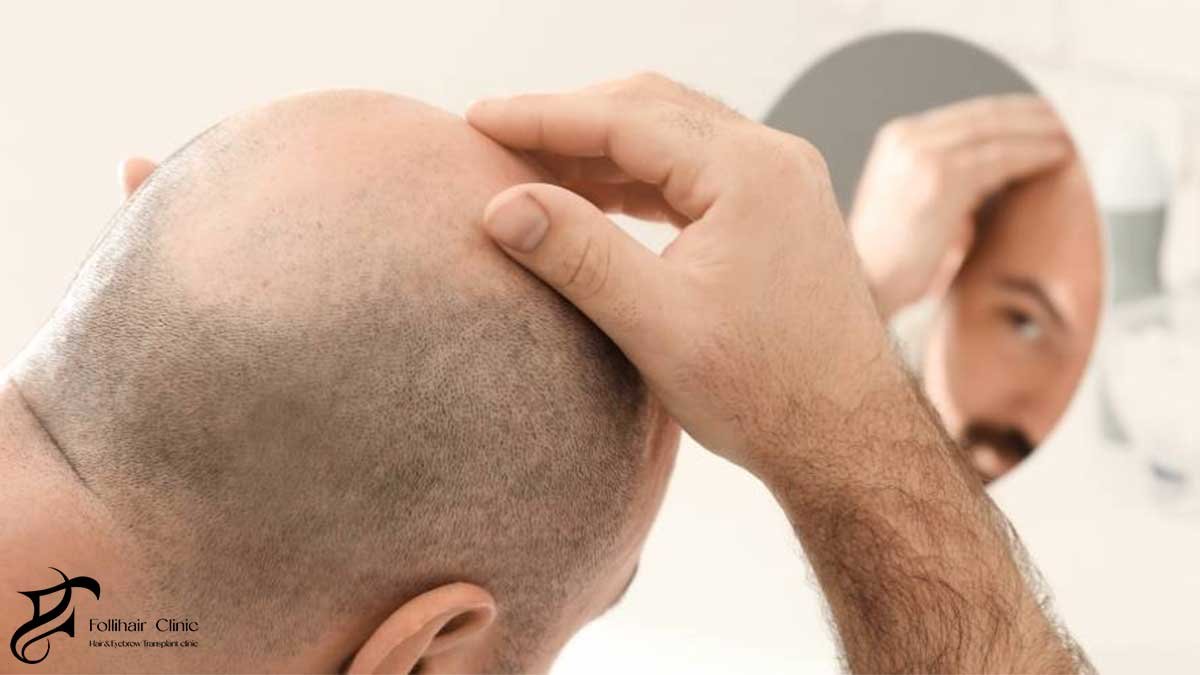
Itching, tightness, and mild discomfort are common sensations as the scalp heals. However, touching or scratching the treated area introduces mechanical stress and bacteria. Scab removal before natural shedding can result in follicle displacement or scarring.
Among all Post Hair Transplant Mistakes, manual interference with the scalp is one of the most preventable. Even light pressure applied repeatedly can negatively affect graft stability, particularly in the first two weeks.
read more: Eyebrow Transplant Cost in Australia
Incorrect Sleeping Positions and Nighttime Habits
Sleep plays a critical role in tissue repair, yet many patients overlook how sleeping posture affects healing. Lying flat too soon or turning onto the grafted area increases pressure and may worsen swelling.
Medical recommendations typically encourage an elevated sleeping position to reduce fluid accumulation in the forehead and scalp. During early recovery after hair transplant, consistent sleep positioning supports circulation and minimizes unnecessary trauma to the treated area.
Early Exposure to Sun and Environmental Stressors
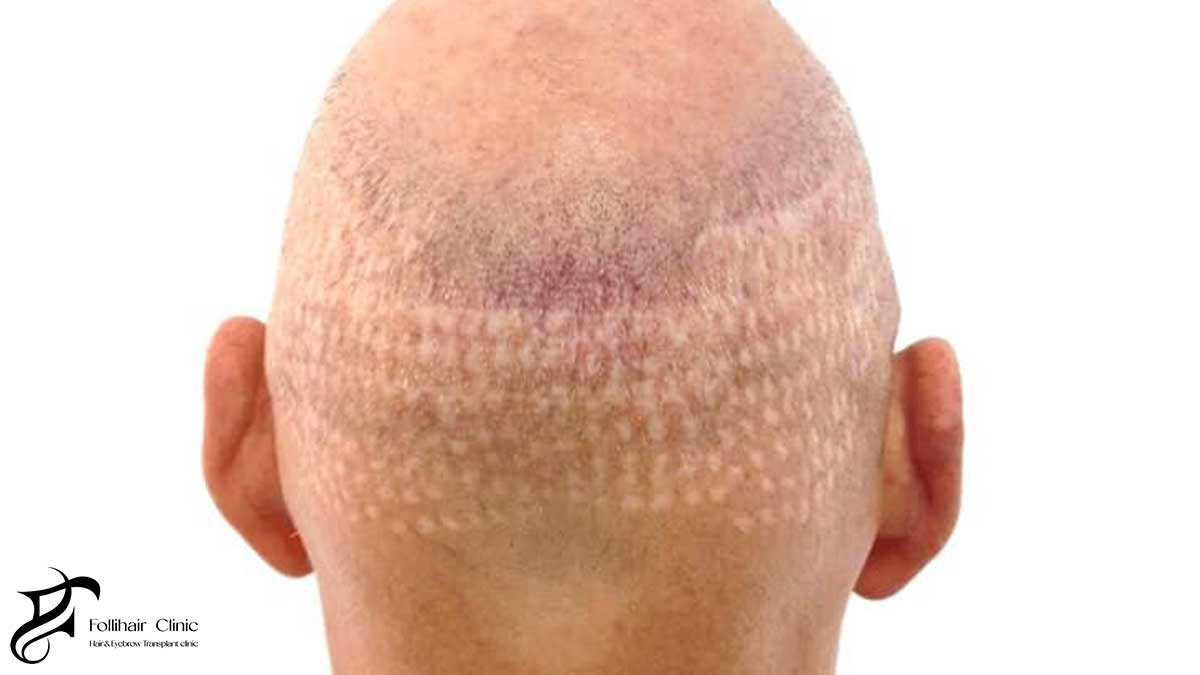
Direct sunlight, excessive heat, dust, and pollution can irritate healing skin. Ultraviolet exposure may intensify inflammation and slow tissue repair, especially when the scalp is still sensitive.
Patients who resume outdoor activities prematurely often underestimate environmental impact. This is particularly relevant for individuals who have previously explored other Hair Loss Treatments and assume similar recovery patterns apply. Each procedure has unique aftercare requirements that should be respected.
Returning to Exercise and Physical Activity Too Quickly
Although light movement may be permitted, intense physical activity increases blood pressure, sweating, and friction—all of which can interfere with healing. Weightlifting, running, swimming, and contact sports introduce risks that are not immediately visible but can affect graft survival.
Many Post Hair Transplant Mistakes stem from impatience. Feeling energetic does not necessarily mean the scalp is biologically ready for strain. Gradual reintroduction of activity is essential.
Self-Medication and Unapproved Product Use
Another frequent issue involves using products or supplements without professional guidance. Some patients stop prescribed medications early, while others experiment with oils, serums, or oral supplements recommended online.
These substances may alter inflammation, blood flow, or immune response. During early recovery after hair transplant, consistency and medical oversight are more beneficial than experimentation.
read more: Eyebrow Transplant Preparation
Smoking and Alcohol Consumption
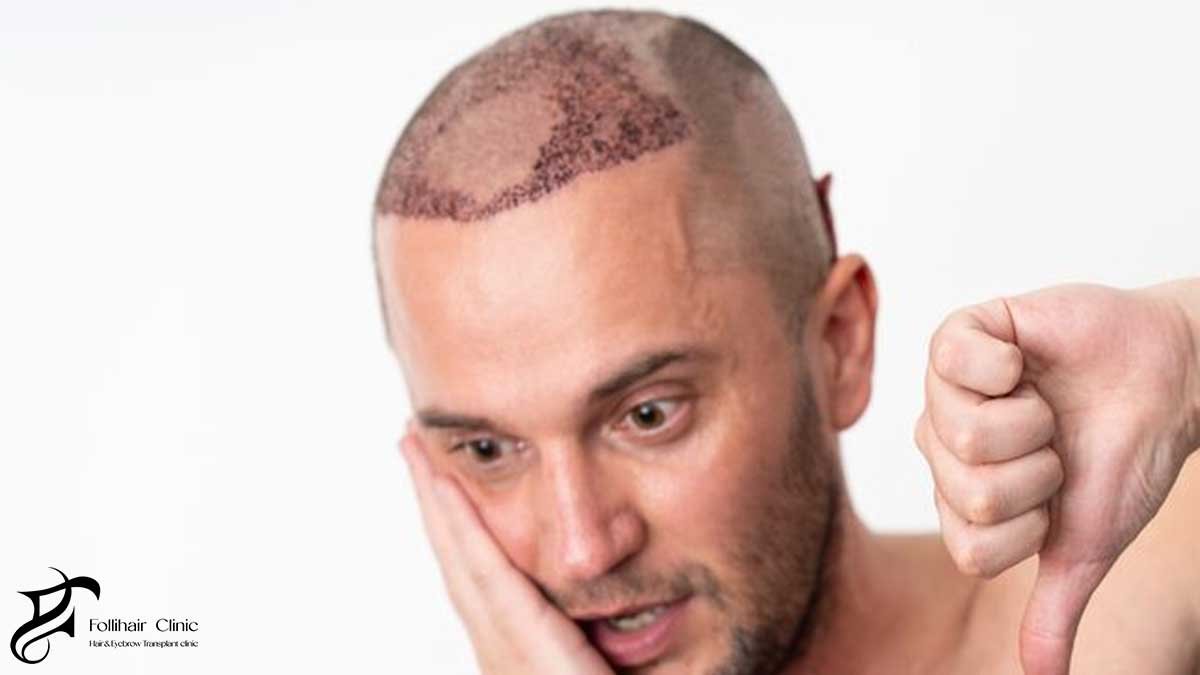
Nicotine causes vasoconstriction, reducing oxygen and nutrient delivery to healing follicles. Alcohol contributes to dehydration and may intensify inflammatory responses.
Even temporary use during the first month can influence healing quality. This behavior remains one of the most underestimated Post Hair Transplant Mistakes, particularly because its effects are not immediately visible.
Misunderstanding Shedding and Growth Timelines
Temporary shedding of transplanted hairs is a normal physiological response. However, many patients interpret this phase as treatment failure and experience unnecessary anxiety.
This misunderstanding can lead to impulsive decisions, including excessive scalp manipulation or seeking unverified interventions. Education about the natural growth cycle following a Hair Transplant helps patients maintain realistic expectations and emotional well-being.
Ignoring Psychological and Emotional Factors
Stress influences hormonal balance, sleep quality, and immune response. Anxiety about appearance, impatience for visible growth, and constant self-monitoring can negatively affect overall recovery.
Managing expectations and maintaining mental calmness are often overlooked aspects of early recovery after hair transplant, yet they contribute meaningfully to healing.
read more: The Hidden Reasons Behind Hair Loss
Failure to Attend Follow-Up Assessments
Post-procedure monitoring allows clinicians to assess healing progress, identify early complications, and provide individualized guidance. Skipping follow-up appointments may delay the detection of issues that could otherwise be managed conservatively.
Many Post Hair Transplant Mistakes are not dramatic errors, but small oversights that accumulate over time. Ongoing professional oversight helps prevent these from becoming long-term problems.
Adopting a Long-Term Perspective on Recovery
Hair restoration is a gradual biological process rather than an instant cosmetic change. The first 30 days represent only the initial phase of a longer journey that unfolds over months.
Understanding this timeline helps patients avoid unnecessary interventions and focus on sustainable care. Patience, consistency, and informed decision-making remain the most reliable foundations for satisfactory outcomes.
Final Thoughts
Awareness and education are essential components of recovery following hair restoration procedures. Avoiding common behaviors that interfere with healing allows the body to function as intended. While individual responses vary, minimizing Post Hair Transplant Mistakes during the first month creates favorable conditions for natural progress and long-term satisfaction. For those seeking structured guidance and medically aligned aftercare support, follihairclinic emphasizes patient education, realistic expectations, and individualized recovery planning.