
Standard Time Intervals Between Laser Hair Removal


Laser-based hair reduction has become a widely used method for managing unwanted hair across different body areas. One of the most common questions raised by individuals considering this method is how much time should pass between treatment sessions. Understanding the standard laser hair removal interval is essential for setting realistic expectations, maintaining skin health, and aligning treatments with natural hair growth cycles. Rather than following a fixed schedule for everyone, session spacing depends on several biological and technical factors that influence how hair responds over time.
How Hair Growth Cycles Affect Treatment Scheduling
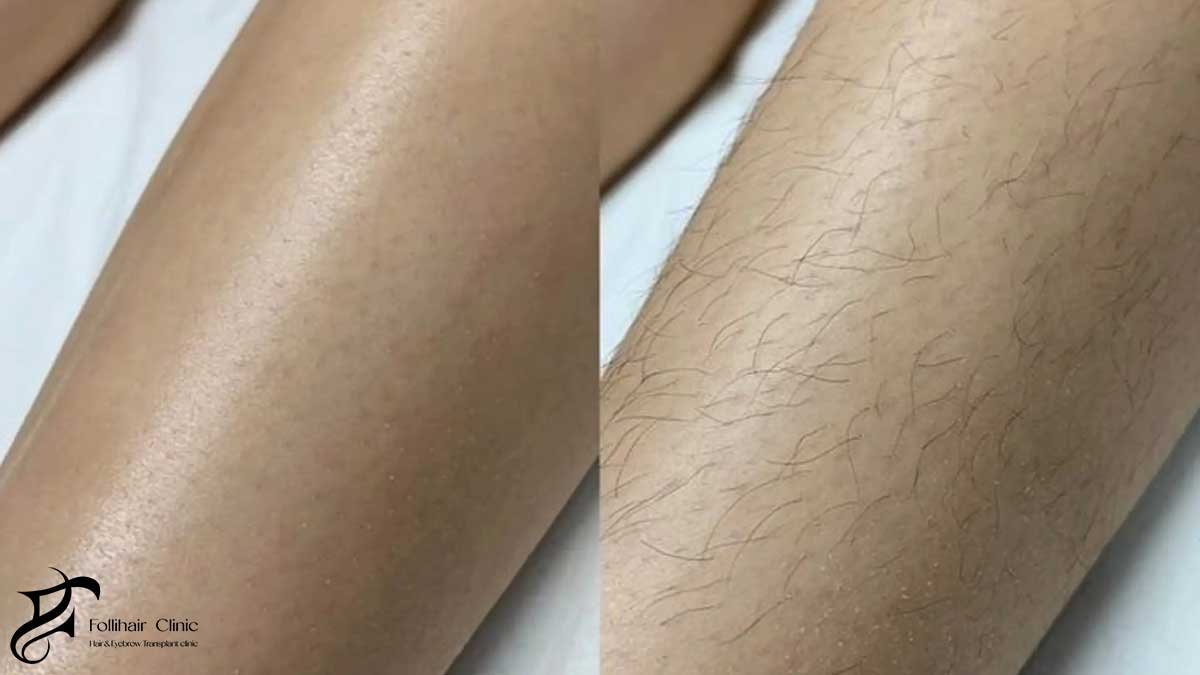
Human hair does not grow continuously. Each follicle progresses through distinct phases: growth, transition, rest, and shedding. Laser-based technologies primarily affect hair follicles during the active growth phase, when pigment concentration is highest and the follicle remains connected to its blood supply.
Because only a portion of hair follicles are in this active phase at any given time, treatments must be spaced out to allow dormant follicles to enter growth. This biological reality explains why a standard laser hair removal interval is typically measured in weeks rather than days, and why multiple sessions are commonly required to achieve noticeable and lasting hair reduction.
Why Session Timing Cannot Be the Same for Everyone
The idea of a universal schedule often leads to confusion. In practice, laser hair removal session timing varies based on individual characteristics. Hair thickness, density, hormonal influences, skin type, and the specific body area being treated all play a role in determining how quickly hair cycles repeat. External factors such as age, medication use, and metabolic differences may also influence regrowth patterns.
Because of this variability, spacing sessions too closely may result in treating hair that is not yet responsive, while waiting too long can allow regrowth to become more visible between sessions.
read more: Eyebrow Transplant Cost in Australia
Typical Time Gaps Between Sessions for Different Body Areas
Although individual assessment remains essential, commonly referenced timeframes exist for different regions of the body. Facial areas, where hair cycles tend to be shorter, are often treated at shorter intervals than areas such as the legs or back. This difference reflects how rapidly follicles move back into the active growth phase.
Upper body areas may require moderate spacing, while lower body regions typically benefit from longer intervals. These patterns help explain why a standard laser hair removal interval is not defined by a single number but by a range adjusted to anatomical differences.
The Role of Hair Thickness and Pigment
Hair with higher pigment concentration absorbs laser energy more efficiently, which may influence how quickly treated follicles respond. Thicker, darker hair often shows a noticeable reduction earlier in the treatment course, while finer or lighter hair may require more patience and careful scheduling.
This variation reinforces the importance of aligning laser hair removal session timing with visible regrowth patterns rather than strictly following a calendar-based approach.
read more: The Hidden Reasons Behind Hair Loss
Hormonal Factors and Their Impact on Regrowth
Hormonal activity plays a significant role in hair development, particularly in areas such as the face, chest, and abdomen. Conditions that influence androgen levels may result in faster or more persistent regrowth, even when sessions are appropriately spaced.
In such cases, maintaining a consistent standard laser hair removal interval while monitoring changes over time allows adjustments to be made without overexposing the skin or creating unrealistic expectations about outcomes.
Skin Recovery and the Importance of Adequate Spacing

Allowing sufficient time between sessions supports skin recovery. Laser-based procedures generate controlled thermal effects, and while these are generally well tolerated, repeated exposure without adequate recovery time may increase sensitivity or irritation.
Appropriate spacing helps ensure that the skin barrier returns to its baseline state before further treatment, which is why laser hair removal session timing is often guided by both hair regrowth and skin response rather than hair alone.
Why More Frequent Sessions Are Not Always Better
A common misconception is that shortening the interval between treatments accelerates results. In reality, sessions performed too frequently may target hairs that are not in a responsive phase, reducing overall efficiency without improving outcomes.
Respecting the standard laser hair removal interval allows treatments to coincide with optimal follicle conditions, supporting gradual reduction rather than temporary suppression.
read more: Can Capillary Treatment Replace Hair Transplant Surgery?
Maintenance Sessions and Long-Term Scheduling
After an initial series of treatments, some individuals choose to continue with periodic maintenance sessions. These are typically spaced further apart and aim to address any regrowth that occurs over time. Maintenance schedules vary widely and depend on how hair responds after the primary treatment phase.
This long-term approach reflects the understanding that hair growth is a dynamic biological process rather than a one-time event.
Technology, Technique, and Timing Considerations
Different laser systems operate using varying wavelengths and pulse durations, which may influence recommended intervals. Practitioner technique, energy settings, and cooling methods also contribute to how the skin and hair respond.
While these technical aspects are managed by trained professionals, awareness of their influence helps explain why laser hair removal session timing recommendations may differ between treatment settings.
Common Misunderstandings About Treatment Gaps
Some individuals worry that visible regrowth between sessions indicates treatment failure. In most cases, this regrowth represents untreated follicles entering the growth phase rather than a reversal of progress. Understanding this pattern can reduce frustration and support adherence to appropriate scheduling.
Others may assume that missing or delaying a session eliminates previous benefits, which is generally not the case. Hair reduction progresses cumulatively over time.
Setting Realistic Expectations
Managing expectations is an important part of any hair reduction journey. Outcomes depend on multiple variables, and while many people experience meaningful reduction, responses are not identical for everyone. Recognizing the role of the standard laser hair removal interval helps frame the process as gradual and individualized rather than immediate.
Educational clarity supports informed decision-making and reduces the likelihood of disappointment caused by unrealistic timelines.
Final Thoughts
Understanding how and why treatment sessions are spaced is central to making informed choices about hair reduction. A well-considered standard laser hair removal interval balances biological hair growth cycles, skin recovery needs, and individual variability. Rather than focusing on speed, effective scheduling prioritizes consistency, safety, and realistic outcomes over time.
For individuals seeking general educational information about Laser Hair Removal and treatment planning, resources provided by experienced clinical environments such as follihairclinic can support informed discussions with qualified practitioners.