

The Impact of Australia’s Harsh Sun on Facial Skin and Effective Prevention Strategies


Australia is globally known for its beautiful beaches, outdoor lifestyle, and year-round sunshine. While this climate offers many lifestyle benefits, it also presents one of the most aggressive ultraviolet radiation environments in the world. Prolonged exposure to intense sunlight places facial skin under constant stress, accelerating aging, pigmentation, and more serious dermatological conditions. Understanding the true impact of Australia’s sun on facial skin is essential for anyone living in or traveling to this region.
Facial skin is particularly vulnerable because it is continuously exposed and structurally more delicate than other areas of the body. Without proper care, cumulative sun exposure can lead to irreversible damage over time. This article explores how and why Australian sun skin damage occurs, the biological mechanisms behind it, and most importantly, how effective prevention strategies can preserve skin health, appearance, and long-term resilience.
Australia’s Sun Affects Facial Skin

Australia experiences some of the highest UV index levels worldwide due to its geographical location, clear atmospheric conditions, and ozone layer thinning in the southern hemisphere. Ultraviolet radiation penetrates deeply into the skin, disrupting cellular structures and impairing natural repair mechanisms.
When facial skin is repeatedly exposed to intense UV rays, collagen and elastin fibers break down faster than the body can regenerate them. This leads to premature wrinkles, sagging, uneven texture, and loss of firmness. Over time, Australian sun skin damage can also alter pigmentation processes, causing dark spots, melasma, and uneven skin tone that become increasingly difficult to treat.
In addition to visible aging, UV exposure weakens the skin barrier. This makes the face more susceptible to dehydration, sensitivity, inflammation, and environmental pollutants. Many people underestimate how daily, non-burning sun exposure contributes silently to cumulative damage.
read more: ECLADO Treatments and Their Role in Modern Skin Care
Why Facial Skin Is More Vulnerable Than Other Areas
Facial skin differs anatomically from skin on the body. It is thinner, has fewer oil glands in certain areas, and is constantly exposed to environmental stressors. Unlike arms or legs, the face rarely benefits from clothing-based protection, especially in Australia’s warm climate.
Another factor is facial movement. Constant muscle activity from expressions accelerates the appearance of wrinkles when combined with sun-induced collagen breakdown. Over time, Australian sun skin damage becomes more pronounced around the eyes, mouth, and forehead due to this combined mechanical and environmental stress.
Skin tone also plays a role. While darker skin types have more natural melanin protection, they are not immune. Chronic UV exposure still causes pigmentation irregularities and long-term structural damage, even if visible redness or burning is less apparent.
Long-Term Consequences of Unprotected Sun Exposure
The long-term effects of intense sun exposure go far beyond cosmetic concerns. Repeated UV damage alters DNA within skin cells, increasing the risk of precancerous lesions and skin cancers. Australia has one of the highest skin cancer rates globally, making sun protection a public health priority.
From an aesthetic perspective, Australian sun skin damage results in uneven texture, enlarged pores, broken capillaries, and persistent redness. These changes often progress slowly, which is why many individuals only recognize the severity years later.
Once deep structural damage occurs, prevention becomes more challenging and treatments more complex. This is why early awareness and consistent protective habits are crucial for maintaining healthy facial skin over time.
The Role of Daily Prevention in Skin Health
Prevention is the most effective approach to minimizing sun-related skin damage. Consistent daily habits matter more than occasional corrective treatments. Sun exposure accumulates over time, meaning even short periods outdoors contribute to long-term impact.
Using broad-spectrum sunscreen daily is essential, regardless of weather or season. UV radiation penetrates clouds and reflects off surfaces like sand and concrete, making exposure unavoidable in many Australian environments. Protective measures such as hats, sunglasses, and seeking shade during peak hours significantly reduce risk.
Understanding sun protection for facial skin involves more than sunscreen alone. Skincare routines must support barrier repair, hydration, and antioxidant defense to counteract oxidative stress caused by UV exposure.
Supporting Skin Repair Beyond Sunscreen
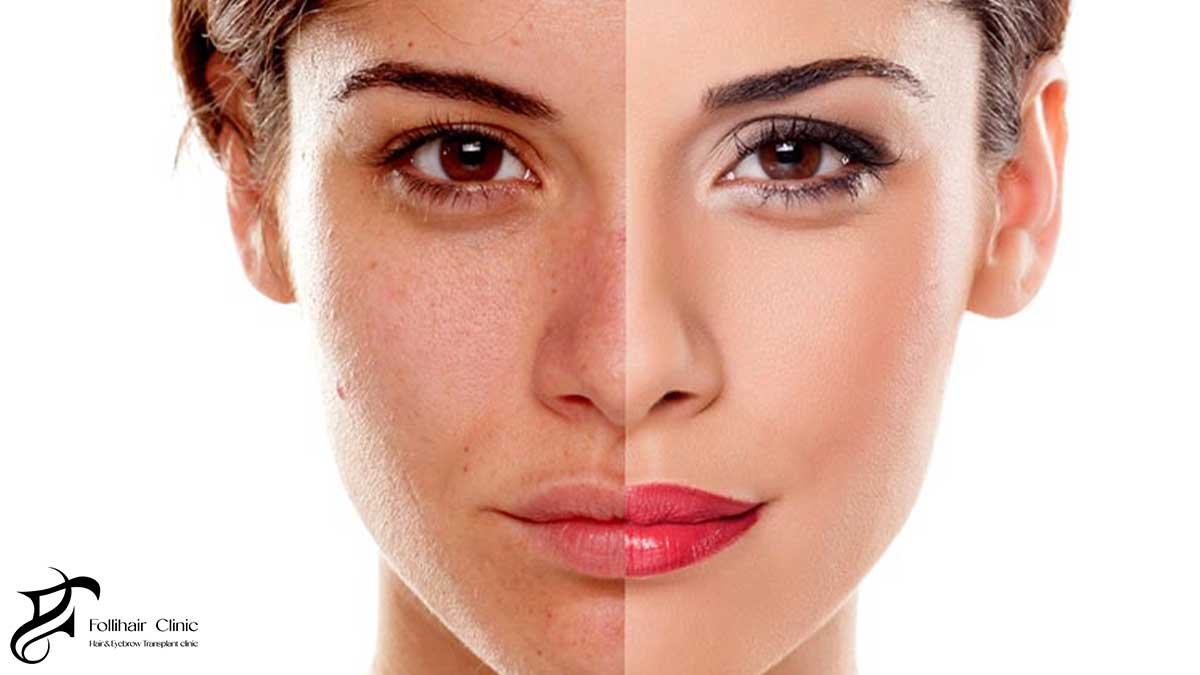
While prevention focuses on reducing exposure, supporting the skin’s natural repair processes is equally important. Antioxidants such as vitamin C and E neutralize free radicals generated by UV radiation, limiting cellular damage. Proper hydration improves elasticity and helps maintain a resilient skin barrier.
Professional treatments can also support skin health when integrated thoughtfully. For example, ECLADO Treatments and Their Role in Modern Skin Care highlight how advanced formulations can strengthen skin defenses and improve recovery after environmental stress, without replacing daily protective habits.
It’s important to understand that no treatment can fully reverse years of accumulated Australian sun skin damage. The goal is to slow progression, enhance skin quality, and protect remaining healthy tissue.
Advanced Skin Procedures and Sun Exposure Awareness
Certain cosmetic procedures require heightened sun awareness to avoid complications. FACIAL MICRONEEDLING, for instance, stimulates collagen production but temporarily increases skin sensitivity. Without proper sun avoidance during recovery, pigmentation issues and irritation may worsen.
Similarly, vascular-based procedures such as Capillary Treatment demand strict sun protection protocols, as UV exposure can interfere with healing and reduce treatment effectiveness. This reinforces the importance of integrating sun protection into both daily life and professional skincare planning.
Sun exposure management should always be discussed with a qualified skin specialist before and after any advanced treatment, especially in high-UV regions like Australia.
Lifestyle Factors That Increase Sun Damage Risk
Lifestyle choices significantly influence how facial skin responds to sun exposure. Outdoor occupations, recreational activities, and exercise routines increase cumulative UV exposure. In Australia, many people underestimate the impact of incidental sun exposure during commuting or short outdoor breaks.
Diet also plays a role. Nutrient deficiencies weaken skin’s natural repair mechanisms, making it less resilient against UV stress. Antioxidant-rich foods support internal defense systems, complementing topical sun protection for facial skin.
Sleep quality and stress levels further influence skin recovery. Chronic stress elevates inflammation, while poor sleep impairs cellular regeneration, amplifying the visible effects of Australian sun skin damage.
Seasonal Variations and Skin Protection Needs
Although Australia enjoys sunshine year-round, UV intensity varies by season and location. Summer months pose the highest risk, but winter sun exposure should not be ignored. UV levels can remain high even when temperatures are cooler.
Coastal areas experience stronger UV reflection due to water and sand, while urban environments amplify exposure through reflective surfaces. Understanding these variations allows individuals to adjust protection strategies accordingly rather than relying on seasonal assumptions.
Consistent routines ensure protection becomes automatic rather than reactive, reducing long-term risk significantly.
The Psychological Impact of Sun-Induced Skin Changes
Visible skin damage affects more than physical appearance. Premature aging, pigmentation, and redness can impact self-confidence and emotional well-being. Many individuals seek corrective treatments without addressing the root cause: ongoing sun exposure.
Education plays a crucial role in shifting focus from short-term fixes to long-term prevention. When people understand how Australian sun skin damage develops, they are more likely to adopt sustainable protective habits.
This mindset shift empowers individuals to take control of their skin health proactively rather than reactively.
Building a Sustainable Sun Protection Routine
A sustainable routine balances effectiveness with practicality. Products should suit individual skin types, climates, and daily activities. Overly complex routines often fail due to inconsistency.
A basic but effective approach includes daily sunscreen application, protective accessories, antioxidant skincare, and regular professional skin assessments. This integrated strategy offers the strongest defense against cumulative sun damage.
Sun protection for facial skin is not a one-time decision but a lifelong commitment, particularly in regions with extreme UV exposure.
read more: Eyebrow Transplant Preparation
When to Seek Professional Guidance
Not all sun-related skin changes are immediately visible or easily self-diagnosed. Professional assessments help identify early signs of damage and guide appropriate interventions. Early detection allows for less invasive and more effective management.
Clinics with expertise in environmental skin stress understand the unique challenges posed by Australia’s climate. Personalized care plans ensure prevention strategies align with individual risk profiles and lifestyle factors.
Conclusion
Australia’s intense sunlight presents a unique and ongoing challenge for facial skin health. Without proper protection, cumulative exposure leads to premature aging, pigmentation disorders, and serious long-term consequences. Understanding how Australian sun skin damage occurs empowers individuals to take proactive steps toward prevention.
By combining daily sun avoidance strategies, supportive skincare, informed lifestyle choices, and professional guidance, it is possible to preserve skin health despite environmental challenges. Consistency, education, and early intervention remain the most effective tools in protecting facial skin over time.
For those seeking expert support and advanced skin care solutions tailored to Australia’s unique climate, follihairclinic stands as a trusted destination for professional guidance and comprehensive skin health services.