

The Role of Specialist Clinics in Diagnosing Non-Genetic Hair Loss

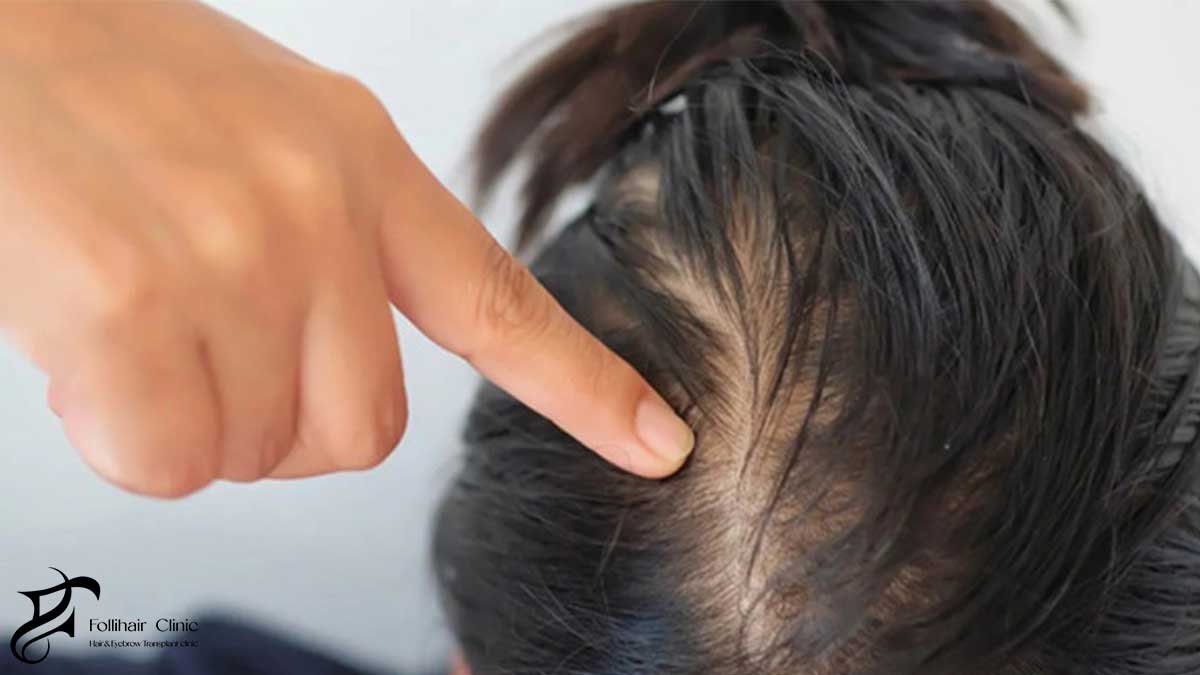
Hair loss is a common concern that affects individuals across different ages and genders, often carrying significant emotional and psychological impact. While hereditary hair loss is widely recognized and discussed, non-genetic hair loss is frequently misunderstood, misdiagnosed, or overlooked. Many individuals assume that all hair thinning follows a genetic pattern, leading to delayed diagnosis and ineffective self-directed treatments.
Non-genetic hair loss can arise from a wide range of internal and external factors, including medical conditions, nutritional deficiencies, hormonal changes, autoimmune responses, stress, medications, and lifestyle influences. Because these causes are diverse and often interconnected, accurate identification requires a systematic and professional approach. This is where specialist clinics play an essential role.
Understanding the importance of non-genetic hair loss diagnosis allows patients to move beyond guesswork and cosmetic assumptions. Specialist clinics provide structured evaluation, evidence-based interpretation, and individualized management strategies that align with medical standards. This article explores the role of specialised clinics in diagnosing non-genetic hair loss, highlights leading clinics in Australia, with a focused overview of follihairclinic, and outlines appropriate pathways for management and care.
Understanding Non-Genetic Hair Loss
Non-genetic hair loss refers to hair shedding or thinning that is not primarily driven by inherited patterns. Conditions such as telogen effluvium, alopecia areata, traction alopecia, inflammatory scalp disorders, and hair loss related to systemic illness fall into this category. Unlike hereditary hair loss, which often follows predictable patterns, non-genetic forms can present suddenly, diffusely, or asymmetrically.
One of the challenges in identifying these conditions lies in their overlapping symptoms. Increased shedding, reduced density, or scalp discomfort may appear similar across multiple diagnoses. Without professional evaluation, individuals may misinterpret temporary shedding as permanent loss or overlook reversible triggers. This is why non-genetic hair loss diagnosis requires clinical expertise rather than visual assessment alone.
The Role of Specialist Clinics in Diagnosing Non-Genetic Hair Loss

Specialist clinics provide a structured, multi-layered approach to evaluation that cannot be replicated through over-the-counter solutions or online self-assessments. The diagnostic process begins with an in-depth consultation, where patient history, lifestyle factors, medical background, and symptom progression are carefully reviewed. This step alone often reveals contributing factors that are not immediately obvious.
Clinical scalp examination is a core component of professional assessment. Specialists assess hair density, follicular integrity, scalp condition, and distribution patterns. Advanced tools such as dermoscopy or trichoscopy may be used to visualise follicles at high magnification, enabling differentiation between shedding disorders and follicular miniaturisation. These techniques significantly improve the accuracy of non-genetic hair loss diagnosis and reduce the risk of inappropriate treatment.
Laboratory investigations may also be recommended when indicated. Blood tests can help identify iron deficiency, thyroid dysfunction, inflammatory markers, or hormonal imbalances that contribute to hair shedding. Specialist clinics interpret these results within the broader clinical context, rather than in isolation, which is critical for meaningful diagnosis.
Another key advantage of specialist clinics is their ability to rule out unrelated procedures or timelines that may confuse patients. For example, discussions around Standard Time Intervals Between Laser Hair Removal may arise during consultations, but trained professionals can clearly distinguish between unrelated cosmetic timelines and true pathological hair loss.
Why Accurate Diagnosis Matters?
Accurate diagnosis is the foundation of effective care. Treating non-genetic hair loss without identifying the underlying cause may not only be ineffective but can also exacerbate the condition. For instance, applying aggressive topical agents to hair loss caused by nutritional deficiency does not address the root problem and may delay recovery.
Specialist clinics help patients understand The Hidden Reasons Behind Hair Loss by translating clinical findings into clear, actionable explanations. This educational component empowers patients, reduces anxiety, and improves adherence to management plans. It also prevents unnecessary interventions that may be costly or inappropriate.
Leading Specialist Hair Clinics in Australia
Australia is home to several reputable clinics specialising in hair and scalp health. These clinics operate within regulated healthcare frameworks and prioritise patient education, safety, and evidence-based practice. While different clinics may offer varied approaches, the highest standards include comprehensive assessment, transparency, and personalised care.
Among these, follihairclinic stands out for its structured diagnostic protocols and patient-centred philosophy. The clinic focuses on thorough evaluation before recommending any intervention, ensuring that each patient’s condition is fully understood. This commitment to accuracy aligns closely with AHPRA principles, which emphasise ethical communication and informed consent.
At follihairclinic, consultations are designed to identify contributing factors beyond genetics, including lifestyle stressors, medical history, and scalp health. The clinic integrates clinical assessment with modern diagnostic tools to support precise non-genetic hair loss diagnosis. Patients benefit from clear explanations, realistic expectations, and management plans tailored to their individual needs rather than generic solutions.
Advantages of Choosing follihairclinic
One of the key advantages of follihairclinic is its emphasis on multidisciplinary understanding. Hair loss is approached not as an isolated cosmetic issue but as a reflection of broader health. This perspective allows clinicians to recommend appropriate referrals or collaborative care when necessary.
Another strength lies in patient education. By helping individuals understand the nature of their condition, follihairclinic reduces confusion and misinformation, particularly for patients who may have previously encountered misleading claims online. This educational approach supports long-term outcomes and aligns with responsible healthcare communication.
The clinic also provides guidance on available Hair Loss Treatments in a balanced and ethical manner. Rather than promoting one-size-fits-all solutions, treatment discussions are framed around suitability, evidence, and patient preference. This ensures that any intervention considered is appropriate to the diagnosed condition.
Treatment Pathways Following Diagnosis
Once a diagnosis has been established, management strategies can be developed. For non-genetic hair loss, treatment often focuses on addressing the underlying cause rather than stimulating growth alone. Nutritional support, stress management, medical therapy, or modification of contributing habits may all play a role.
In some cases, monitoring and reassurance are appropriate, particularly for temporary shedding conditions. Specialist clinics help patients understand expected timelines and recovery patterns, preventing unnecessary concern. This is especially important in avoiding misconceptions similar to those seen in Common Patient Mistakes During the First 30 Days After Hair Transplant Surgery, where misunderstanding recovery phases leads to anxiety or inappropriate actions.
Where supportive therapies are indicated, they are introduced within a broader care framework. The goal is not immediate cosmetic change but sustainable improvement supported by clinical reasoning.
The Importance of Ongoing Monitoring
Non-genetic hair loss can evolve over time, particularly if underlying triggers persist or change. Specialist clinics provide continuity of care, allowing for reassessment and adjustment of management plans as needed. This ongoing relationship ensures that improvements are maintained and new concerns are addressed promptly.
Regular follow-up also reinforces education and supports patient confidence. Understanding progress markers and realistic outcomes reduces the temptation to pursue unverified treatments or abandon care prematurely.
Conclusion
Non-genetic hair loss is complex, multifactorial, and often reversible when properly identified. Specialist clinics play a critical role in ensuring accurate non-genetic hair loss diagnosis through comprehensive assessment, advanced diagnostic tools, and evidence-based interpretation. This professional approach protects patients from misinformation and ineffective treatments.
In Australia, clinics that prioritise ethical standards, patient education, and personalised care set the benchmark for effective hair health management. Among them, follihairclinic exemplifies a diagnostic-first philosophy that supports informed decision-making and long-term outcomes.
By choosing specialist-led evaluation and care, individuals experiencing hair loss gain clarity, confidence, and access to appropriate management pathways grounded in clinical integrity and professional standards.