

Hair Thinning Causes:Why Hair Loses Density and Strength?

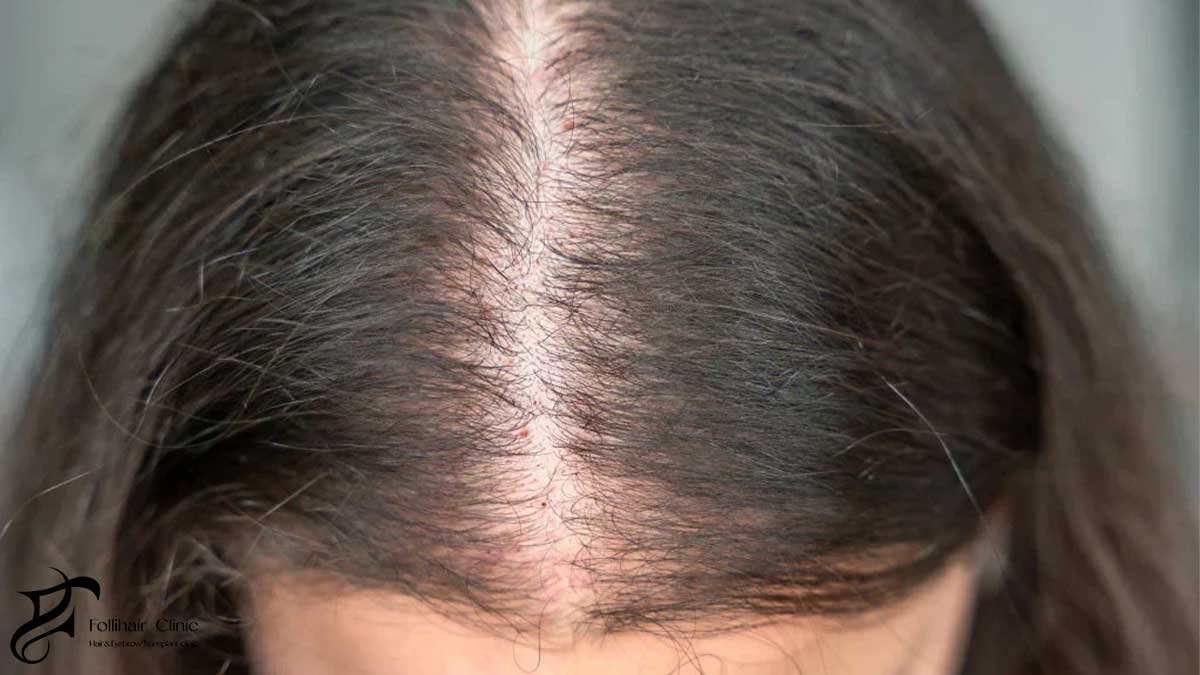
Hair thinning is a common concern affecting both men and women across different age groups. While it is often assumed to be purely genetic, clinical evidence suggests that a wide range of internal and external factors may contribute to reduced hair density and strand thickness. Understanding potential hair thinning causes is essential for making informed decisions about hair and scalp care.
It is important to note that hair thinning can present differently in each individual. Factors such as overall health, lifestyle, hormonal balance, and scalp condition may interact in complex ways. This article is intended for educational purposes only and does not replace professional medical advice, diagnosis, or treatment.
Hair Thinning Versus Hair Loss: A Clinical Perspective
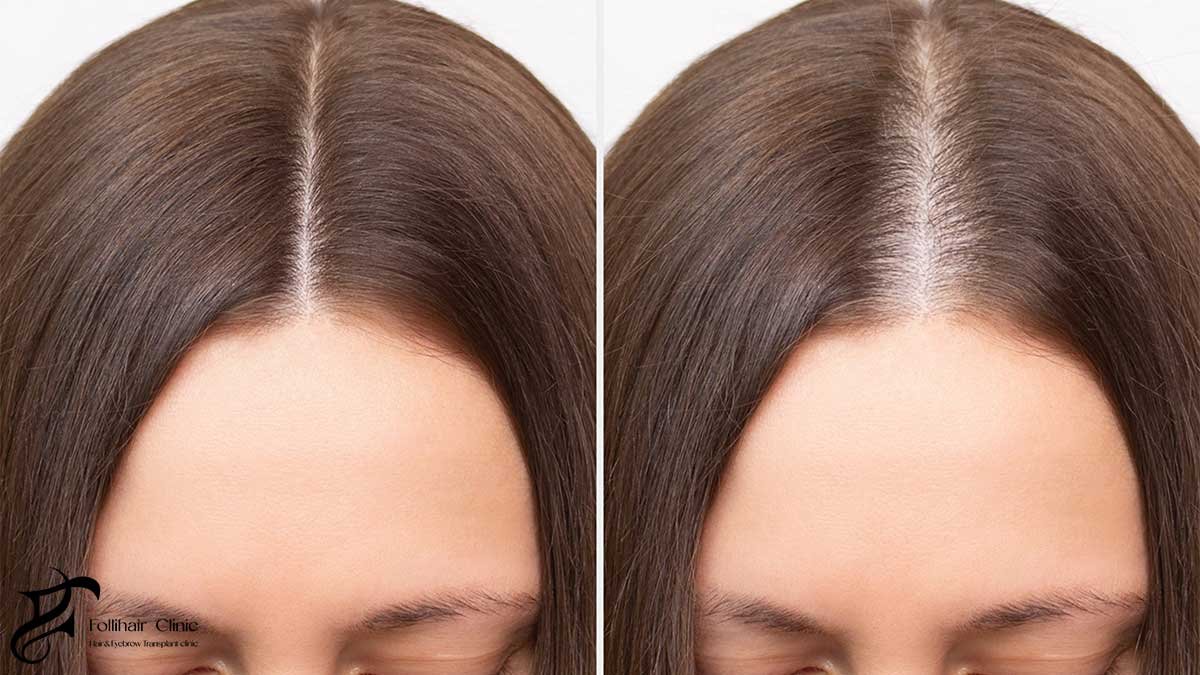
From a clinical standpoint, hair thinning differs from complete hair loss. Thinning typically refers to a gradual reduction in hair shaft diameter, volume, or density, while follicles may remain active. In contrast, hair loss may involve follicular miniaturisation or permanent follicle damage.
Many hair thinning causes are associated with temporary or reversible changes in the hair growth cycle. Hair follicles naturally cycle through growth (anagen), transition (catagen), and resting (telogen) phases. Disruptions to this cycle may result in finer hair strands or increased shedding without permanent follicle loss.
Nutritional Factors and Hair Fibre Quality
Adequate nutrition plays a significant role in maintaining normal hair structure. Hair follicles require sufficient protein, iron, zinc, essential fatty acids, and certain vitamins to support normal keratin production. Nutritional insufficiencies may be associated with changes in hair texture, growth rate, and thickness.
Dietary patterns that are highly restrictive or unbalanced may contribute to hair thinning causes, particularly when sustained over time. In clinical practice, nutritional assessment is often considered as part of a broader evaluation, especially when hair thinning occurs without a clear genetic pattern.
Hormonal Influences on Hair Growth
Hormonal balance is closely linked to hair follicle function. Variations in thyroid hormones, androgens, estrogen, and cortisol may influence hair growth cycles and follicle activity. Conditions such as thyroid disorders, postpartum hormonal shifts, menopause, or endocrine imbalances may be associated with diffuse hair thinning.
Hormone-related hair thinning causes are often complex and require professional assessment. Blood tests and medical history are typically necessary to determine whether hormonal factors may be contributing to observed changes in hair density.
Lifestyle-Related Contributors to Hair Thinning
Lifestyle factors may indirectly affect hair health by influencing circulation, inflammation, and overall metabolic balance. Chronic psychological stress, inadequate sleep, smoking, and frequent alcohol consumption have been associated with changes in skin and hair quality.
Educational discussions around How Alcohol and Fast Food Consumption Affects Skin and Hair Quality highlight how dietary choices and oxidative stress may influence hair appearance over time. These lifestyle-related hair thinning causes are not always immediately apparent but may become more noticeable with prolonged exposure.
Scalp Health and Follicular Environment
The condition of the scalp plays a crucial role in supporting normal hair growth. Inflammatory scalp conditions, such as seborrheic dermatitis or psoriasis, may disrupt the follicular environment and affect hair shaft development.
Suboptimal scalp hygiene, product buildup, or sensitivity reactions may also contribute to hair thinning. Addressing scalp-related hair thinning causes often involves targeted scalp care strategies under professional guidance rather than cosmetic solutions alone.
Mechanical, Chemical, and Environmental Stressors
Repeated exposure to physical or chemical stress may weaken hair fibres over time. Heat styling, chemical treatments, tight hairstyles, and excessive manipulation can increase hair breakage and reduce perceived density.
Although follicles may remain functional, cumulative damage to the hair shaft can mimic medical hair thinning. Identifying these non-medical hair thinning causes is an important step in preventing further structural damage.
Stress-Related Hair Cycle Changes
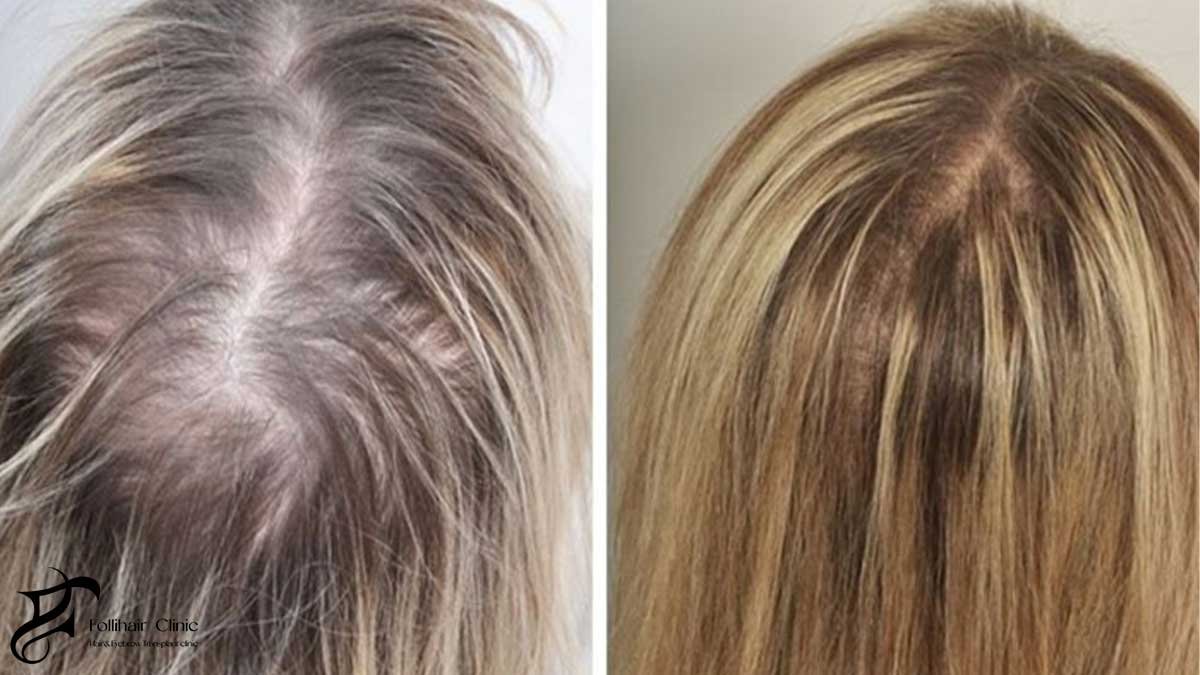
Significant emotional or physiological stress may be associated with a condition known as telogen effluvium. In this scenario, a larger proportion of hair follicles enter the resting phase simultaneously, which may result in noticeable shedding and thinning.
This process often occurs several weeks or months after the triggering event, which is why patients may seek explanations related to The Hidden Reasons Behind Hair Loss without immediately recognising the role of prior stressors.
Medical Conditions and Medication Considerations
Certain medical conditions may be associated with hair thinning, including iron deficiency, autoimmune disorders, and chronic systemic illness. In addition, some prescription medications may have hair thinning listed as a potential side effect.
Clinical evaluation is essential to determine whether these factors may be contributing hair thinning causes, as management typically focuses on addressing the underlying condition rather than the hair symptom alone.
Clinical Assessment and Diagnostic Importance
Because hair thinning may result from multiple overlapping factors, professional assessment is strongly recommended when changes persist or progress. A clinical evaluation may include scalp examination, medical history review, laboratory testing, and, where appropriate, imaging or microscopic analysis.
Clinics that provide evidence-based Hair Loss Treatments emphasise accurate diagnosis and realistic expectations. In selected cases, procedures such as Hair Transplant may be discussed, but only after thorough assessment and when clinically appropriate.
Management and Supportive Care Approaches
Management strategies for hair thinning vary depending on the identified contributing factors. These may include nutritional optimisation, medical treatment of underlying conditions, scalp therapies, and lifestyle modifications.
Importantly, outcomes vary between individuals, and no single intervention is universally effective. Addressing hair thinning causes in a structured and personalised manner aligns with best-practice clinical standards.
Preventive Considerations and Long-Term Hair Health
Preventive strategies focus on maintaining overall health, managing stress, protecting hair from excessive damage, and seeking early professional advice when changes are noticed. Education plays a key role in helping individuals understand normal hair variation versus clinically significant thinning.
Awareness of potential hair thinning causes allows for informed decision-making and timely consultation, which may help reduce progression in some cases.
Conclusion
Hair thinning is a multifactorial concern influenced by nutritional, hormonal, lifestyle, medical, and environmental factors. While some causes are genetic, many hair thinning causes may be associated with reversible or manageable conditions when identified early.
This article is intended for general educational purposes and should not be considered medical advice. For personalised assessment and management, consultation with qualified health professionals is recommended. Clinics such as follihairclinic focus on evidence-based evaluation and patient-centred care in line with Australian regulatory standards.