

Daily Sunscreen Cream Selection Guide

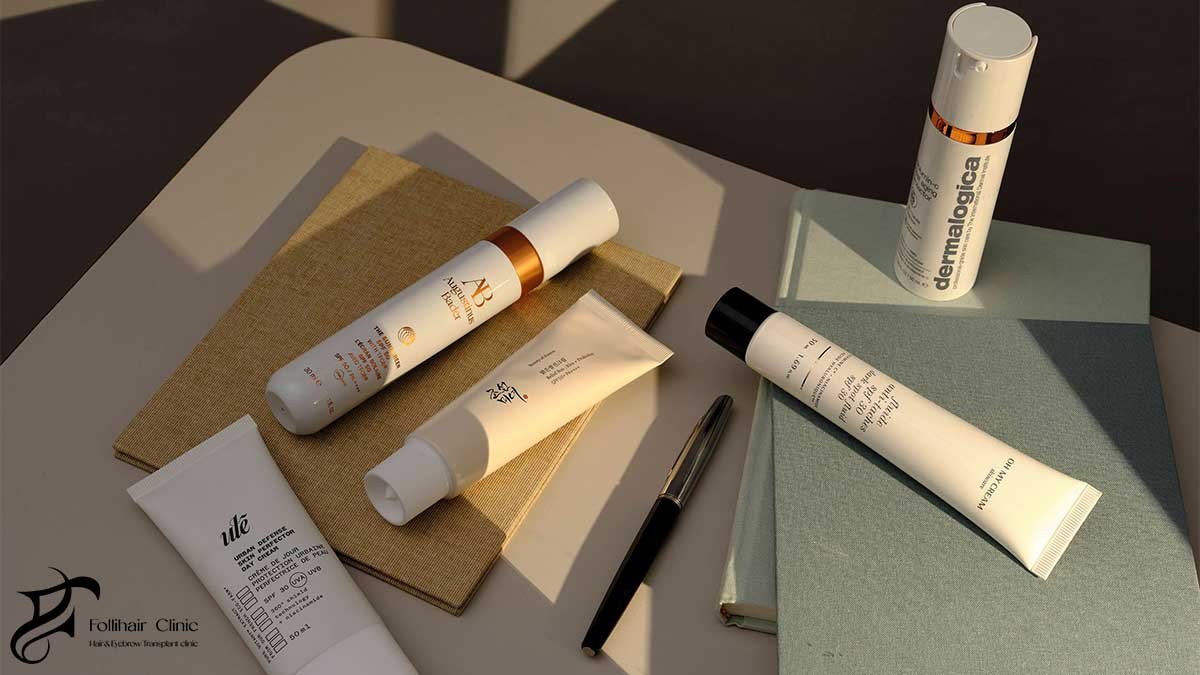
Daily sun protection is one of the most important yet frequently misunderstood aspects of skincare. Many people associate sunscreen use only with beach holidays or outdoor sports, overlooking the cumulative effects of daily ultraviolet exposure. Over time, even incidental sun exposure during commuting, work breaks, or errands can contribute to premature skin ageing, pigmentation changes, and increased skin cancer risk. Understanding how to select a sunscreen suitable for everyday use is therefore a foundational step in maintaining long-term skin health. This article explores the key principles behind effective sunscreen selection, focusing on safety, suitability, and realistic daily use rather than marketing claims.
Sun Exposure and Skin Health
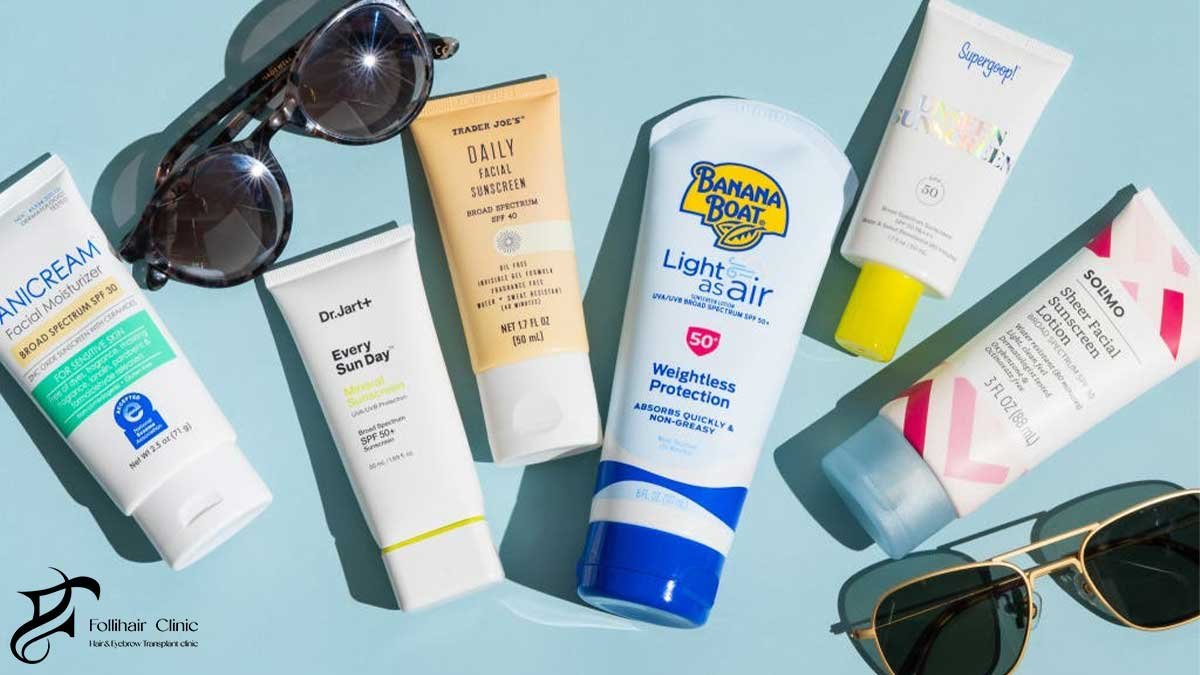
Ultraviolet radiation is divided into UVA and UVB rays, both of which affect the skin in different ways. UVB rays are primarily responsible for sunburn, while UVA rays penetrate deeper into the skin and contribute significantly to photoaging and long-term cellular damage. Importantly, UVA exposure remains relatively constant throughout the day and can pass through glass, making indoor and incidental exposure relevant. Daily sunscreen cream selection should therefore prioritise broad-spectrum protection to address both types of radiation consistently.
Why Daily Sunscreen Use Matters?
Sunscreen is not only a preventive tool for extreme sun exposure but a daily protective measure. Research consistently shows that regular sunscreen use helps reduce visible signs of ageing such as fine lines, uneven skin tone, and loss of elasticity. From a public health perspective, daily use is also associated with a lower cumulative risk of certain skin cancers. Establishing sunscreen as part of a daily routine aligns with evidence-based skin health strategies rather than reactive care.
Key Factors in Choosing a Daily Sunscreen
Selecting the right sunscreen involves more than choosing the highest SPF available. Factors such as formulation, skin type compatibility, lifestyle, and cosmetic acceptability all influence whether a product will be used consistently. The goal of daily sunscreen cream selection is to find a product that offers reliable protection while fitting seamlessly into everyday routines.
SPF and What It Really Means?
Sun Protection Factor, or SPF, measures protection against UVB rays. An SPF 30 sunscreen blocks approximately 97 percent of UVB radiation when applied correctly, while SPF 50 blocks about 98 percent. Higher SPF does not mean invincibility and should not encourage longer sun exposure without reapplication. For daily use, most dermatological guidelines suggest SPF 30 or higher, combined with broad-spectrum coverage, as a practical and effective option.
Broad-Spectrum Protection and Ingredient Types
Broad-spectrum sunscreens protect against both UVA and UVB rays. Ingredients are generally categorised as chemical filters, physical filters, or a combination of both. Chemical filters absorb UV radiation, while physical filters reflect and scatter it. Each has advantages and limitations depending on skin sensitivity, cosmetic preferences, and environmental factors. Choosing between them is a personal decision rather than a universal rule, and suitability often depends on how the skin responds over time.
Skin Type Considerations
Different skin types have different needs when it comes to sunscreen. Oily or acne-prone skin may benefit from lightweight, non-comedogenic formulations that minimise shine and pore congestion. Dry skin often tolerates cream-based sunscreens that provide additional moisturisation. Sensitive skin may respond better to formulations with fewer active ingredients and minimal fragrance. Daily sunscreen cream selection should always account for how the product feels after several hours of wear, not just at application.
The Role of Texture and Cosmetic Elegance
One of the most common reasons people avoid daily sunscreen use is discomfort or poor cosmetic finish. Heavy, greasy, or white-casting products are less likely to be used consistently. Modern formulations aim to balance protection with wearability, allowing sunscreen to be layered under makeup or used alone without discomfort. Consistency of use is ultimately more important than theoretical protection levels that are not practically maintained.
Sunscreen and Skin Barrier Health
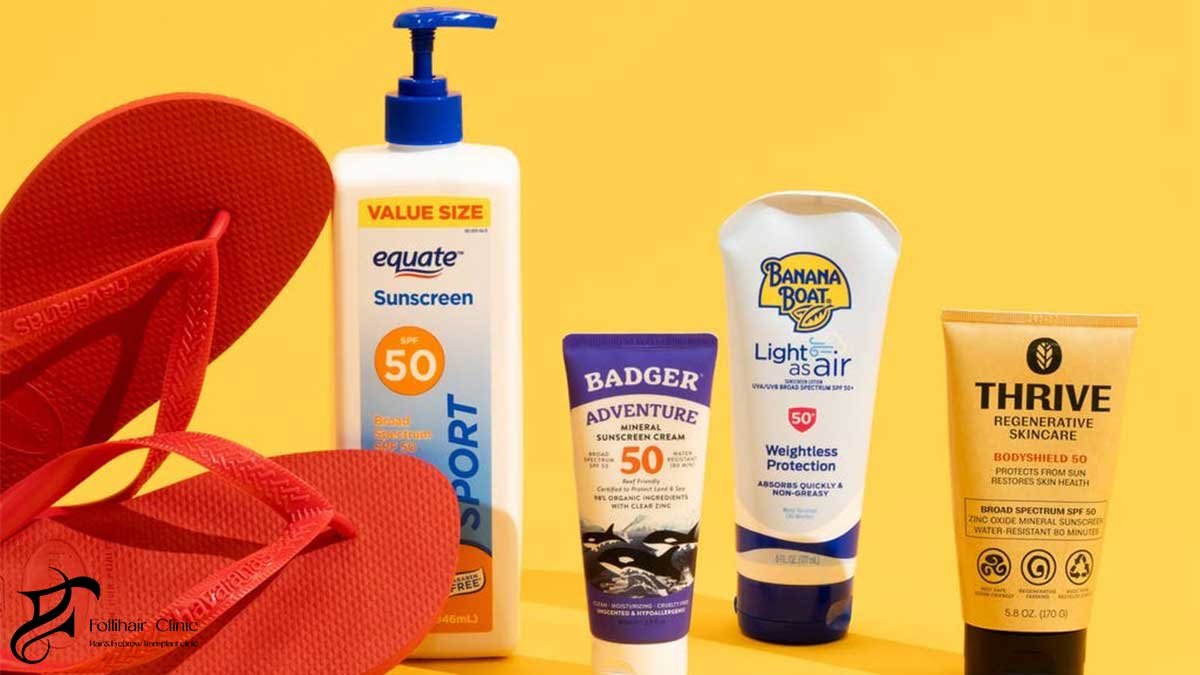
A healthy skin barrier supports resilience against environmental stressors, including UV radiation. Overly aggressive skincare routines can compromise this barrier, making the skin more reactive to sun exposure. Integrating sunscreen into a routine that respects barrier integrity is essential. Approaches aligned with Natural Facial Skin Strengthening Methods often emphasise gentle cleansing, appropriate hydration, and minimal irritation, creating an environment in which sunscreen performs optimally.
Daily Sunscreen Use in Different Environments
Urban living presents unique challenges such as pollution and reflective surfaces that can intensify UV exposure. Indoor workers are not exempt, as UVA rays penetrate windows. Outdoor workers may require water-resistant formulations and more frequent reapplication. Understanding personal exposure patterns helps refine daily sunscreen cream selection so that protection matches real-world conditions rather than ideal scenarios.
Reapplication and Realistic Expectations
No sunscreen lasts all day without reapplication, regardless of SPF or formulation. Sweat, oil production, and incidental contact gradually reduce effectiveness. For daily use, reapplication every two to four hours during prolonged exposure is generally recommended. Powder sunscreens and sprays may offer convenience, but they should complement rather than replace a well-applied base layer.
Sunscreen and Scalp or Hairline Protection
The scalp and hairline are often overlooked areas prone to sun damage, particularly in individuals with thinning hair. While sunscreens are formulated primarily for facial and body skin, awareness of scalp health is part of comprehensive sun protection. Educational discussions around How to Restore Scalp Health Naturally often highlight the role of UV exposure in scalp sensitivity, reinforcing the need for hats, shade, or suitable protective products in addition to sunscreen.
Sunscreen in Professional Skin Care Plans
For individuals undergoing professional skin treatments, sunscreen plays a critical supportive role. Procedures that affect the skin barrier or pigmentation pathways often increase sun sensitivity. In these contexts, sunscreen is not optional but essential for maintaining results and reducing adverse effects. Some clinics integrate sun protection education alongside services such as ECLADO Treatments, reinforcing sunscreen use as a foundational, not supplementary, practice.
Misconceptions About Sunscreen Safety
Concerns about sunscreen safety are common, particularly regarding chemical filters or long-term use. Regulatory bodies in Australia and internationally assess sunscreen ingredients for safety within approved concentrations. Avoiding sunscreen altogether often poses a greater risk than using approved products as directed. Evidence-informed guidance encourages balanced decision-making rather than fear-driven avoidance.
Sunscreen and Vascular or Sensitive Skin
Individuals with vascular sensitivity, redness, or conditions affecting capillaries may find sun exposure exacerbates symptoms. In such cases, sun protection supports overall skin comfort and stability. While Capillary Treatment is discussed in some dermatological contexts, daily sunscreen use remains a non-invasive, preventative measure that complements broader skin care strategies without replacing professional assessment.
Integrating Sunscreen Into a Daily Routine
The most effective sunscreen is the one that is used consistently. Integrating application into morning routines alongside cleansing and moisturising increases adherence. Applying sunscreen as the final skincare step before makeup or as a standalone product simplifies use. Over time, sunscreen becomes a habitual, automatic part of self-care rather than an added burden.
Sunscreen Use Across Life Stages
Children, adults, and older individuals all benefit from daily sun protection, though formulations and textures may vary. Early education around sunscreen use establishes lifelong habits, while continued use in adulthood supports healthy ageing. There is no age at which sunscreen becomes unnecessary, reinforcing its role as a universal preventive measure.
Evaluating Marketing Claims and Labels
Marketing language such as “dermatologist approved” or “medical grade” should be interpreted cautiously. Consumers benefit from focusing on ingredient lists, SPF rating, and broad-spectrum labeling rather than promotional terms. Daily sunscreen cream selection should be guided by evidence and personal suitability, not trends or endorsements.
When to Seek Professional Advice
Individuals with a history of skin cancer, chronic skin conditions, or complex sensitivities should seek professional guidance when selecting sunscreen. Dermatologists and qualified health practitioners can provide tailored advice based on individual risk profiles. Educational articles support awareness but do not replace personalised assessment.
Long-Term Benefits of Consistent Sunscreen Use
The benefits of daily sunscreen use accumulate gradually. Reduced pigmentation irregularities, improved texture, and delayed visible ageing are often seen over time rather than immediately. Consistency, not perfection, defines success in sun protection practices.
A Balanced Perspective on Sun Exposure
While sun protection is essential, complete sun avoidance is neither practical nor necessary. Balanced exposure, combined with protective measures, supports overall wellbeing. Sunscreen is one component of a broader sun safety approach that includes shade, clothing, and timing outdoor activities thoughtfully.
Conclusion
Choosing the right sunscreen for daily use is a practical investment in long-term skin health. Understanding ingredients, SPF, skin type compatibility, and lifestyle factors allows for informed, sustainable decisions. Daily sunscreen cream selection is not about finding a perfect product but about identifying a reliable one that fits seamlessly into everyday life. With consistent use and realistic expectations, sunscreen supports skin resilience and healthy ageing. For individuals seeking professional guidance or integrated skin health care, clinics such as follihairclinic may provide evidence-informed support within a qualified healthcare framework.