

Can Capillary Treatment Replace Hair Transplant Surgery?

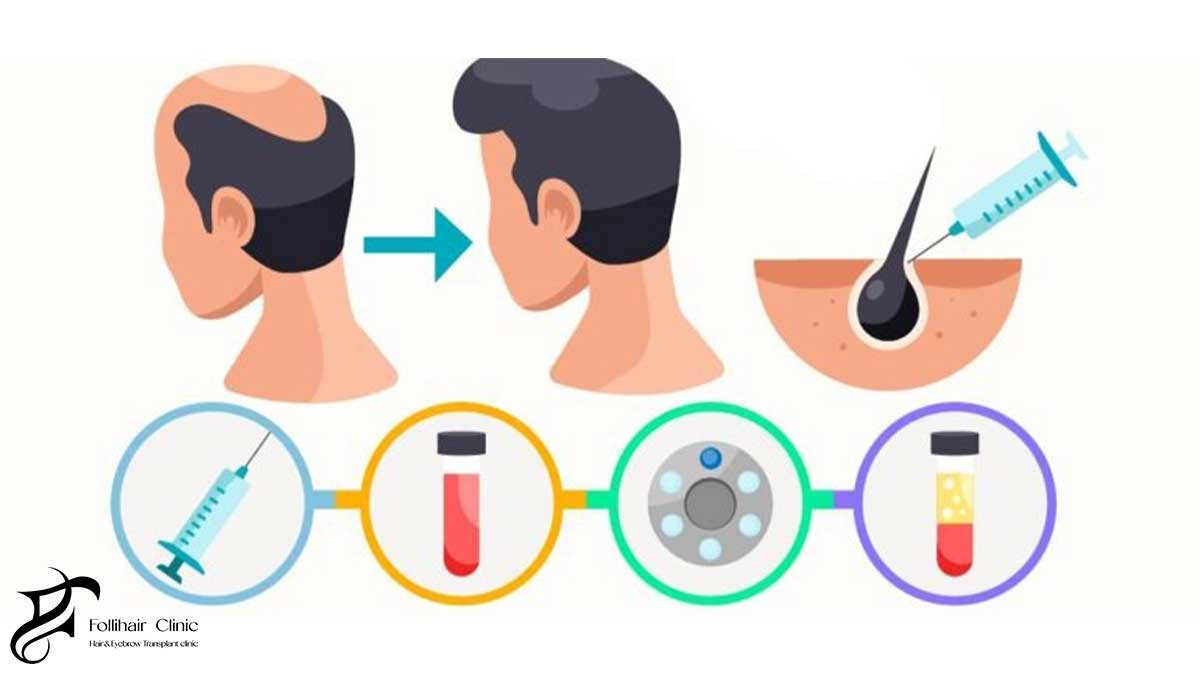
Hair loss is a common concern that affects individuals across different ages and genders, often influencing self-confidence, social interactions, and overall quality of life. As awareness grows and technology evolves, people are increasingly looking for solutions that align with their expectations, lifestyle, and medical suitability. Among the available options, surgical procedures and non-invasive cosmetic approaches are often compared, leading to a frequent question: can capillary-based solutions genuinely replace surgical intervention?
This discussion becomes particularly relevant when evaluating Capillary Treatment vs Hair Transplant, as both approaches serve different purposes and address hair loss from distinct perspectives. Understanding these differences clearly is essential before considering any decision related to appearance or long-term hair management.
Understanding the Nature of Hair Loss
Hair loss is not a single-condition issue. It can result from genetics, hormonal changes, aging, autoimmune conditions, stress, nutritional deficiencies, or medical treatments. In many cases, more than one factor contributes simultaneously. Because of this complexity, no single solution can be universally suitable.
Medical interventions are typically designed to address follicular loss or dysfunction, while cosmetic solutions focus on visual improvement. Recognizing this distinction is critical when comparing Capillary Treatment vs Hair Transplant, as the two approaches operate on entirely different biological and aesthetic principles.
What Is Capillary Treatment?
Capillary Treatment is a non-surgical cosmetic technique designed to improve the appearance of hair density on the scalp. It involves the application of specialized pigments or fibers that visually replicate the presence of hair follicles, creating the illusion of fuller hair.
This method does not interact with hair follicles, blood circulation, or biological growth cycles. Instead, it enhances scalp aesthetics by reducing contrast between the scalp and existing hair. For individuals experiencing diffuse thinning or early-stage hair loss, this approach can be appealing due to its non-invasive nature.
Within the broader category of non-surgical hair loss solutions, Capillary Treatment is often chosen by individuals who are not candidates for surgery or who prefer cosmetic enhancement without medical procedures.
What Does a Hair Transplant Involve?
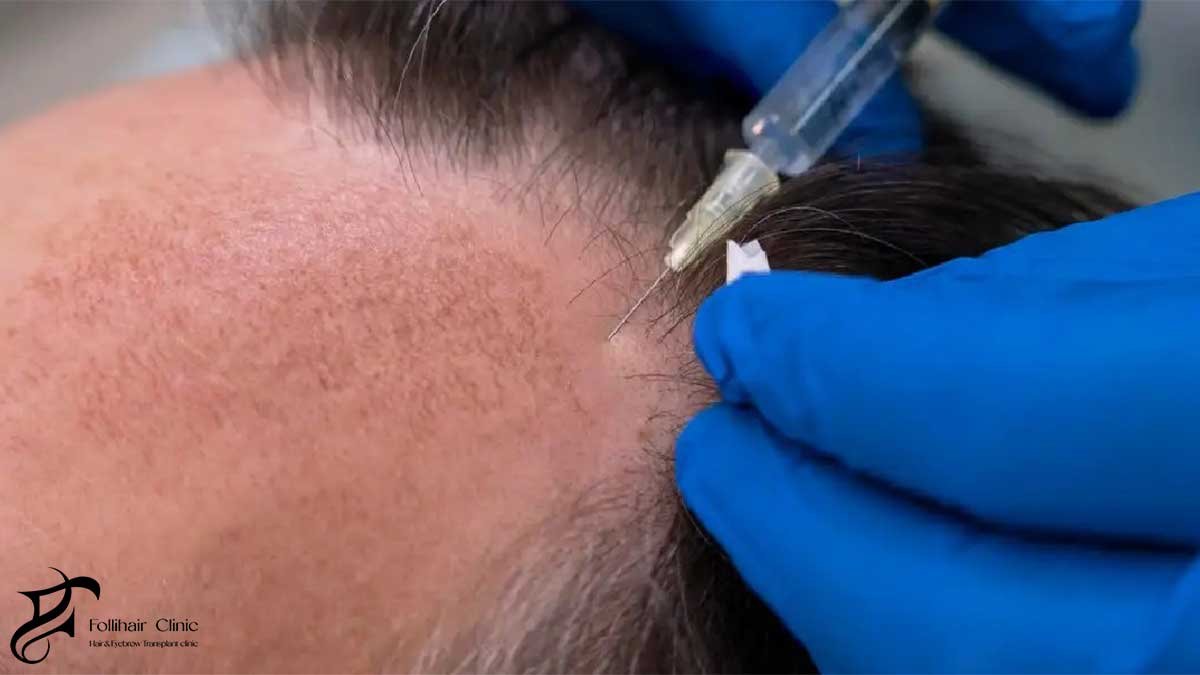
A hair transplant is a medical procedure that relocates hair follicles from one part of the scalp, usually the donor area, to regions experiencing hair loss. It requires clinical assessment, procedural planning, and post-treatment monitoring.
Because this method involves surgical techniques, recovery time, and biological healing, outcomes depend on multiple factors including individual physiology, donor hair quality, and adherence to aftercare guidelines. In discussions surrounding Capillary Treatment vs Hair Transplant, this distinction is crucial: one is cosmetic and reversible, while the other is medical and permanent in nature.
Key Differences in Purpose and Outcome
The most fundamental difference lies in intent. Capillary-based techniques aim to enhance appearance without altering biology. Surgical procedures aim to restore hair growth by relocating follicles.
This is why Capillary Treatment vs Hair Transplant should not be framed as competing solutions, but rather as approaches designed for different goals. One addresses visual perception, the other addresses biological structure.
In clinical contexts, these methods are sometimes used in combination rather than in opposition, depending on patient expectations and medical suitability.
Suitability and Candidate Considerations
Not everyone experiencing hair loss is a suitable candidate for surgical intervention. Factors such as age, pattern of hair loss, medical history, and scalp condition all play a role. Similarly, cosmetic treatments may not meet the expectations of individuals seeking follicular regrowth.
Those exploring non-surgical hair loss solutions often prioritize minimal downtime, reversibility, and visual improvement without medical risk. In contrast, individuals considering surgical approaches typically seek long-term structural change and are prepared for recovery and follow-up care.
Understanding candidacy helps clarify why Capillary Treatment vs Hair Transplant is not a question of replacement, but of appropriateness.
Managing Expectations Realistically
One of the most common challenges in hair restoration discussions is expectation management. Cosmetic treatments do not stimulate hair growth, and surgical procedures do not guarantee uniform density or identical results for all individuals.
Ethical communication requires clarity, especially in line with healthcare advertising standards. When comparing Capillary Treatment vs Hair Transplant, it is important to understand that each method has limitations as well as benefits.
This is particularly relevant for individuals researching various Hair Loss Treatments, where marketing claims can sometimes blur the line between cosmetic enhancement and medical intervention.
Recovery, Maintenance, and Longevity

Capillary-based approaches typically require maintenance sessions to preserve appearance, as pigments or fibers may fade over time. Surgical interventions involve an initial recovery period followed by long-term outcomes that depend on follicular survival and overall scalp health.
In this context, Capillary Treatment vs Hair Transplant also differs in terms of time commitment. One requires ongoing aesthetic upkeep, while the other involves a more intensive initial process with less frequent long-term intervention.
Psychological and Lifestyle Factors
Hair loss affects individuals differently. For some, subtle visual improvement significantly enhances confidence. For others, the desire for biological restoration outweighs concerns about recovery or invasiveness.
Lifestyle factors such as work schedules, social commitments, and tolerance for downtime often influence the decision-making process. This reinforces why Capillary Treatment vs Hair Transplant cannot be reduced to a simple better-or-worse comparison.
Combining Approaches for Balanced Results
In certain cases, individuals choose to combine cosmetic and medical methods to achieve a balanced outcome. For example, cosmetic enhancement may be used to improve visual density while waiting for surgical results to stabilize.
This integrated perspective aligns with modern approaches to appearance management, where individualized planning is prioritized over one-size-fits-all solutions. It also reflects a growing understanding that Capillary Treatment vs Hair Transplant can coexist rather than compete.
Safety, Ethics, and Professional Guidance
Any decision related to appearance or medical procedures should be guided by qualified professionals. Ethical practice emphasizes informed consent, realistic outcomes, and avoidance of misleading claims.
In Australia, this aligns with professional standards that prioritize patient education and transparency. Whether considering cosmetic enhancement or surgical intervention, individuals should seek advice tailored to their specific situation rather than relying on generalized comparisons.
Final Thoughts
Ultimately, Capillary Treatment cannot replace a hair transplant in terms of biological function, just as surgery cannot replicate the immediacy and non-invasive nature of cosmetic solutions. The question is not which method is superior, but which aligns best with personal goals, expectations, and circumstances.
Understanding Capillary Treatment vs Hair Transplant as complementary rather than conflicting options allows for more informed and confident decision-making. For those seeking guidance, reputable clinics such as follihairclinic emphasize education, ethical communication, and individualized assessment to help people navigate their options responsibly.