

Hair Loss Differences Between Men and Women

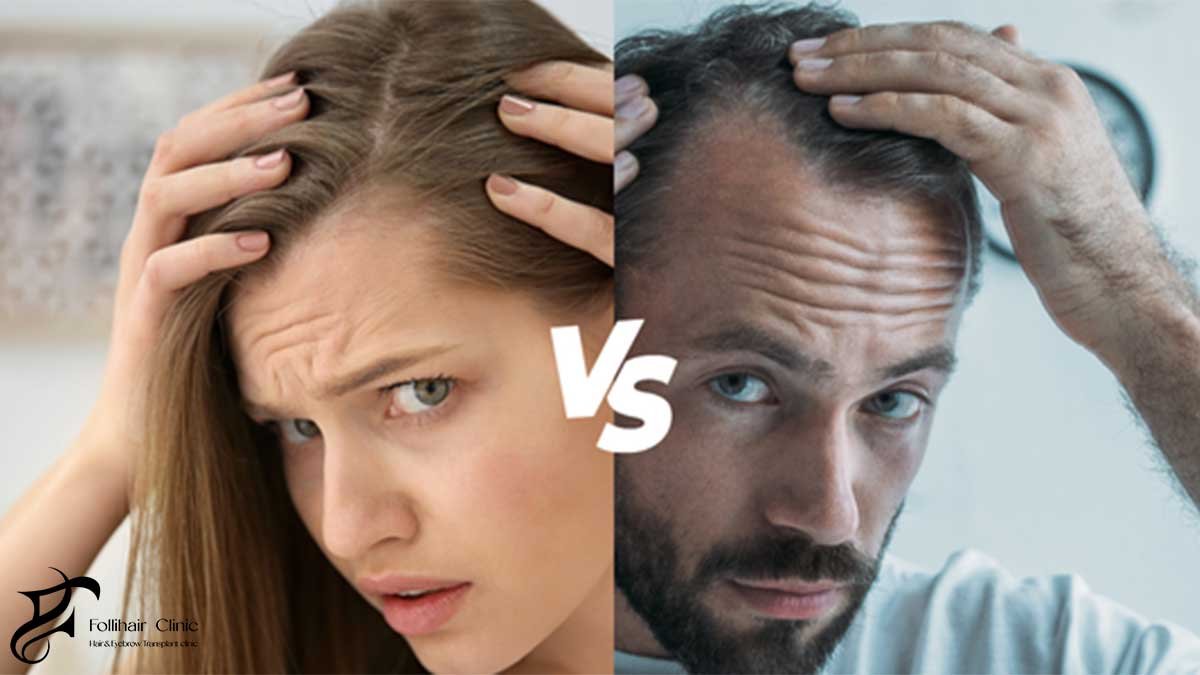
Hair loss is a common concern that affects individuals of all genders, yet its patterns, underlying causes, and progression can differ significantly between men and women. Understanding these variations is essential for accurate assessment and informed decision-making. While hair loss is often perceived as a predominantly male issue, women experience hair thinning and shedding at comparable rates, though with different clinical presentations.
This article focuses on hair loss differences between men and women from an evidence-based perspective. It is designed for educational purposes only and does not replace professional medical advice. Individual experiences may vary, and proper diagnosis typically requires clinical evaluation by qualified healthcare professionals.
Biological and Hormonal Foundations of Hair Growth
Hair follicles are highly sensitive to hormonal signals. Androgens, estrogens, thyroid hormones, and cortisol all influence the hair growth cycle. While both men and women share similar follicular biology, the way these hormones interact with hair follicles can differ substantially.
In men, androgen sensitivity—particularly to dihydrotestosterone (DHT)—plays a major role in patterned hair loss. In women, hormonal fluctuations across life stages such as pregnancy, postpartum periods, and menopause may contribute to diffuse thinning. These distinctions form a foundational aspect of hair loss differences between men and women.
Male Pattern Hair Loss: Typical Characteristics
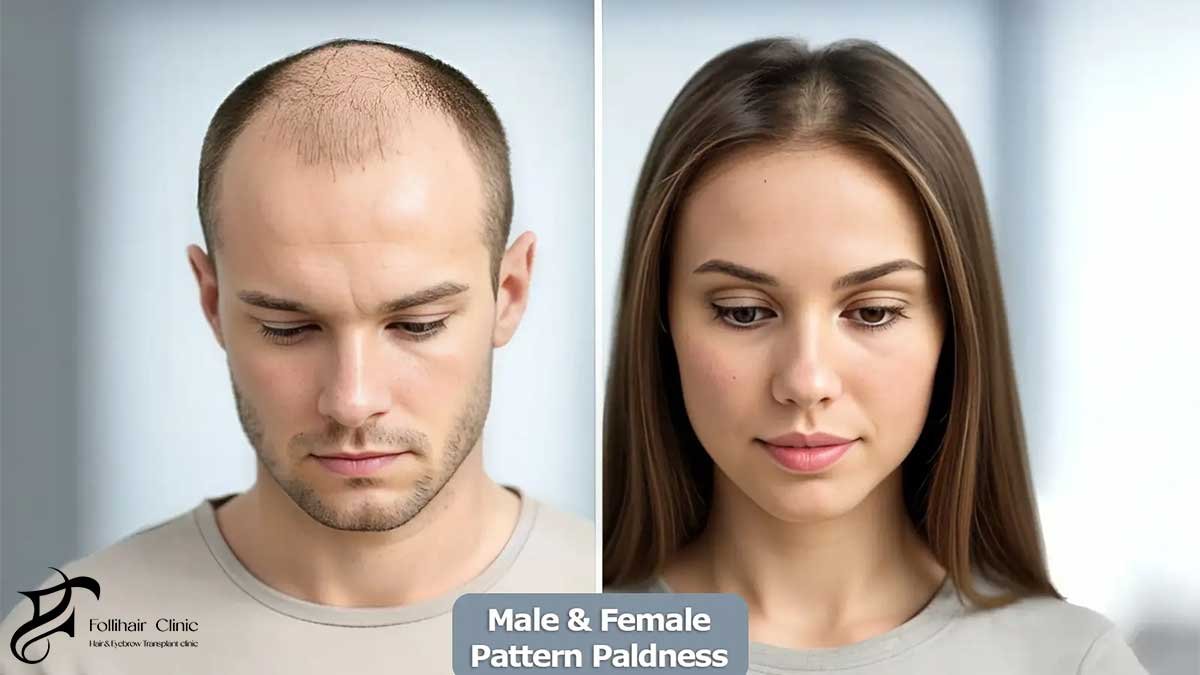
Male pattern hair loss, clinically known as androgenetic alopecia, often follows a predictable pattern. Recession at the temples and thinning at the crown are commonly observed. Over time, these areas may progress to more extensive hair loss depending on genetic predisposition and androgen sensitivity.
Although genetics play a central role, lifestyle and health factors may also influence progression. Understanding The Hidden Reasons Behind Hair Loss in men often requires evaluating not only hereditary patterns but also stress levels, metabolic health, and overall wellbeing.
Female Pattern Hair Loss: Distinct Presentation
In women, hair loss typically presents as diffuse thinning across the scalp rather than distinct bald patches. The frontal hairline is often preserved, while overall volume gradually decreases. This pattern can be particularly distressing due to its subtle but progressive nature.
Female hair loss may be associated with hormonal changes, nutritional deficiencies, autoimmune conditions, or stress-related triggers. These factors contribute to the broader conversation around hair loss differences between men and women, especially when hair shedding occurs without a strong family history.
Role of Genetics in Men and Women
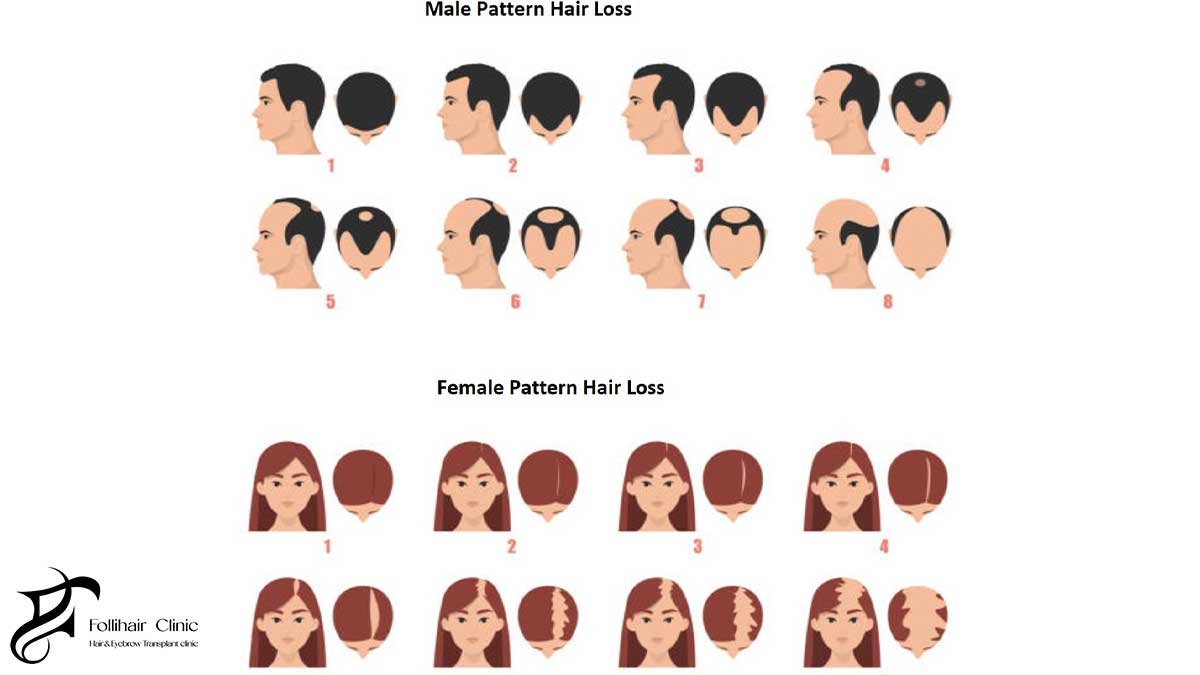
Genetics influence hair loss risk in both men and women, but inheritance patterns and expression differ. Male pattern hair loss often manifests earlier in life and progresses more rapidly. In contrast, women may experience genetic hair thinning later in adulthood, often exacerbated by hormonal transitions.
However, not all cases are purely hereditary. Many individuals experience non-genetic hair loss, which highlights the importance of comprehensive assessment rather than assumptions based solely on family history.
Lifestyle Factors and Their Impact on Hair Health
Lifestyle choices may indirectly affect hair growth by influencing inflammation, circulation, and nutrient availability. Poor sleep quality, chronic stress, smoking, and dietary patterns can all play a role in hair health.
Discussions around How Alcohol and Fast Food Consumption Affects Skin and Hair Quality demonstrate how oxidative stress and micronutrient imbalance may influence hair structure and density over time. These lifestyle-related contributors can affect both genders, though the clinical impact may vary.
Stress and Hair Loss Responses in Different Genders
Psychological and physiological stress can disrupt the normal hair growth cycle, leading to conditions such as telogen effluvium. This type of hair loss often occurs several months after a stressful event and may affect men and women differently.
Women are statistically more likely to experience stress-related hair shedding, particularly during hormonal transitions. This distinction further reinforces observed hair loss differences between men and women in clinical practice.
Medical Conditions Linked to Hair Loss
Underlying medical conditions may contribute to hair loss in both genders. Thyroid disorders, iron deficiency, autoimmune diseases, and chronic inflammation can all affect follicle function.
In women, iron deficiency and thyroid imbalance are commonly evaluated during hair loss assessments. In men, metabolic conditions and androgen-related disorders may be more frequently investigated. These variations highlight the need for personalised evaluation.
Scalp Health and Hair Follicle Environment
A healthy scalp environment supports optimal hair growth. Conditions such as dermatitis, folliculitis, or excessive oil production may interfere with follicular function and hair shaft quality.
Scalp-related issues may present differently in men and women due to differences in skin thickness, sebum production, and grooming practices. Addressing scalp health is a key component of managing hair loss differences between men and women.
Diagnostic Approaches in Clinical Settings
Accurate diagnosis is essential for appropriate management. Clinical assessment may include scalp examination, medical history, laboratory testing, and sometimes imaging or microscopic analysis.
Evidence-based clinics offering Hair Loss Treatments focus on identifying contributing factors rather than applying a one-size-fits-all approach. This is particularly important given the variability observed between male and female hair loss patterns.
Treatment Considerations and Individualised Care
Management strategies for hair loss depend on the underlying diagnosis and individual circumstances. Options may include medical therapies, lifestyle modifications, nutritional support, or procedural interventions.
In selected cases, procedures such as Hair Transplant may be discussed, particularly when hair loss is stable and appropriately assessed. It is important to note that outcomes vary, and not all individuals are suitable candidates.
Psychological and Emotional Aspects of Hair Loss
Hair loss can have a significant emotional impact, regardless of gender. However, societal expectations may influence how men and women perceive and cope with hair changes.
Women often report greater psychological distress related to diffuse thinning, while men may experience concerns related to visible pattern loss. Addressing emotional wellbeing is an important aspect of holistic care.
Preventive Strategies and Early Intervention
Early recognition of hair changes allows for timely assessment and potential intervention. Preventive strategies may include managing stress, optimising nutrition, avoiding excessive hair trauma, and seeking professional advice when changes are noticed.
Education around hair loss differences between men and women empowers individuals to recognise normal variations versus signs that warrant further evaluation.
Long-Term Monitoring and Expectations
Hair loss is often a chronic and dynamic process. Ongoing monitoring and realistic expectations are essential components of management. Responses to treatment can vary widely based on genetics, health status, and adherence to care plans.
Clinics that follow Australian regulatory standards emphasise transparency, informed consent, and patient education throughout the care process.
Conclusion
Hair loss affects both men and women, but its causes, patterns, and progression can differ significantly. Understanding hair loss differences between men and women helps guide appropriate assessment and management while avoiding oversimplified assumptions.
This article is intended for general educational purposes and should not be considered medical advice. For personalised evaluation and evidence-based care, consultation with qualified professionals is recommended. Clinics such as follihairclinic focus on patient-centred assessment and management aligned with AHPRA guidelines.