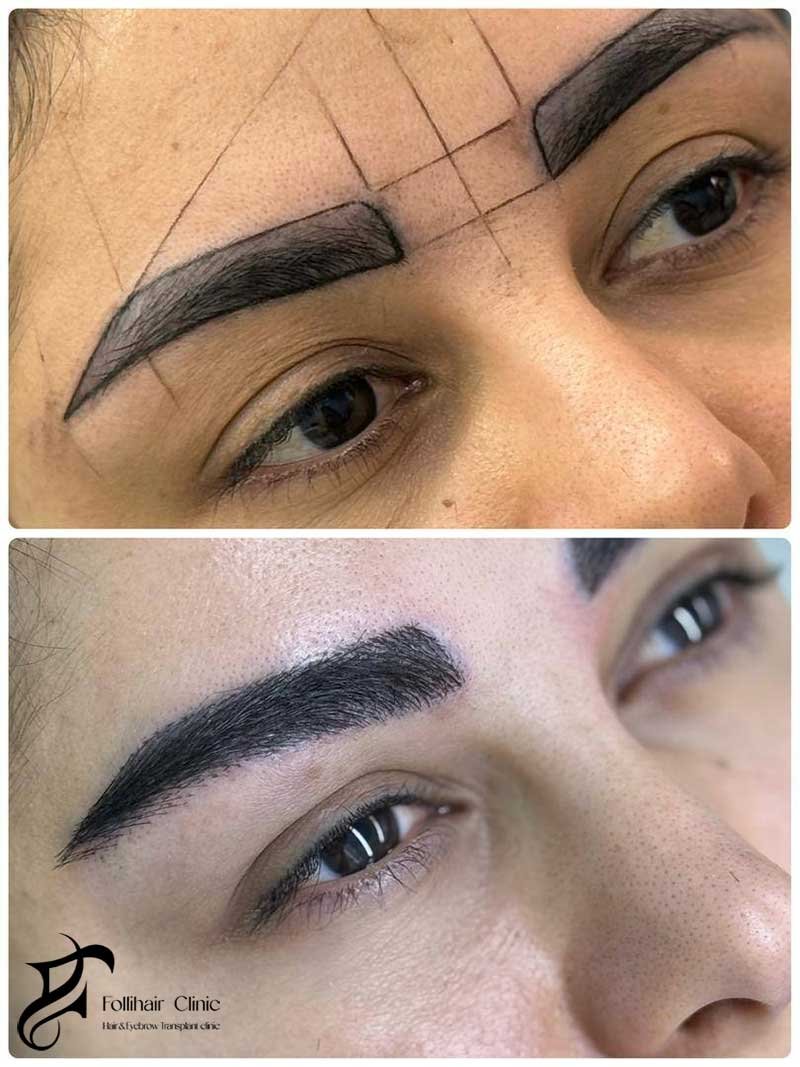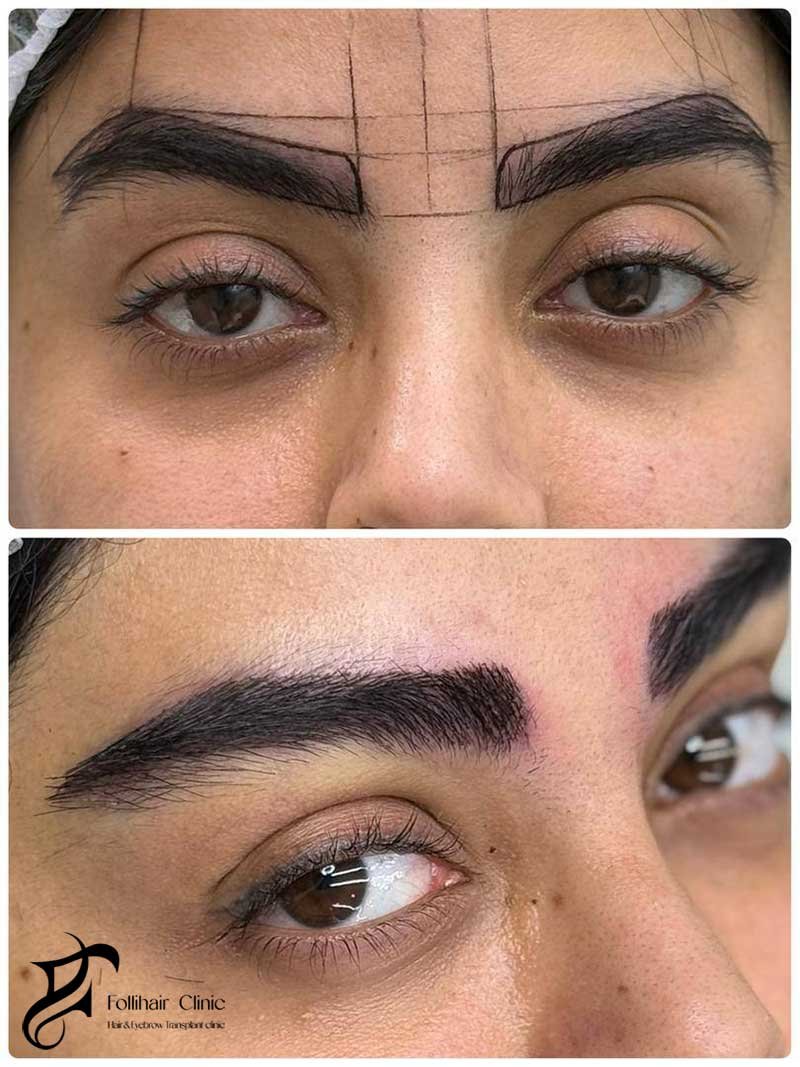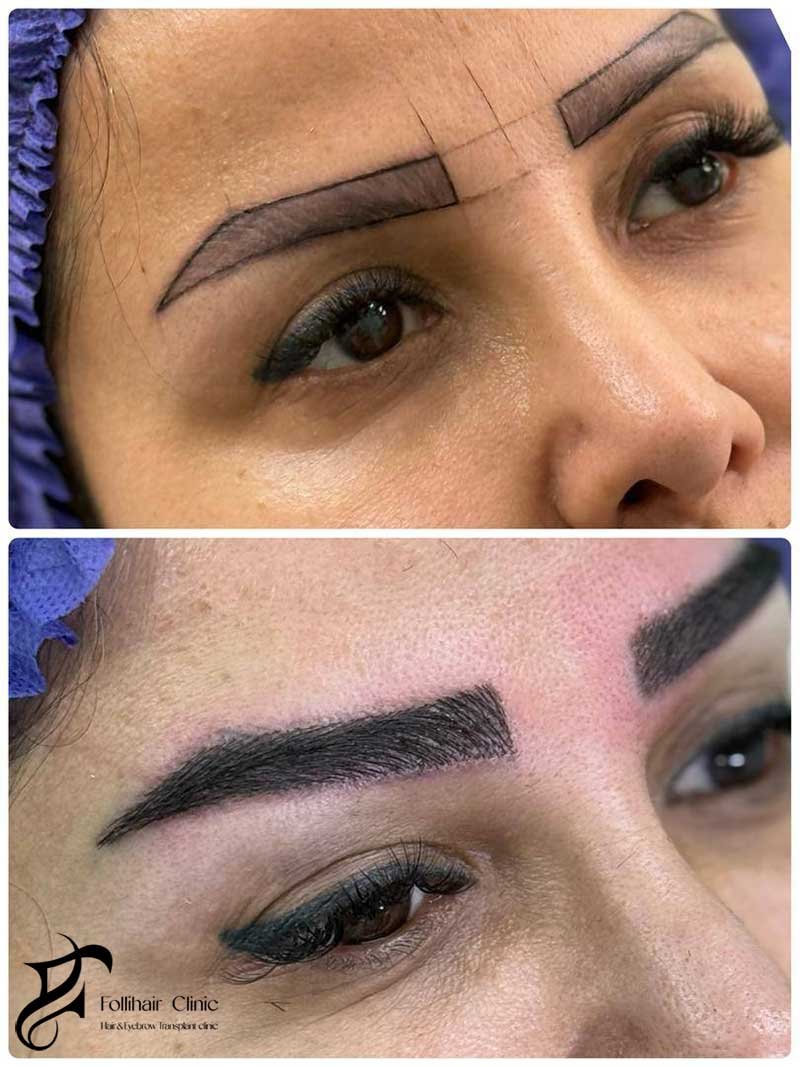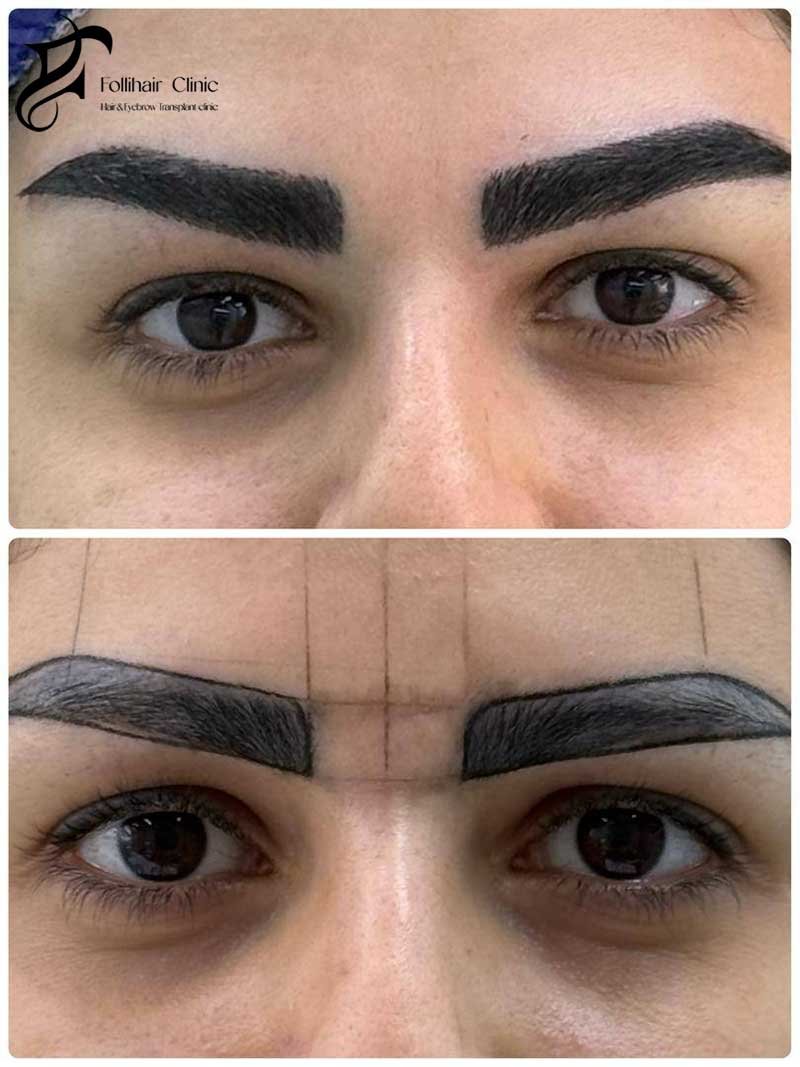

Eyebrow Transplant
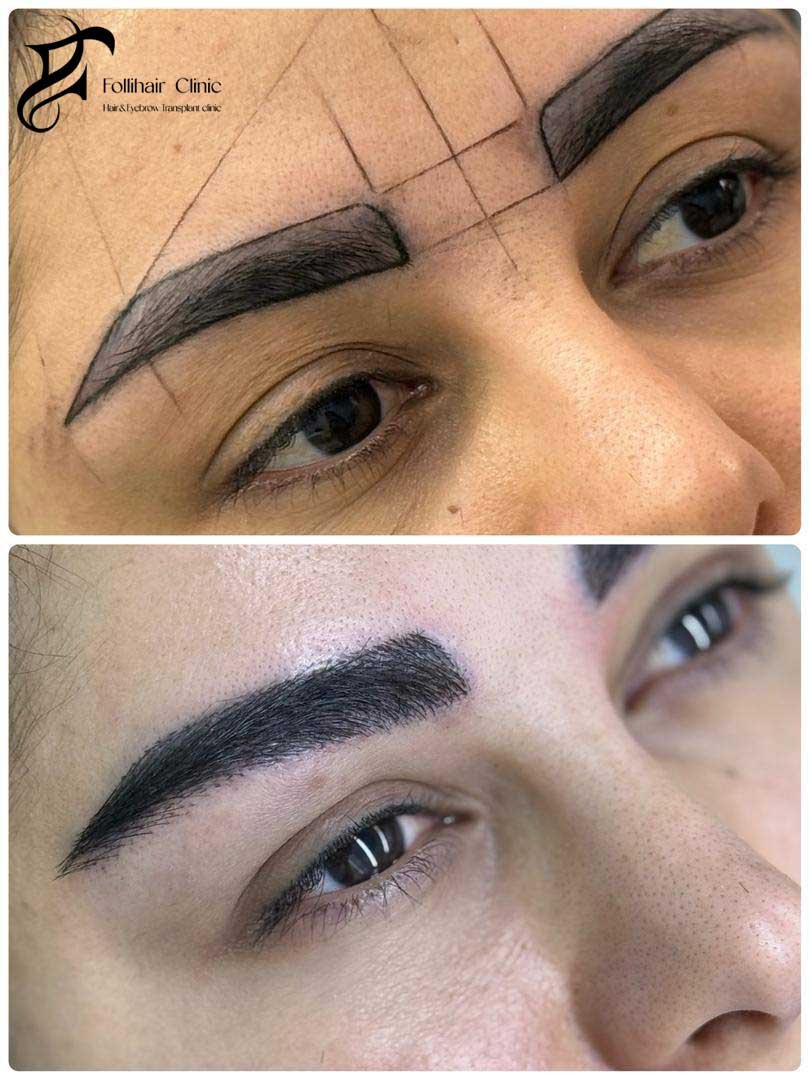
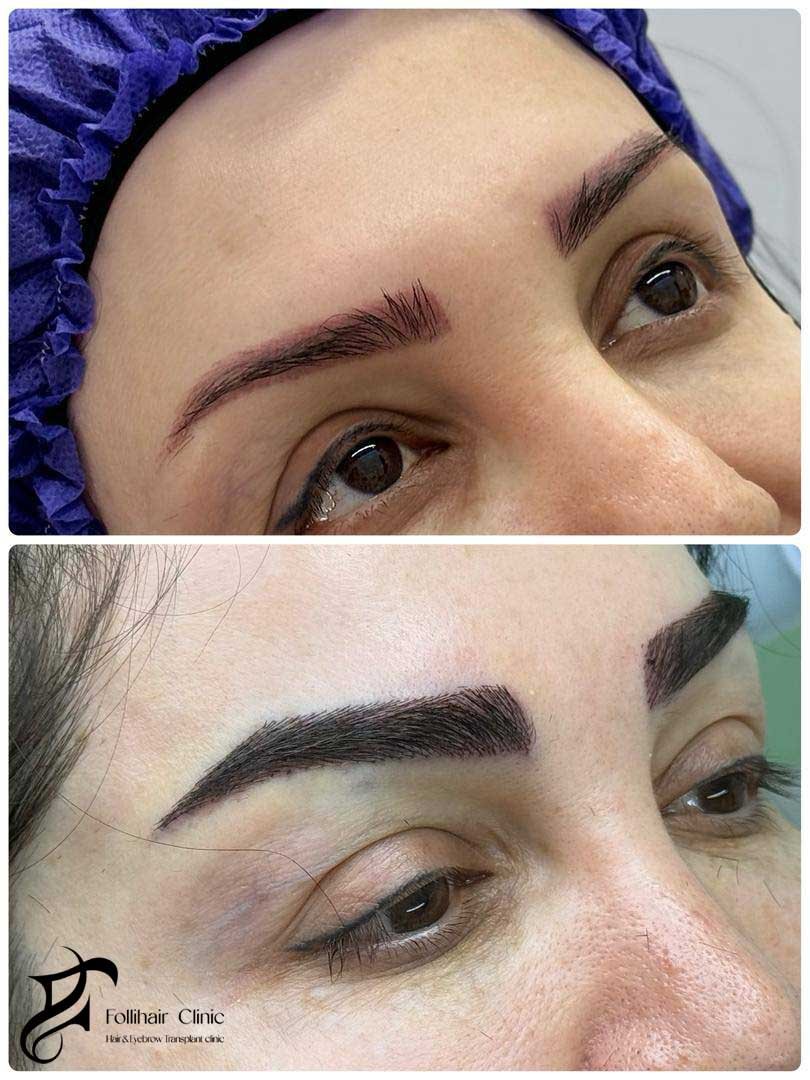
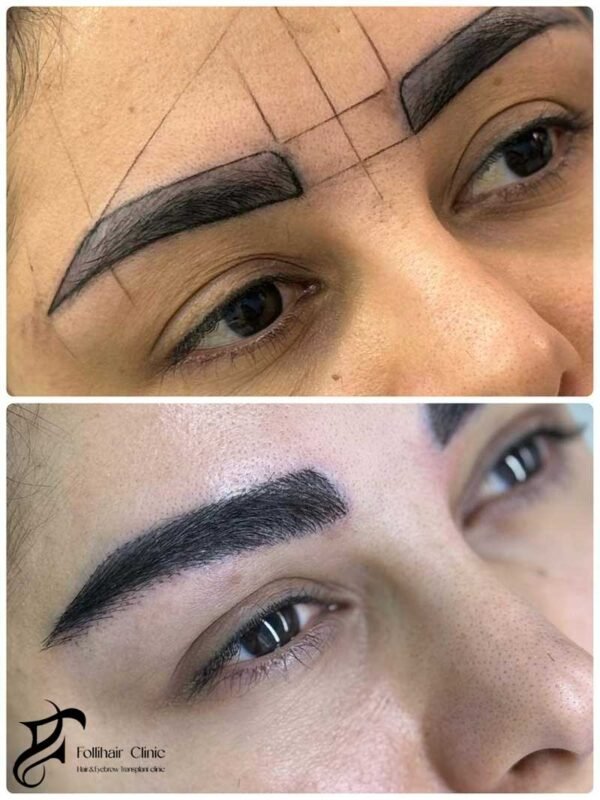
Eyebrow transplant uses your own hair follicles to enhance eyebrow density and shape. Results vary for each individual and will be discussed during consultation.
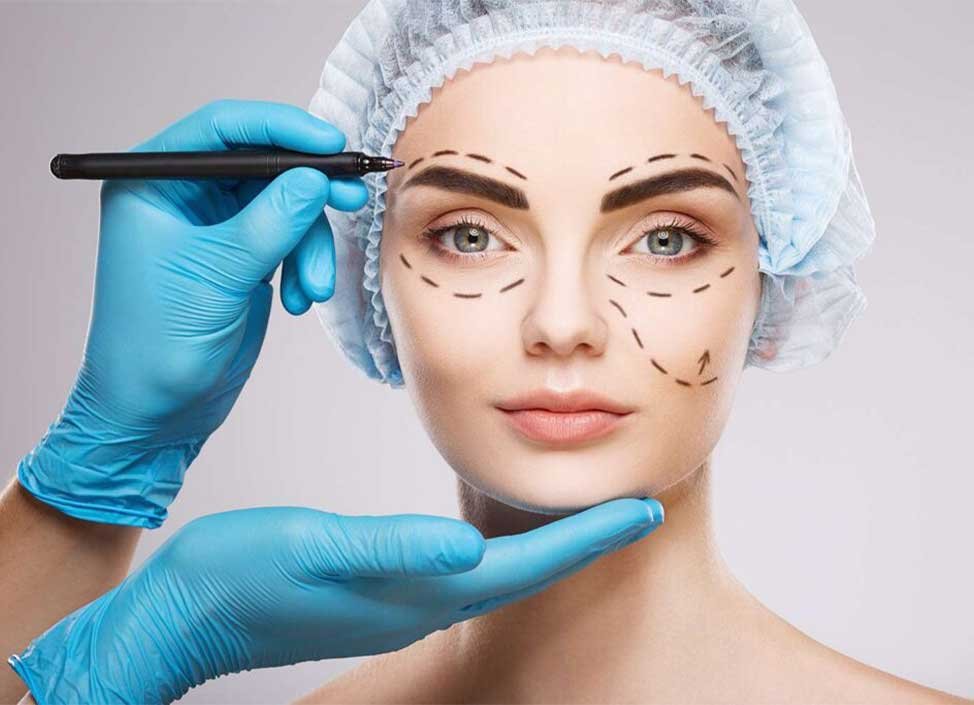
What is eyebrow transplant?
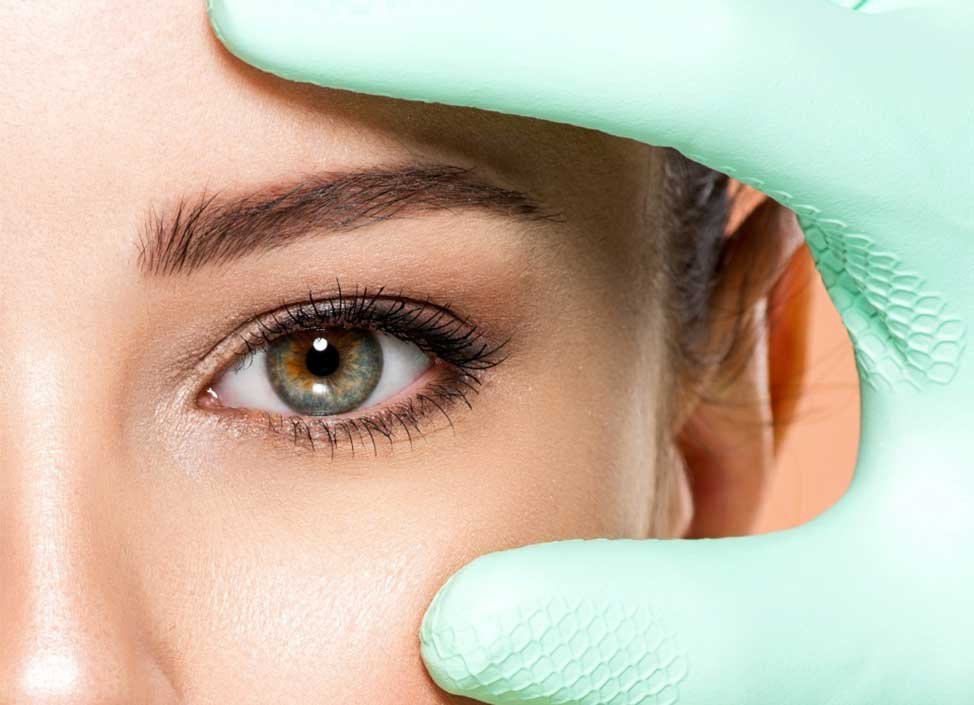
An eyebrow transplant is a cosmetic procedure that uses your own hair follicles, usually from the scalp, to improve the density and shape of the eyebrows. At Follihair Clinic Australia, our team uses transplant methods designed to achieve a natural appearance.
This procedure may be considered for people with thin brows, areas of hair loss from over-plucking, scarring, or certain medical conditions. Individual results vary, and suitability is assessed during consultation.
Why Eyebrow Transplant?
An eyebrow transplant is a procedure that uses your own hair follicles, usually from the scalp, to improve eyebrow density and shape. Results vary for each individual and suitability is assessed during consultation.
Appearance
Uses your own hair follicles, which may provide a natural-looking result.
Long-Term Growth
Transplanted hairs typically continue to grow like normal hair.
Fuller Brows
Can increase density and redefine eyebrow shape.
Individual Outcomes
Each person’s results are different and depend on factors such as hair type and healing.
Minimal Scarring
Modern techniques are designed to reduce visible scarring.
Ongoing Care
Transplanted hairs generally require the same care as natural eyebrow hair.
Eyebrow transplantation steps in follihairclinic
At Follihair Clinic, the process generally involves a consultation to discuss your goals, assessment of donor hair, and placement of follicles into the eyebrow area. Outcomes vary for each individual and will be discussed during consultation.
Consultation & Planning
We begin with a consultation to discuss your goals, review your medical history, and plan a suitable eyebrow shape that aligns with your facial features.
Donor Hair Extraction
Hair follicles are taken from the back of the scalp using transplant methods designed to reduce discomfort and visible scarring.
Implantation
Follicles are placed into the eyebrow area, following the natural direction of growth as much as possible.
Aftercare & Follow-up
You’ll receive aftercare instructions and follow-up appointments are arranged. Outcomes vary for each individual.
Book a Free Consultation
Call us today and book your free consultation at Follihair Clinic
Our Portfolio
Our Portfolio
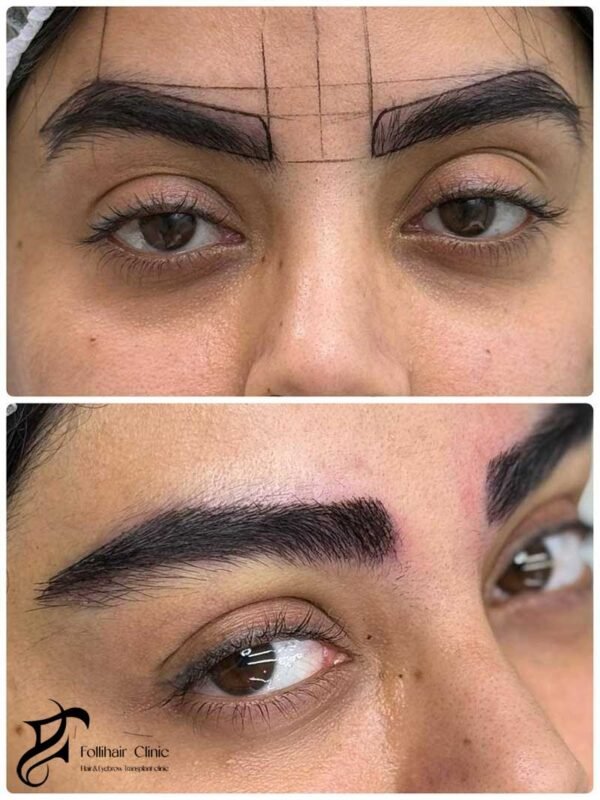
- Eyebrow Transplant
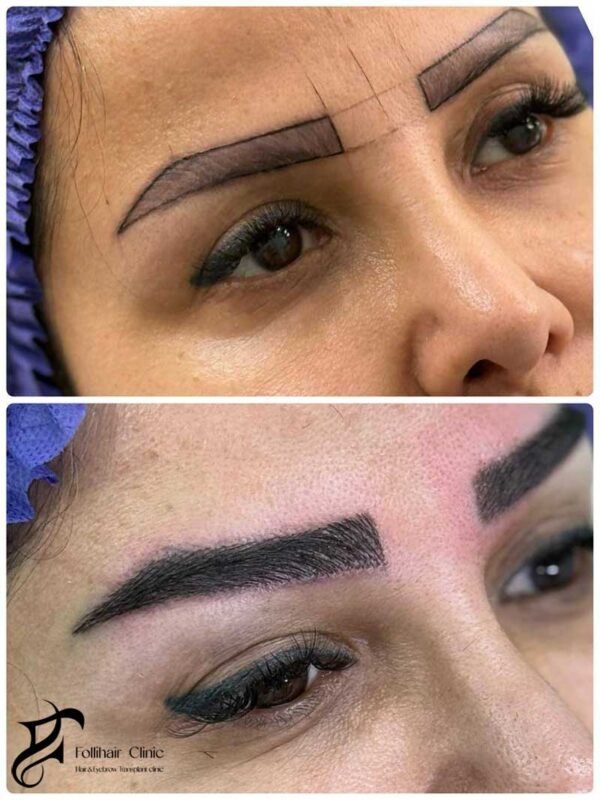
- Eyebrow Transplant
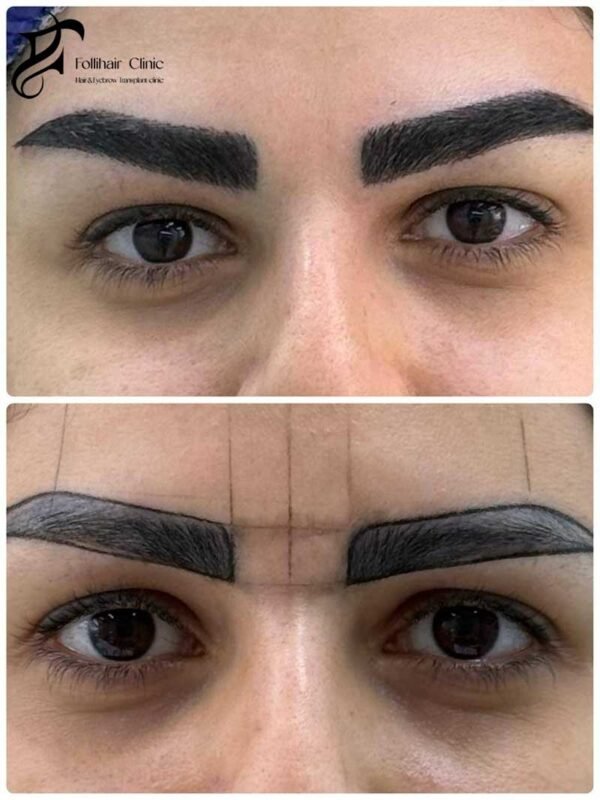
- Eyebrow Transplant
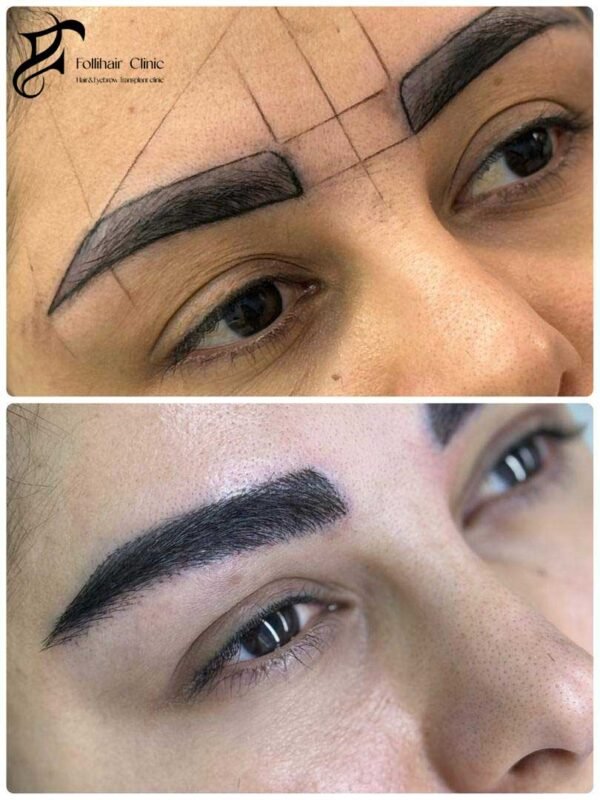
- Eyebrow Transplant
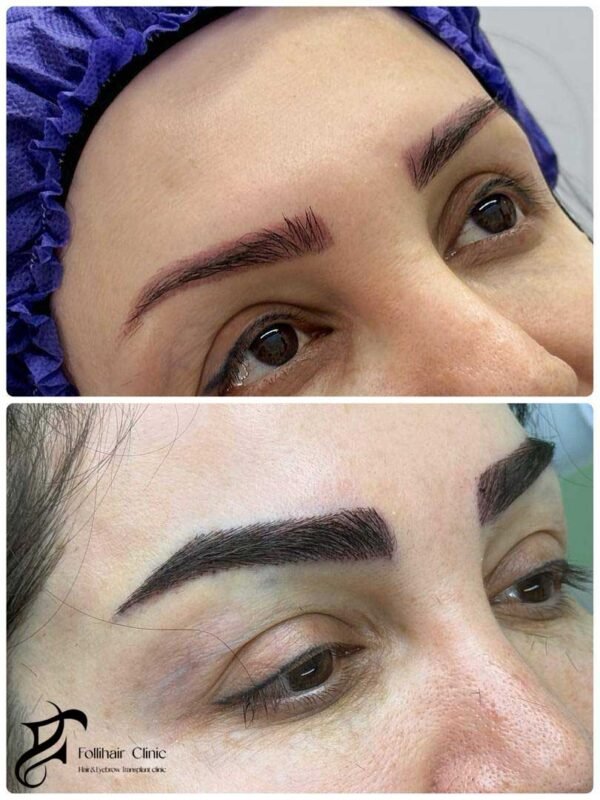
- Eyebrow Transplant
Load more projects
Loading...
Other Services

Eyebrow Transplant

Hair Loss Treatments

Hair Transplant

Laser Hair Removal

Capillary Treatment

ECLADO Korean Facial Treatments

FACIAL MICRONEEDLING

Laser Genesis

Pigmentation & Melasma Treatments

Treating rosacea and active acne

Vitamin Infusion & IV Therapy

Filler and Botox injections


Eyebrow Transplant – Frequently Asked Questions
1. Does eyebrow transplantation hurt?
The procedure is performed under local anaesthesia. Patients may feel some discomfort, but this is generally limited during the procedure.
2. How long does the procedure take?
An eyebrow transplant session usually takes around 5–7 hours, depending on the number of follicles transplanted and individual factors.
3. When will I see results?
Transplanted hairs often shed within the first few weeks. Regrowth may begin around 3–4 months, with changes continuing over 9–12 months. Outcomes vary between individuals.
4. Will there be scars?
Modern techniques are designed to reduce visible scarring. However, all surgical procedures carry some risk of scarring, which can differ from person to person.
5. How long do transplanted eyebrows last?
Transplanted follicles may continue to grow over time. The degree of growth and long-term outcome varies between individuals.
6. Can I shape my brows after the procedure?
Once the transplanted hairs have grown, they can generally be trimmed or shaped, similar to your own eyebrow hair.
7. Who is a good candidate for eyebrow transplantation?
Suitability depends on factors such as hair type, donor area availability, and overall health. People with thinning or sparse eyebrows due to genetics, over-plucking, scarring, or medical conditions may be considered, following a consultation.
8. Is there any special aftercare?
After the procedure, patients receive aftercare instructions. These usually include gentle cleansing, avoiding sun exposure, and attending follow-up appointments. Following advice helps support healing.