
follihairclinic
Confidence starts with your hair
Welcome to Follihair Clinic
At Follihair Clinic, we provide hair and eyebrow transplantation procedures that use your own hair follicles to address areas of thinning or loss. We recognise that hair loss can be a concern for many people, and our approach focuses on careful assessment, patient safety, and individualised treatment planning.
Suitability and outcomes vary, and these are discussed in detail during consultation.
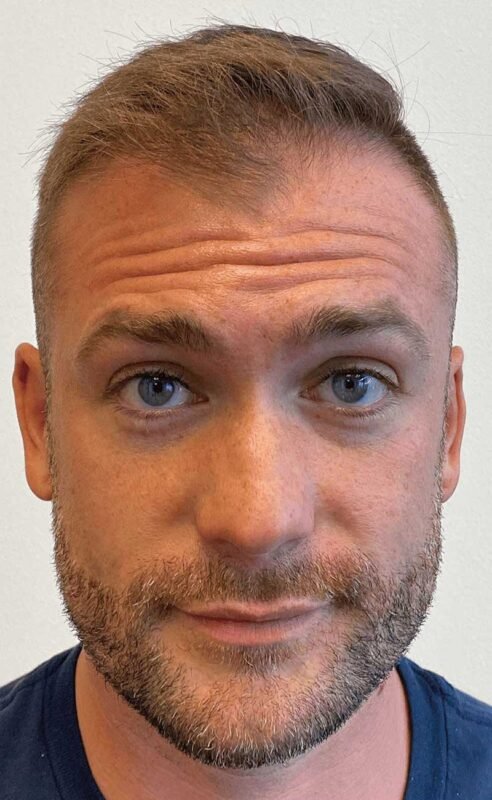
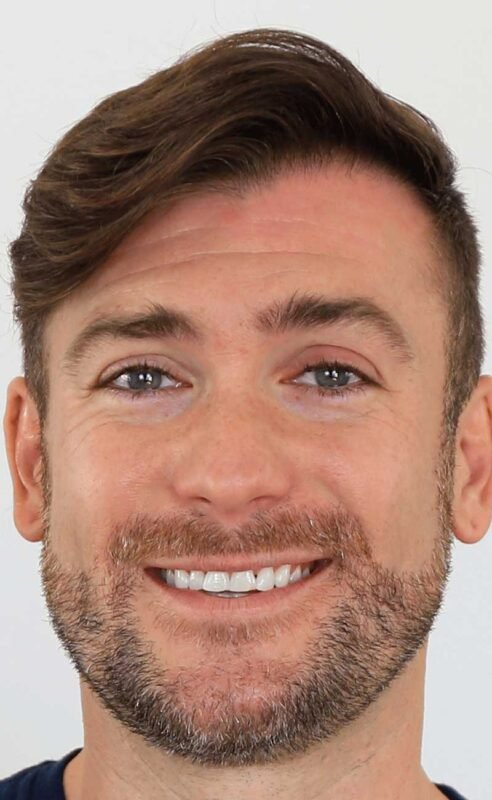
Why Hair Transplant at Follihair Clinic?
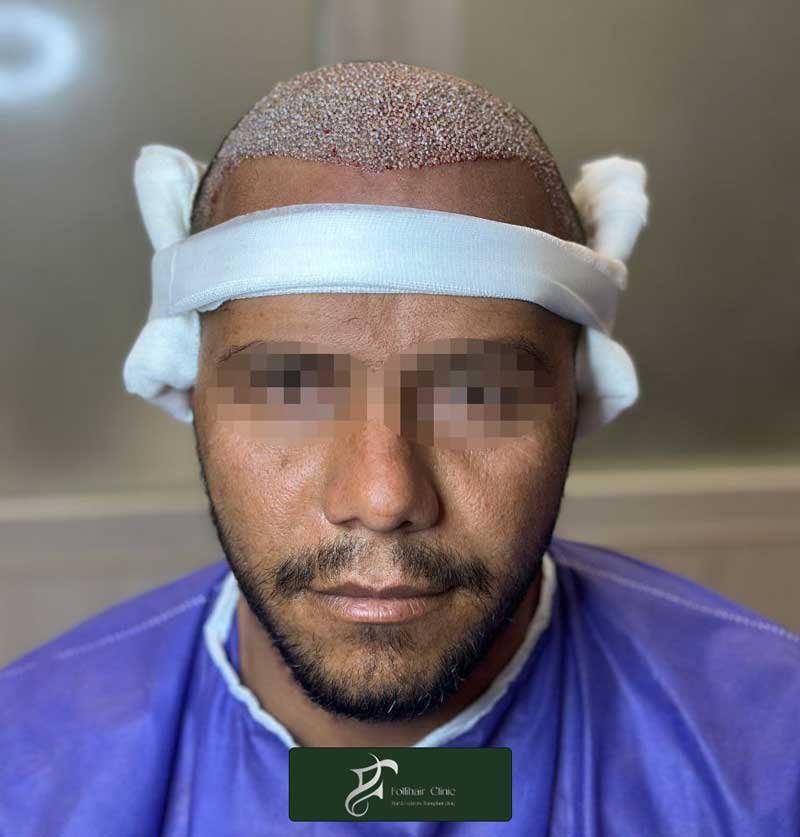
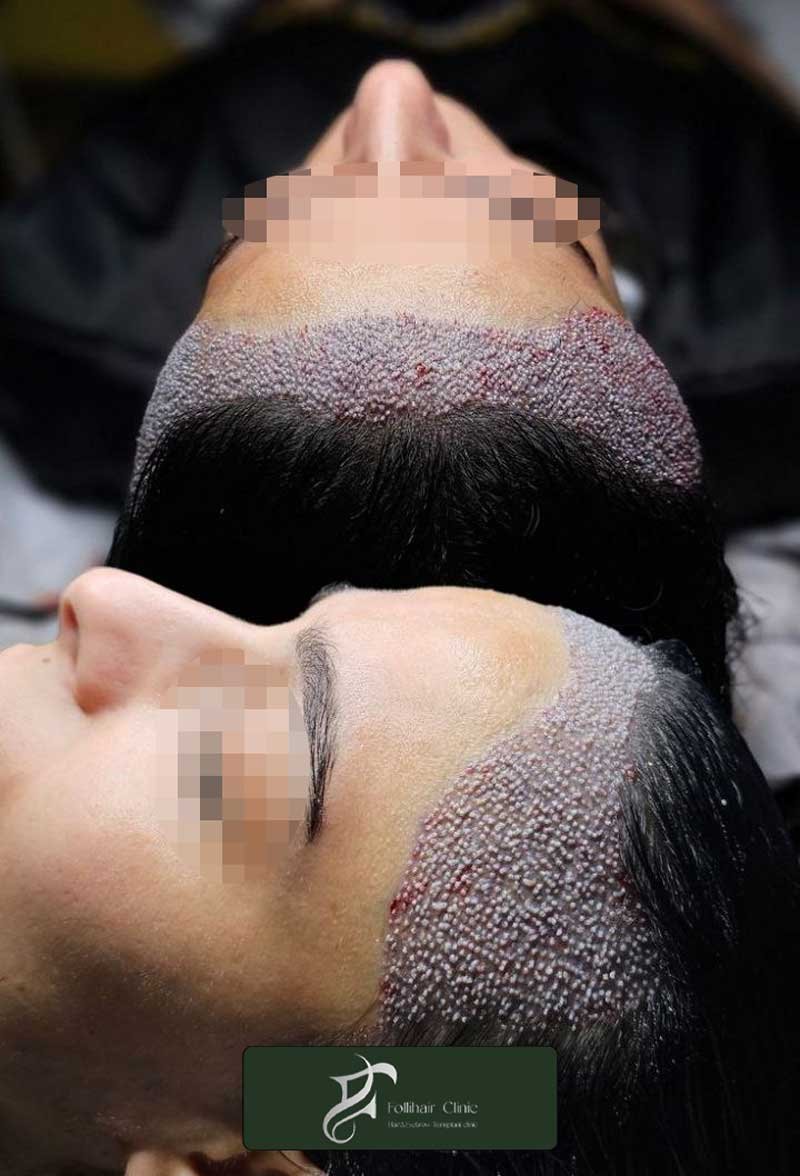
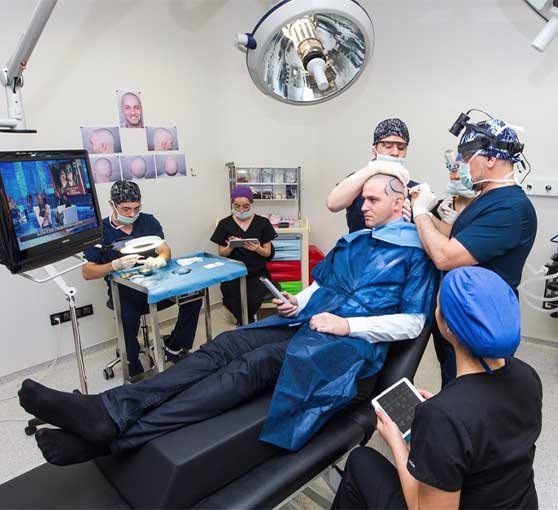
At Follihair Clinic, hair transplantation procedures are performed using established surgical techniques such as Follicular Unit Extraction (FUE). These involve removing hair follicles from a donor area (commonly the scalp) and placing them into areas of thinning or hair loss.
During consultation, your clinician will discuss your medical history, assess your suitability, and outline the treatment process. The aim is to use your own hair follicles to improve density in selected areas. Outcomes and recovery vary between individuals, and these will be explained in detail before you decide to proceed.
The effects of Hair Transplant at Follihair Clinic
Consultation & Planning
Hair transplantation involves moving hair follicles from a donor area (commonly the scalp) to areas of thinning or loss. At Follihair Clinic, patients attend a consultation where medical history, suitability, and treatment options are discussed.
Appearance & Coverage
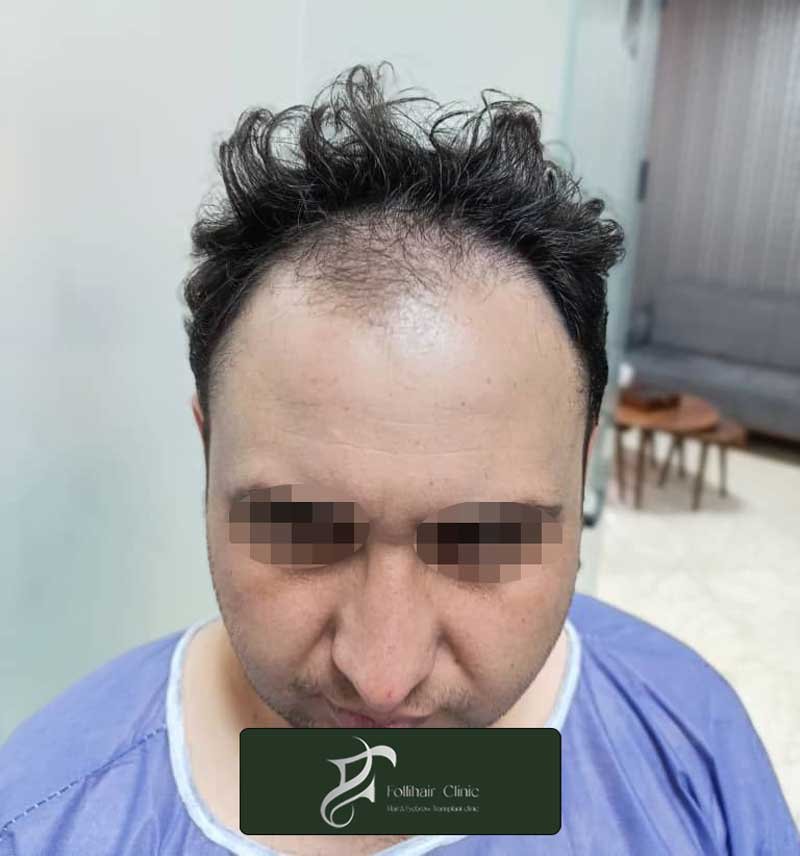
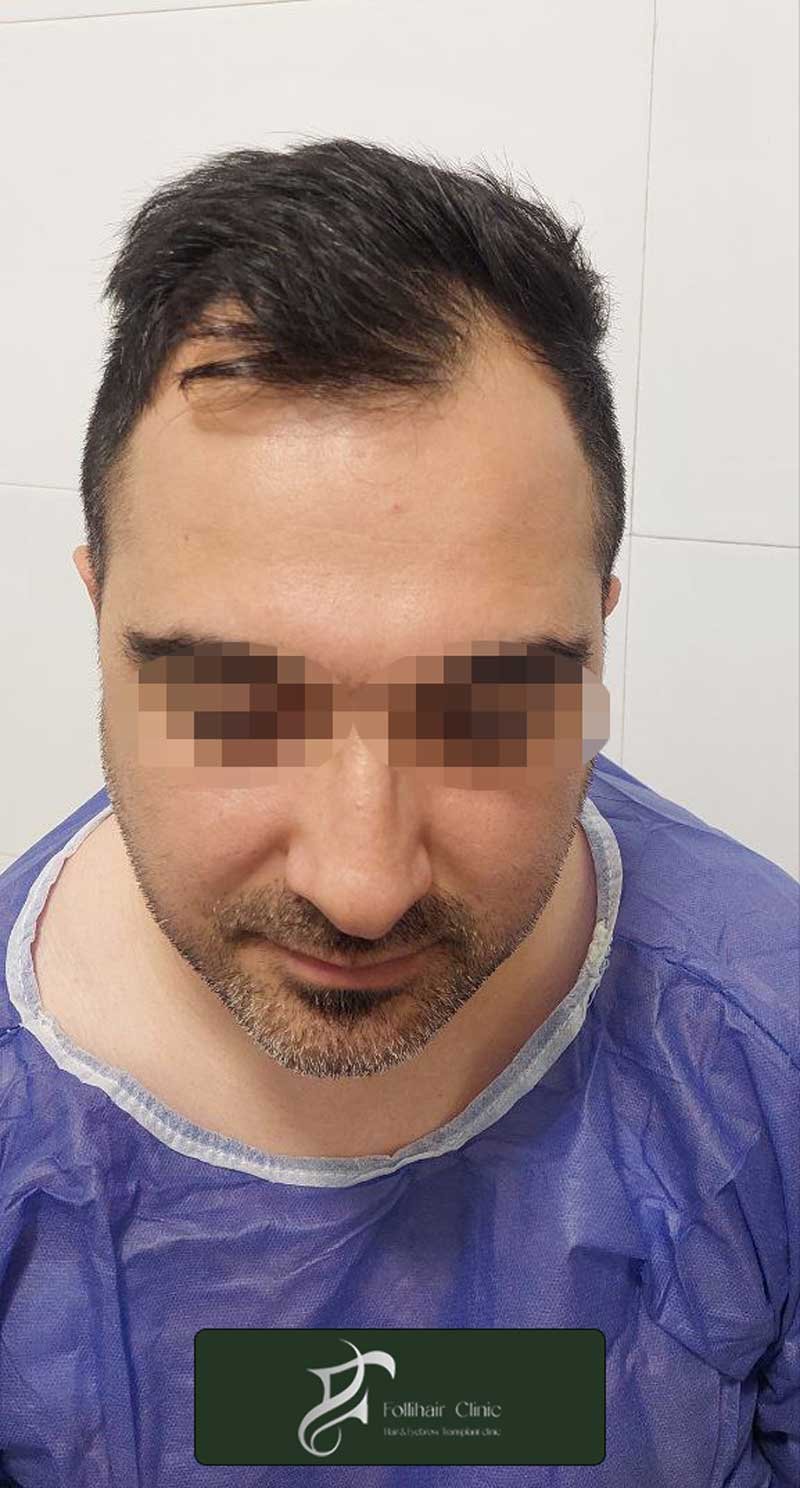
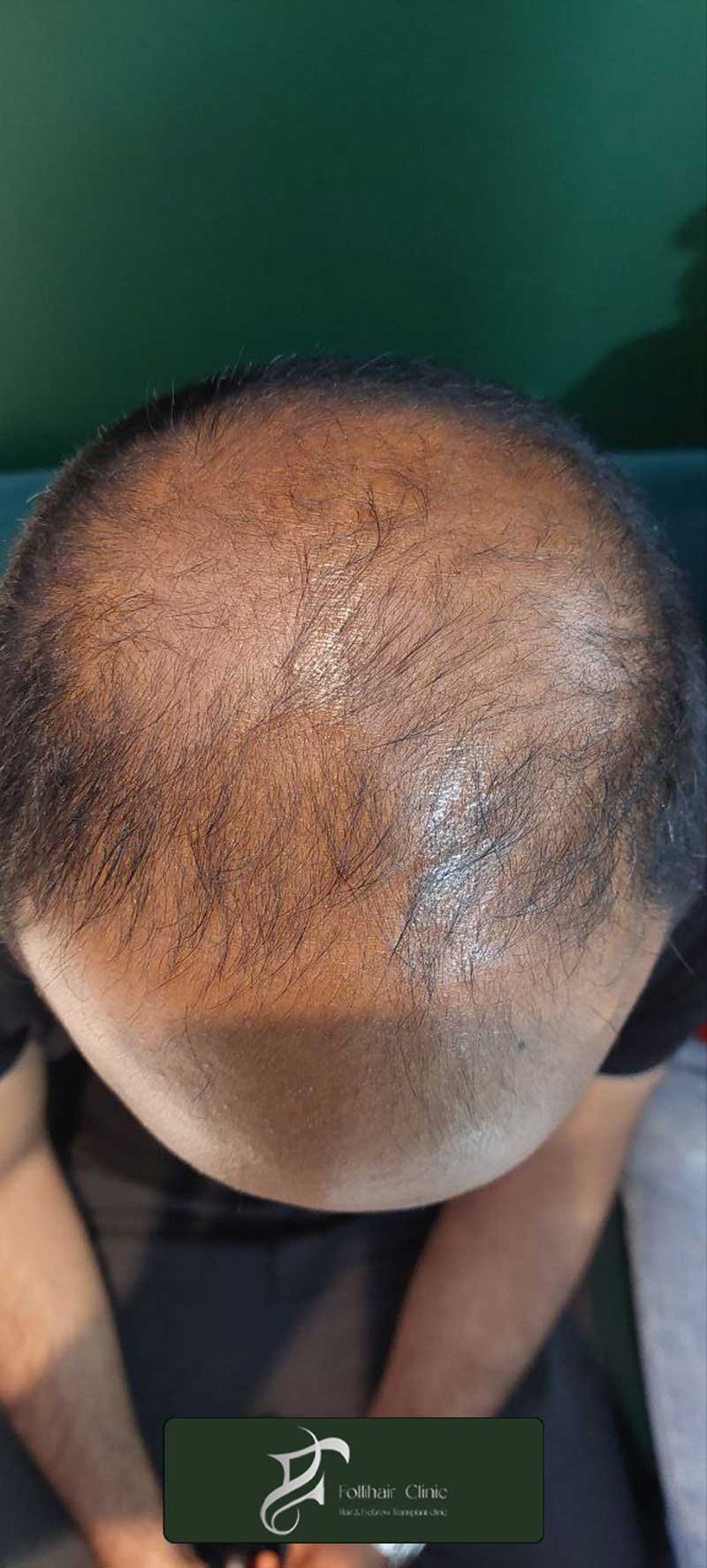
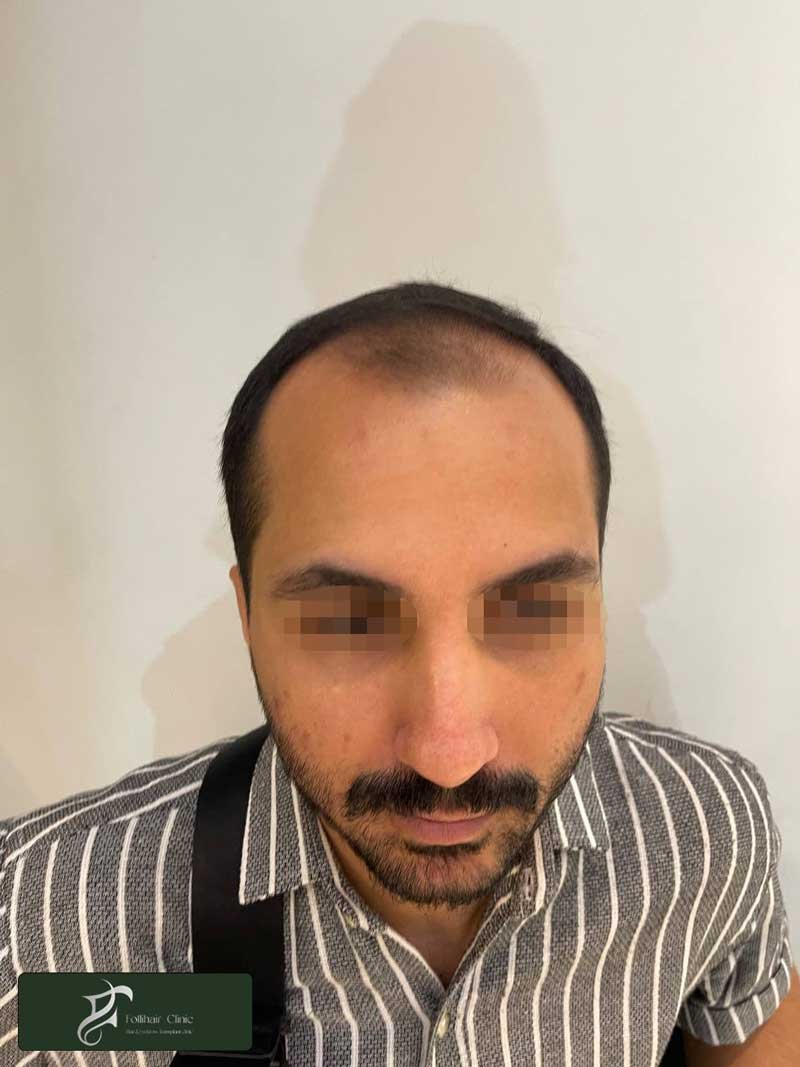
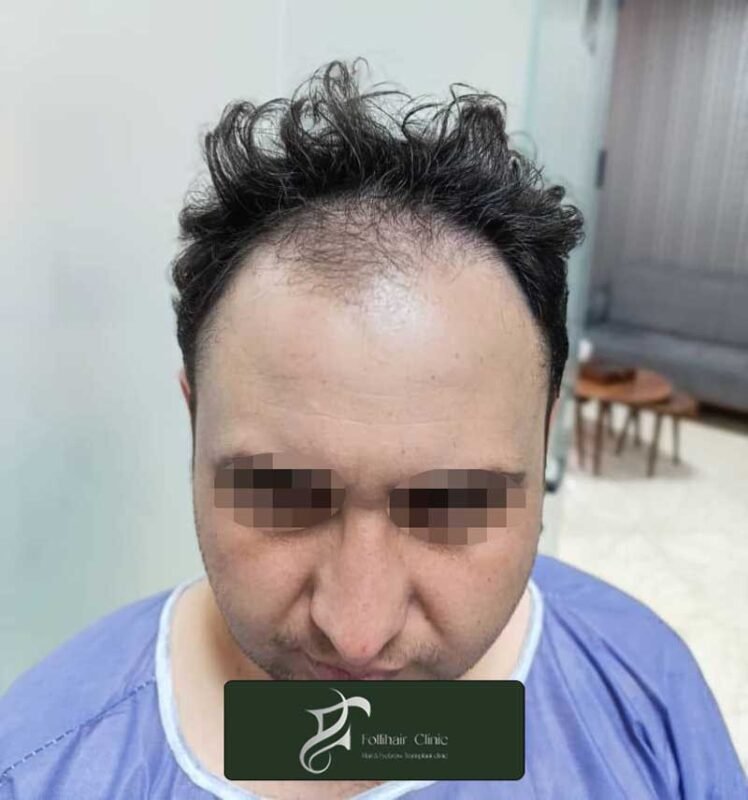
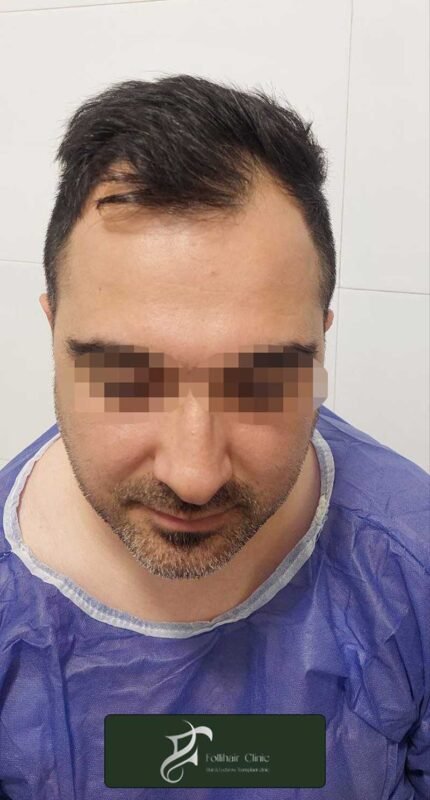
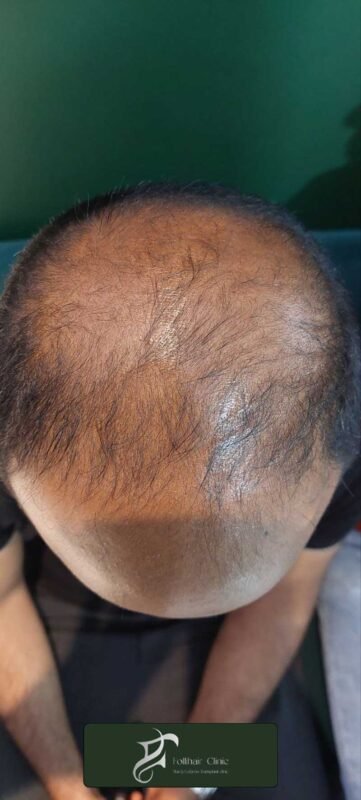
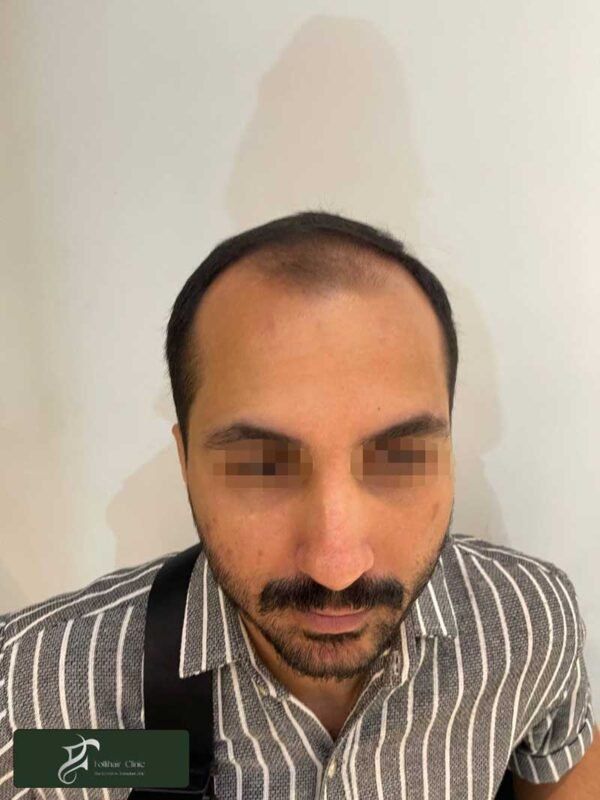
The procedure is performed to improve the density and coverage of thinning areas. Placement of follicles follows the direction of existing growth patterns. Outcomes differ for each person and are reviewed during consultation.
Long-Term Considerations
Transplanted hairs may continue to grow in their new location. The degree of growth varies, and some people may require more than one session depending on their individual response.
Techniques Used
Procedures such as Follicular Unit Extraction (FUE) or Direct Hair Implantation (DHI) are offered. These are established microsurgical techniques that involve removing individual follicles and placing them into selected areas.
Individualised Care
Each person’s hair loss pattern and goals are different. Treatment planning is tailored after consultation to align with individual needs and expectations.
Aftercare
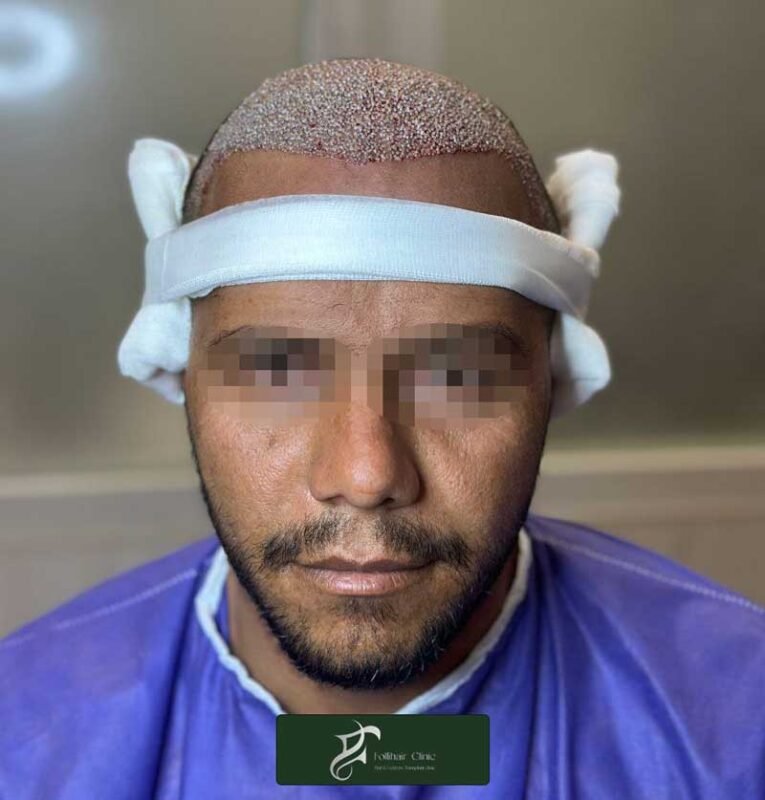
Following the procedure, patients are provided with written aftercare instructions and scheduled follow-up visits. This helps support healing and allows the clinician to monitor progress.
Start Your Journey Today
At Follihair Clinic, we believe that every treatment begins with the right guidance. That’s why we offer a FREE consultation to help you understand the best solution for your hair loss. Book your appointment today and take the first step toward regaining your confidence.
The Hair Transplant Process
01
Consultation
The process begins with a consultation where your clinician reviews your medical history, examines your hair loss pattern, and discusses possible treatment options. Suitability and expected outcomes are explained at this stage.
02
Preparation and Planning
Before the procedure, the donor and recipient areas are prepared. The placement of follicles is planned in line with your individual pattern of hair loss and treatment goals.
03
Hair Extraction and Placement
Hair follicles are taken from the donor area (commonly the scalp) using techniques such as Follicular Unit Extraction (FUE) or Follicular Unit Transplantation (FUT). These follicles are then placed into the areas of thinning or loss.
04
Recovery and Aftercare
After the procedure, patients are provided with aftercare instructions to support healing. Follow-up appointments are scheduled to review progress. Outcomes vary between individuals.
Our Portfoli
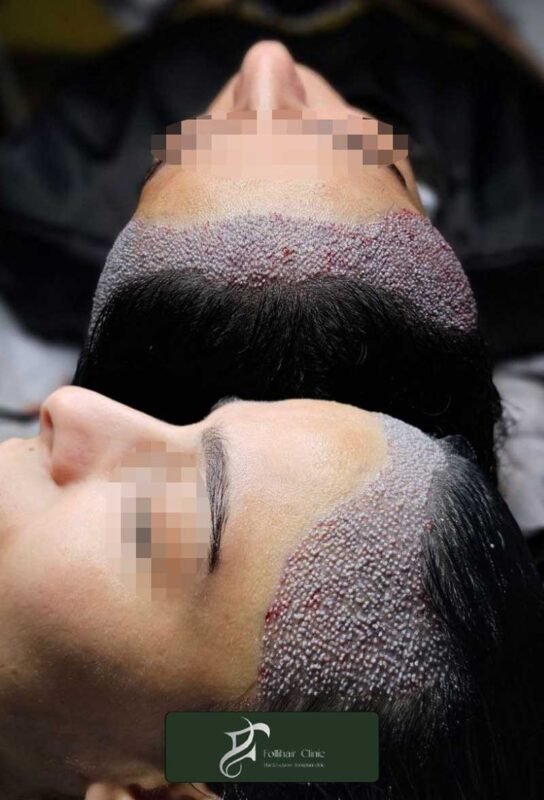
- Hair Transplant
- Hair Transplant
- Hair Transplant
- Hair Transplant
- Hair Transplant
Load more projects
Loading...
Other Services

Eyebrow Transplant

Hair Loss Treatments

Hair Transplant

Laser Hair Removal

Capillary Treatment

ECLADO Korean Facial Treatments

FACIAL MICRONEEDLING

Laser Genesis

Pigmentation & Melasma Treatments

Treating rosacea and active acne

Vitamin Infusion & IV Therapy

Filler and Botox injections


FAQ
1. Is a hair transplant permanent?
Yes, hair transplants use your own healthy follicles, which continue to grow naturally for a lifetime with proper care.
2. Does the procedure hurt?
The treatment is performed under local anesthesia, so you won’t feel pain during the procedure. Mild discomfort may occur afterward, but it is manageable with medication.
3. How long does the procedure take?
Depending on the number of grafts, the procedure usually takes between 4 to 8 hours in a single day.
4. When will I see the final results?
New hair growth typically begins around 3–4 months after the procedure, with full results visible within 9–12 months.
5. Are the results natural-looking?
Yes. Our specialists use advanced techniques to match the angle, direction, and density of your natural hair, making the results virtually undetectable.
6. Am I a good candidate for hair transplant?
If you have sufficient healthy donor hair and good overall health, you are likely a suitable candidate. A consultation helps determine eligibility.
7. How much does a hair transplant cost?
The cost varies depending on the technique used and the number of grafts required. During consultation, we provide a detailed, personalized estimate.
8. Is there downtime after the procedure?
Most patients return to work within a few days. Some swelling or redness may occur but typically fades within a week.