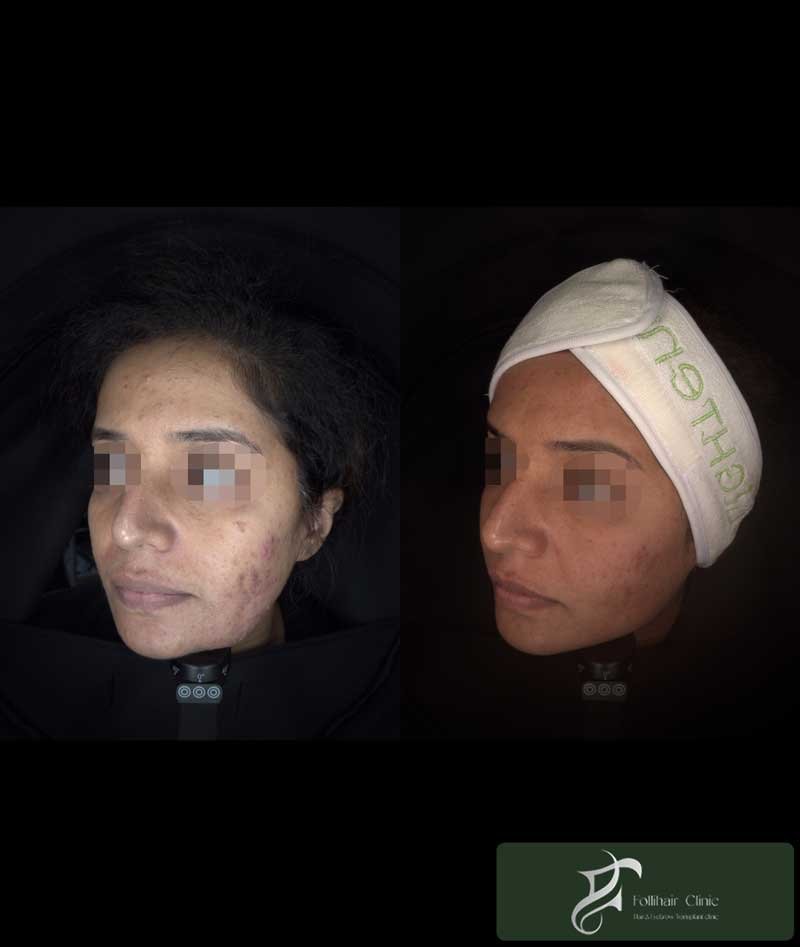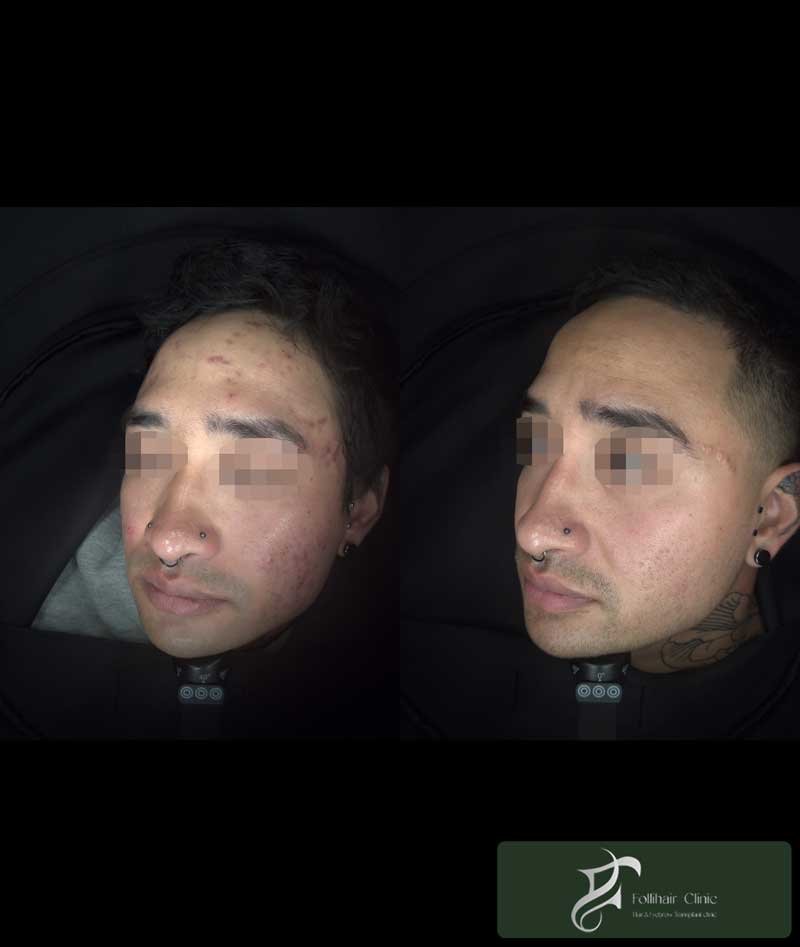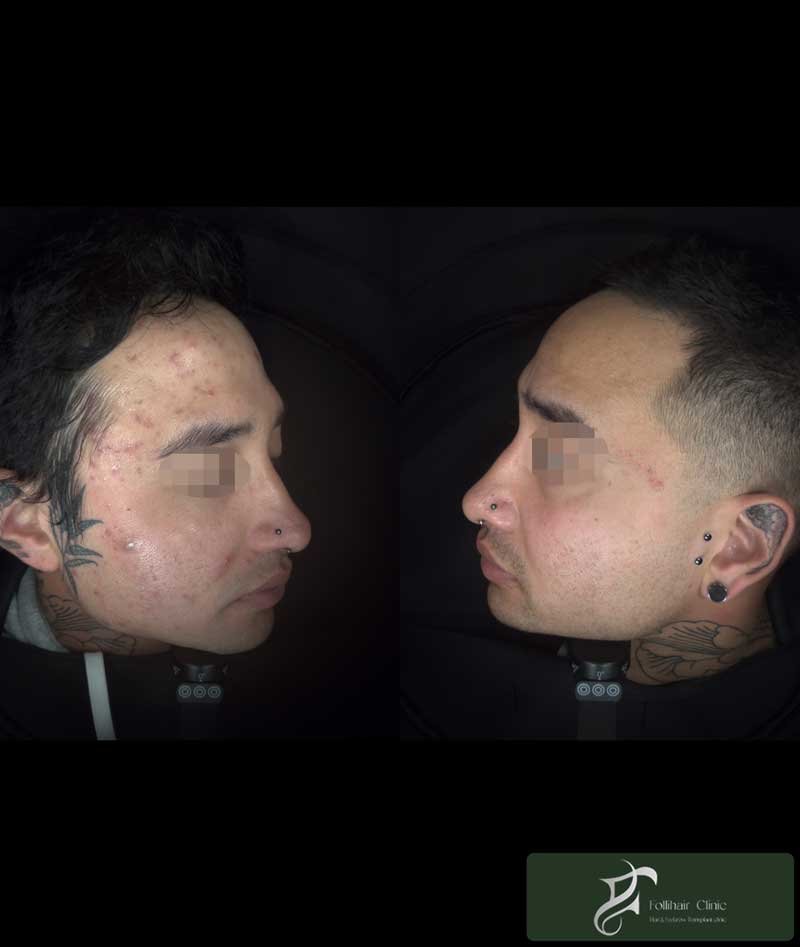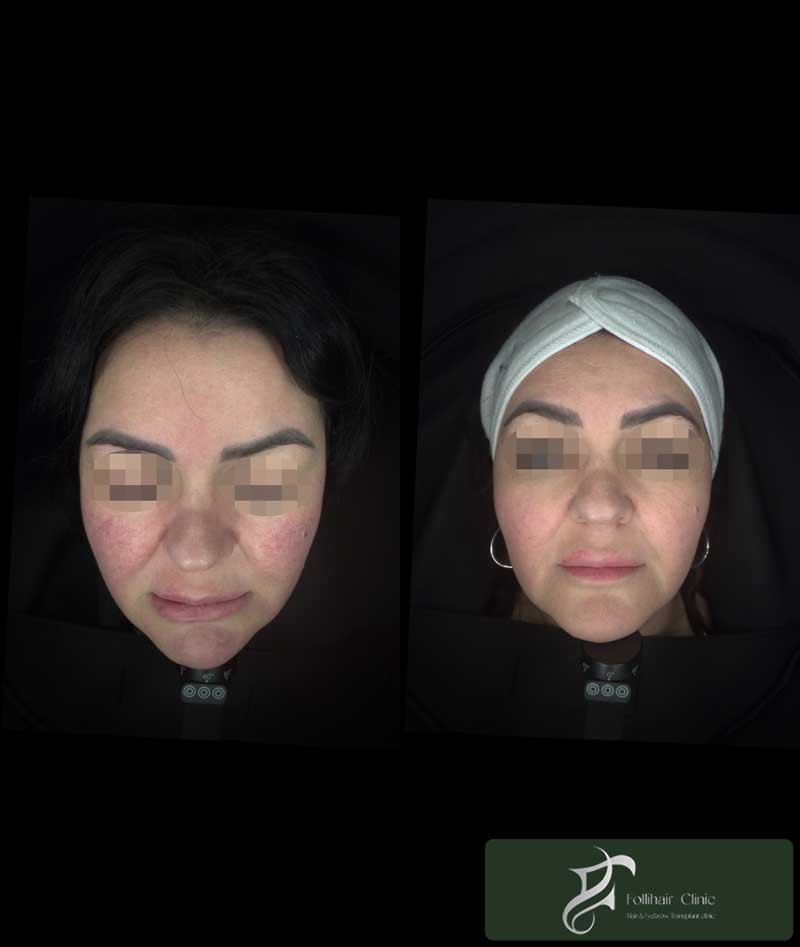

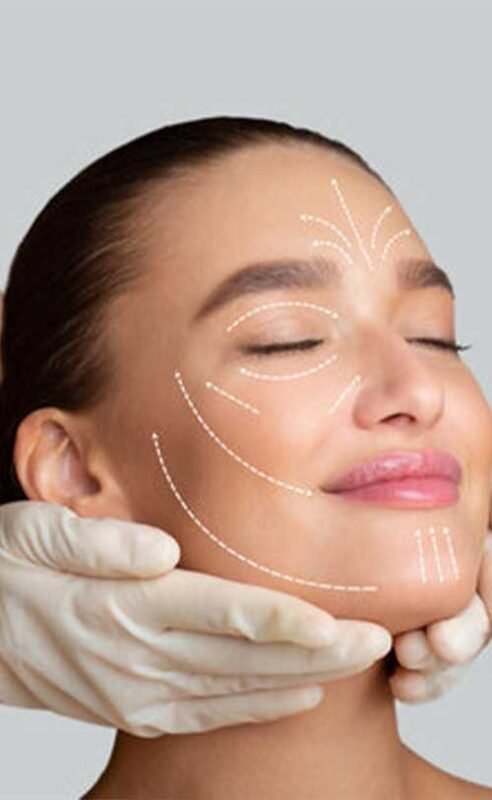
WHAT IS FACIAL MICRONEEDLING?
Facial Microneedling is a minimally invasive skin treatment that uses very fine, sterile needles to create controlled micro-channels in the skin’s surface. This process stimulates the body’s natural healing response, encouraging the production of collagen and elastin, which may help improve overall skin texture and quality.
At Follihairclinic, our clinicians use microneedling techniques designed to support precision and patient comfort. The treatment may be considered for individuals concerned about uneven skin tone, fine lines, enlarged pores, mild scarring, or general skin dullness.
Facial Microneedling is generally well-tolerated, involves little downtime, and can be tailored to individual needs. Over a series of sessions, many clients notice gradual improvements in skin smoothness and appearance.
FEATURES OF FACIAL MICRONEEDLING AT FOLLIHAIRCLINIC
Deep Hydration
Support skin hydration naturally
Facial Microneedling creates controlled micro-channels in the skin, which stimulate the body’s healing response and encourage new collagen production. This process may also support improved skin hydration and texture over time.
Collagen Support
Designed to improve skin texture
By stimulating collagen and elastin production, Facial microneedling may help reduce the appearance of fine lines and contribute to firmer-looking skin.
Tailored Care
Treatment plans for individual needs
At Follihairclinic, every treatment begins with a consultation to discuss your skin concerns and determine if Facial Microneedling is suitable. Treatment plans are then tailored to your individual goals.
Minimally Invasive Procedure
Little downtime
Facial Microneedling is minimally invasive and generally well-tolerated. Most clients are able to return to their usual activities shortly after treatment.
Skin Appearance & Tone
A refreshed look over time
Microneedling may help improve the appearance of uneven skin tone, mild pigmentation, and dullness, supporting a healthier-looking complexion.
Gradual Improvements
Sustained beauty with consistency
A course of sessions may be recommended, as results typically build gradually over time. Individual outcomes vary and will be discussed during your consultation.
Your Consultation
At Follihairclinic, we believe every treatment should begin with the right guidance. That’s why we provide an initial consultation to review your concerns, assess your needs, and discuss treatment options.


How Facial Microneedling is Performed
Facial Microneedling at Follihairclinic is a minimally invasive procedure that uses very fine, sterile needles to create controlled micro-channels in the skin. This process stimulates the body’s natural healing response, encouraging collagen production and supporting overall skin texture.
FACIAL MICRONEEDLING IN FOLLIHAIRCLINIC
1. Consultation and Skin Analysis
Your treatment begins with an initial consultation at Follihairclinic, where our clinicians review your skin type, discuss your concerns, and determine if microneedling is suitable. This step helps ensure the treatment plan is tailored to your individual needs.
2. Preparation and Cleansing
Before the procedure, the skin is cleansed to remove impurities. A topical numbing cream may be applied to support comfort during the session.
3. Facial Microneedling Procedure
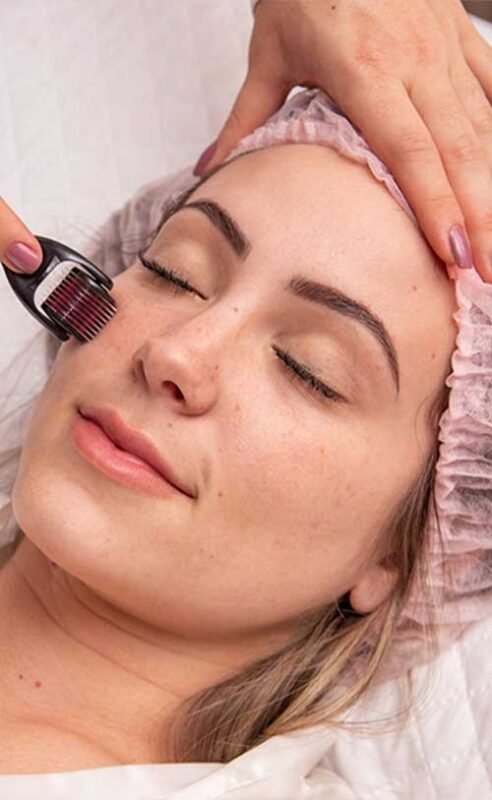
A sterile device with very fine needles is used to create controlled micro-channels in the surface of the skin. This process stimulates the body’s natural healing response and encourages collagen production, which may support improvements in skin texture and tone.
4. Post-Treatment Care
Following treatment, mild redness is common and typically settles within 24–48 hours. Aftercare advice will be provided, which may include avoiding direct sun exposure, using gentle skincare products, and applying sunscreen. Most people are able to return to daily activities shortly after treatment.
Our Portfoli
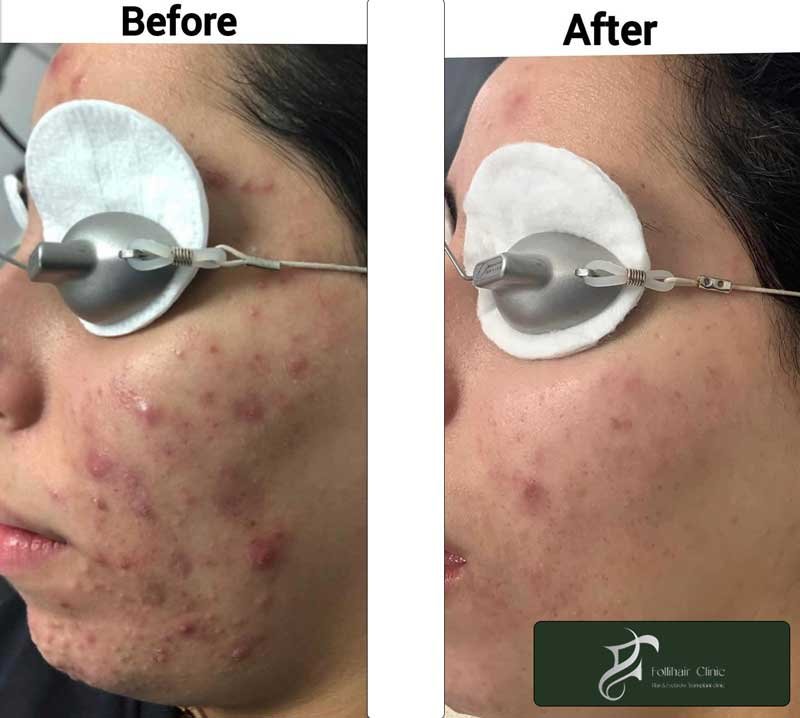
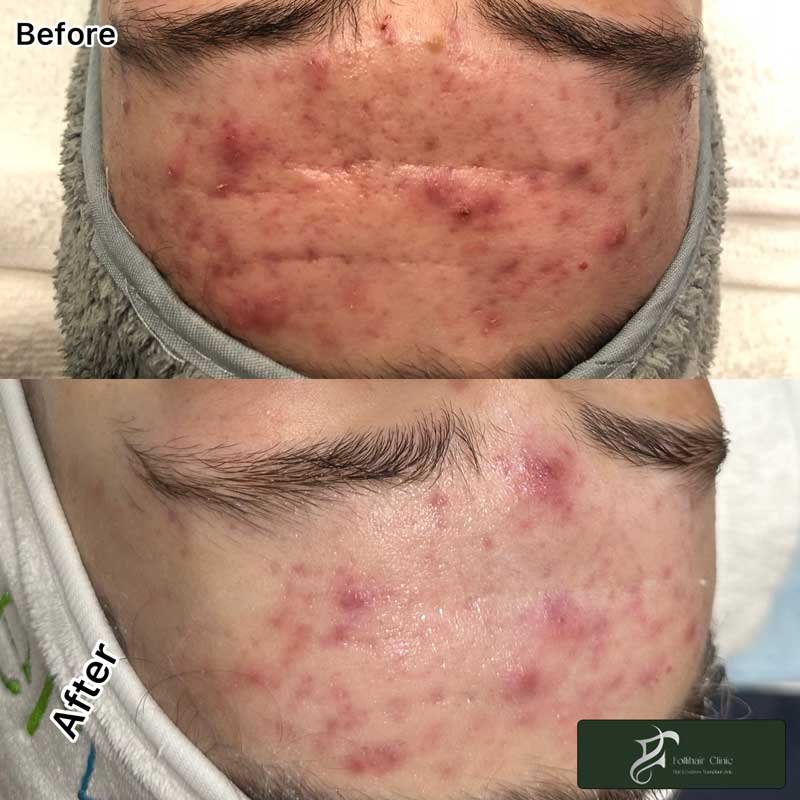
- Treating rosacea and active acne
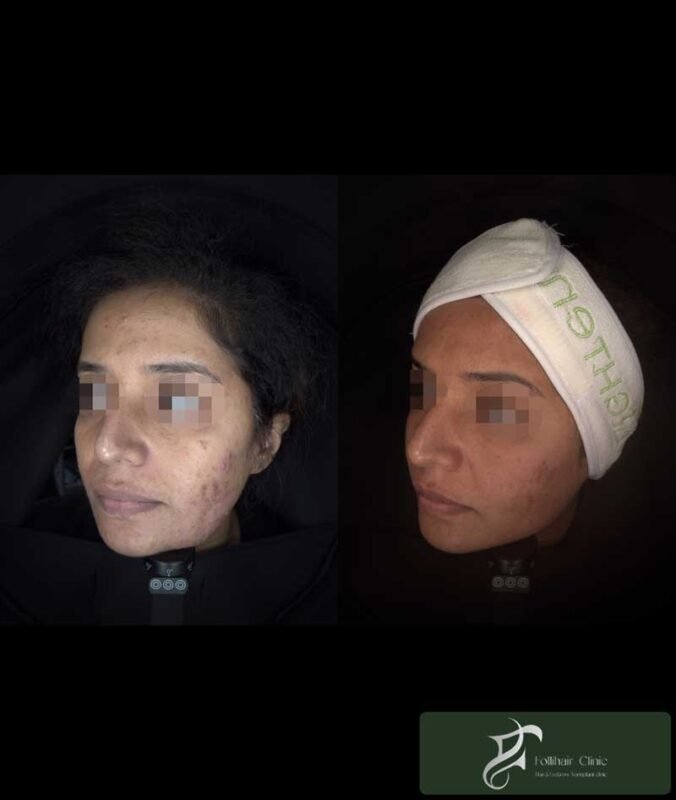
- Treating rosacea and active acne
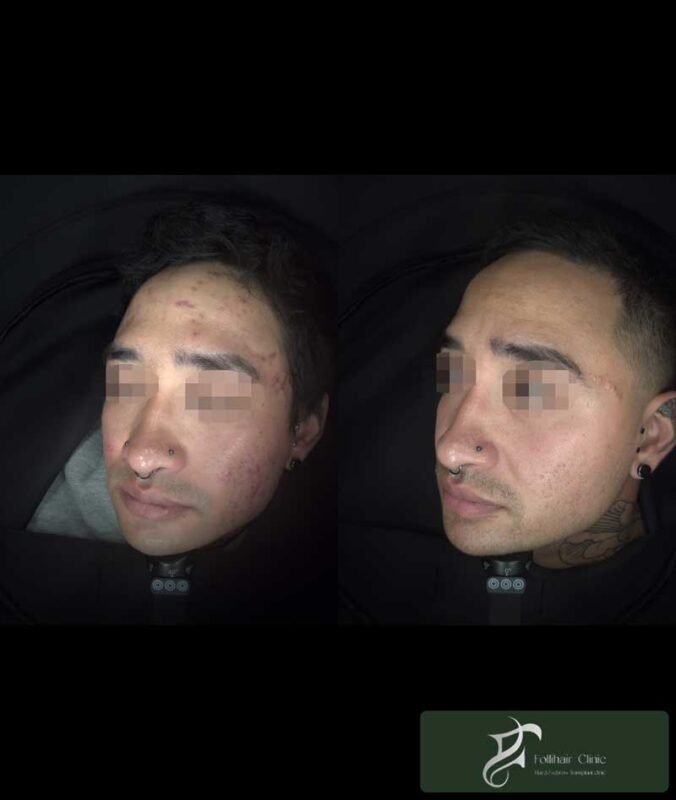
- Treating rosacea and active acne
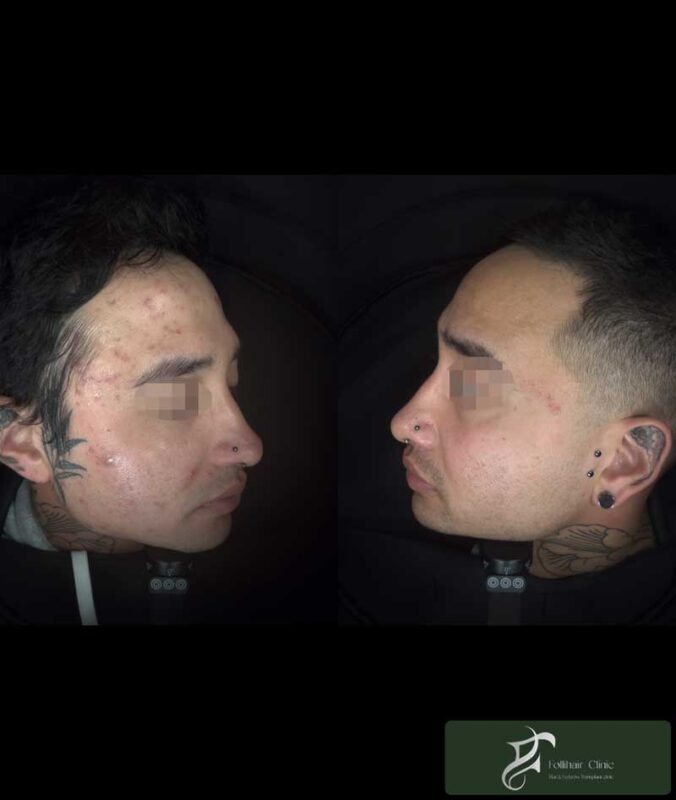
- Treating rosacea and active acne
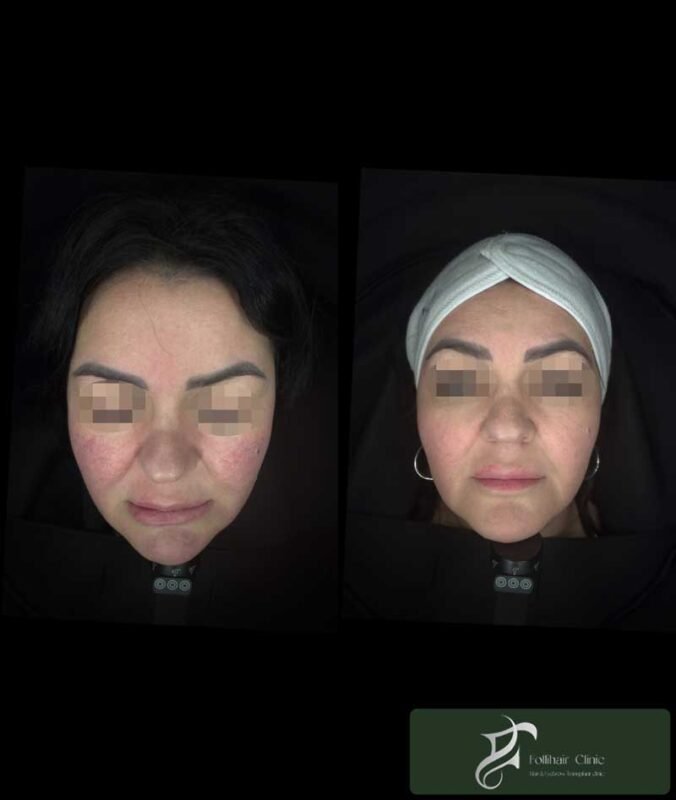
- Treating rosacea and active acne
Load more projects
Loading...
Other Services

Eyebrow Transplant

Hair Loss Treatments

Hair Transplant

Laser Hair Removal

Capillary Treatment

ECLADO Korean Facial Treatments

FACIAL MICRONEEDLING

Laser Genesis

Pigmentation & Melasma Treatments

Treating rosacea and active acne

Vitamin Infusion & IV Therapy

Filler and Botox injections


Frequently Asked Questions – Facial Microneedling
1. What is Facial Microneedling?
Facial microneedling is a minimally invasive procedure that uses very fine, sterile needles to create controlled micro-channels in the skin. This process stimulates the body’s natural healing response, encouraging collagen and elastin production to support skin texture and tone.
2. Is the procedure painful?
Microneedling is generally well-tolerated. A topical numbing cream is often applied beforehand to support comfort. Most people describe the sensation as mild pressure or tingling.
3. How long does the procedure take?
A typical session lasts about 30–45 minutes, depending on the size of the area being treated.
4. How many sessions are needed?
The number of sessions varies depending on individual skin concerns and goals. Some clients may notice improvement after a few treatments, while others may require a series spaced several weeks apart.
5. Is there any downtime after treatment?
Most people can return to normal activities shortly after the procedure. Mild redness or sensitivity is common and usually settles within 24–48 hours.
6. Who is a suitable candidate for Facial Microneedling?
Microneedling may be suitable for individuals with concerns such as uneven skin tone, fine lines, enlarged pores, mild acne scarring, or dullness. A consultation is required to determine suitability.
7. When will I notice improvements?
Some people feel their skin looks refreshed within days. More noticeable improvements in texture and tone usually develop gradually over several sessions as the skin responds to treatment.
8. Are the results permanent?
Results vary between individuals. Because the skin continues to age naturally, ongoing maintenance treatments may be recommended to support longer-term outcomes.