

How to Restore Scalp Health Naturally

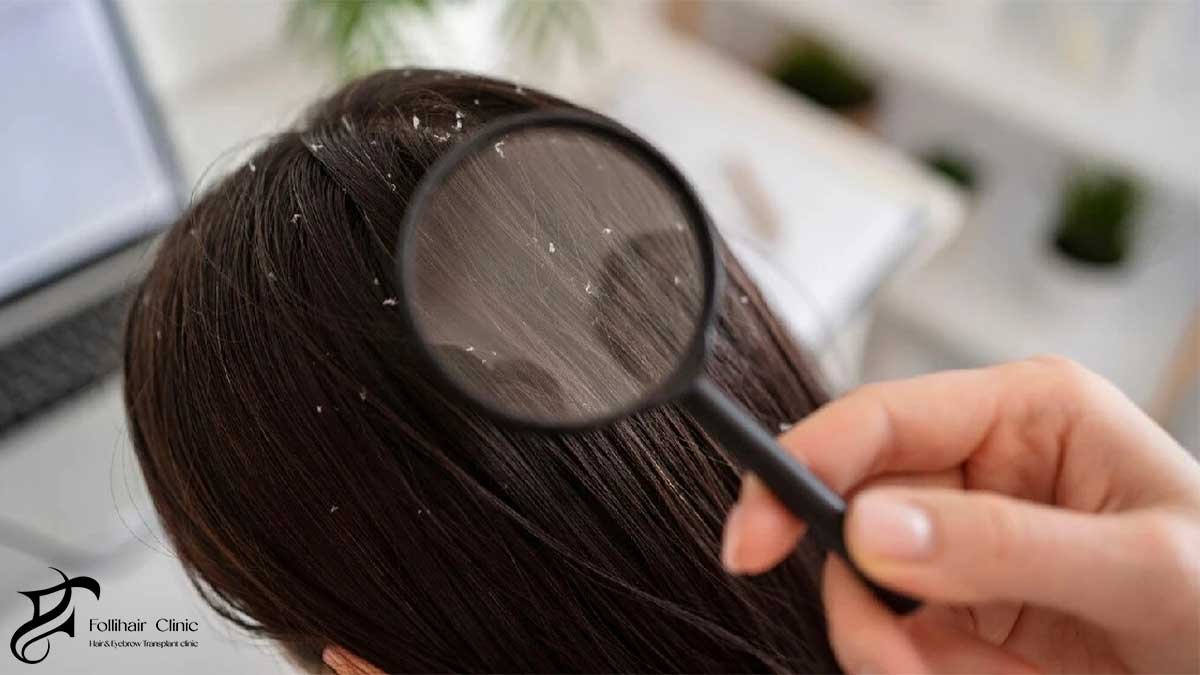
The scalp is living skin with complex biological functions that directly influence hair quality, growth cycles, and overall comfort. When its balance is disrupted, symptoms such as itching, excessive oiliness, dryness, inflammation, or shedding often follow. Learning how to restore scalp health requires more than surface-level care; it involves understanding internal factors, external stressors, and evidence-based strategies that support long-term recovery rather than short-term masking.
A healthy scalp environment supports proper follicle function, stable hair cycles, and improved resilience against common triggers that contribute to hair concerns over time.
Understanding the Role of the Scalp in Hair Health
The scalp functions as a protective and regulatory layer, housing hair follicles, sebaceous glands, blood vessels, and nerve endings. Its primary role is to maintain an optimal environment for hair growth while protecting underlying structures from environmental exposure.
When this balance is compromised, the scalp may produce excess oil, become overly dry, or develop inflammatory responses. These changes can interfere with nutrient delivery and follicle activity, making it difficult to restore scalp health without addressing root causes rather than symptoms alone.
Common Signs of an Unhealthy Scalp
Scalp imbalance does not always present as visible hair loss. Early signs often include persistent tightness, flaking, sensitivity, or inconsistent oil production. Over time, these issues may coincide with increased shedding or changes in hair texture.
Recognising early signals allows individuals to adjust habits before more complex interventions become necessary. A consistent scalp care routine can often stabilise these early changes when implemented correctly.
The Biological Factors That Affect Scalp Balance
Hormonal fluctuations, immune responses, and genetic predisposition all influence scalp condition. Stress-related hormonal changes may alter sebum production, while inflammatory responses can disrupt follicle function.
These internal influences explain why topical products alone may not fully restore scalp health when deeper biological factors are involved. Addressing scalp wellness often requires a combination of lifestyle awareness and professional guidance.
External Triggers That Disrupt Scalp Health
Environmental pollution, frequent heat styling, harsh chemical products, and excessive washing can weaken the scalp’s protective barrier. Over time, this leads to dehydration, sensitivity, and micro-inflammation.
Reducing exposure to aggressive styling practices and selecting products that respect the scalp’s natural pH are foundational steps in rebuilding resilience and restoring balance.
The Importance of Cleansing Without Over-Stripping
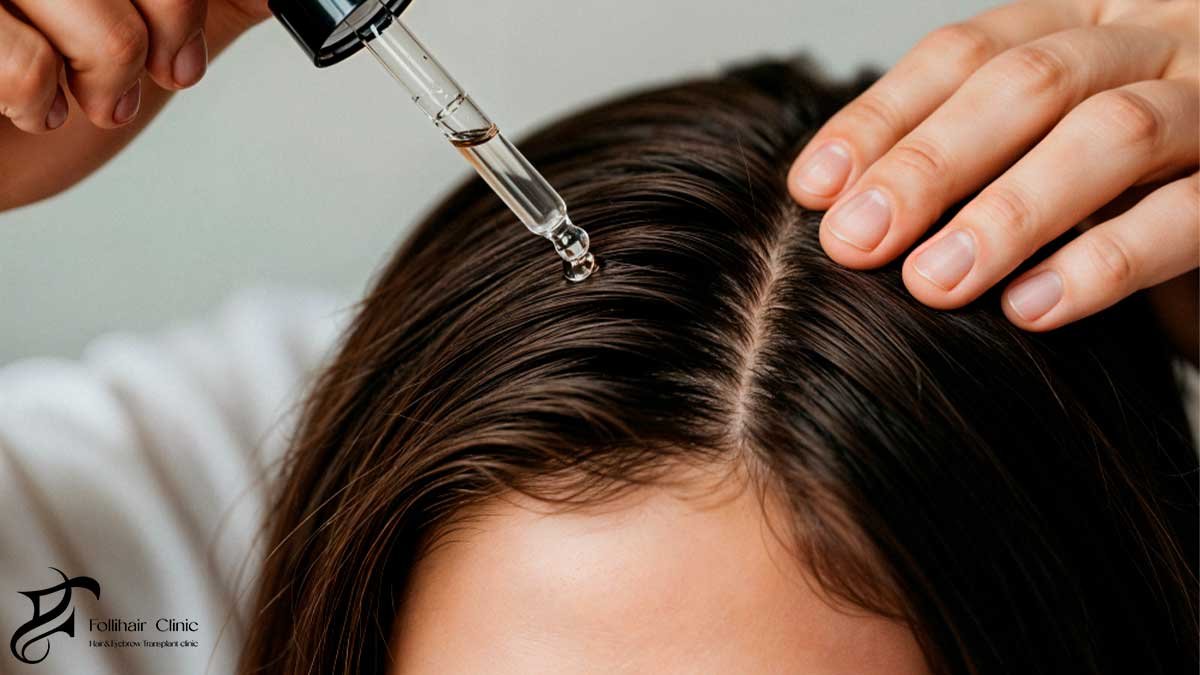
Cleansing is essential, but excessive or aggressive washing can strip natural oils that protect the scalp. This often triggers rebound oil production or chronic dryness.
A balanced approach to cleansing supports restore scalp health by maintaining microbial harmony rather than eliminating beneficial oils entirely. Frequency should be guided by individual scalp type rather than habit alone.
Nutrition and Circulation in Scalp Recovery
Adequate blood flow is critical for delivering oxygen and nutrients to hair follicles. Poor circulation may slow regenerative processes and contribute to chronic scalp issues.
Nutritional deficiencies, dehydration, and systemic stress can impair this delivery system. In clinical settings, some individuals explore supportive approaches such as Vitamin Infusion & IV Therapy to address underlying nutritional gaps that may influence scalp vitality.
Inflammation and Its Impact on Hair Follicles
Low-grade inflammation is a common but often overlooked factor in scalp disorders. It can exist without pain or visible redness while still interfering with follicle activity.
Managing inflammation through gentle care, stress regulation, and professional evaluation is essential when the goal is to restore scalp health sustainably rather than temporarily suppress symptoms.
Understanding Shedding Versus Hair Loss
Temporary shedding often reflects changes in scalp environment rather than permanent follicle damage. Differentiating between reversible shedding and progressive hair loss is critical for appropriate care decisions.
Educational discussions around The Hidden Reasons Behind Hair Loss often highlight scalp health as a foundational factor influencing long-term hair outcomes.
When At-Home Care Is Not Enough
While a consistent scalp care routine supports maintenance, persistent symptoms may indicate deeper concerns requiring clinical assessment. Conditions affecting follicle integrity or long-term density may need professional evaluation.
In such cases, individuals may explore broader Hair Loss Treatments that address both scalp condition and follicle behaviour without assuming that invasive procedures are always necessary.
Clinical Interventions and Scalp Support
Clinical approaches aim to create optimal conditions for follicle function rather than making cosmetic promises. These interventions focus on assessment, education, and gradual improvement rather than immediate transformation.
In advanced cases where follicles are no longer viable, procedures such as Hair Transplant may be discussed, though scalp preparation and health optimisation remain essential even in these contexts.
Lifestyle Adjustments That Support Scalp Recovery
Sleep quality, hydration, stress management, and physical activity all influence inflammatory responses and circulation. These factors indirectly shape scalp condition over time.
Small, consistent lifestyle adjustments often play a larger role in restoring balance than short-term product changes alone.
Maintaining Results Over Time
Restoring balance is not a one-time process. Long-term scalp wellness requires maintenance, awareness of triggers, and periodic reassessment.
By understanding individual scalp responses and adjusting care accordingly, many people find it easier to restore scalp health and preserve results over the long term without over-intervention.
Final Thoughts on Scalp Health Restoration
A healthy scalp provides the foundation for strong, resilient hair and long-term comfort. Addressing both internal and external influences allows for meaningful improvement rather than superficial change.
For individuals seeking evidence-based guidance and educational support around scalp and hair wellness, resources available through clinics such as follihairclinic can assist in informed decision-making alongside qualified health professionals.